‘Shameful,’ ‘not safe,’ ‘a nightmare’: Afghans in Idaho shaken as Taliban fill U.S. void
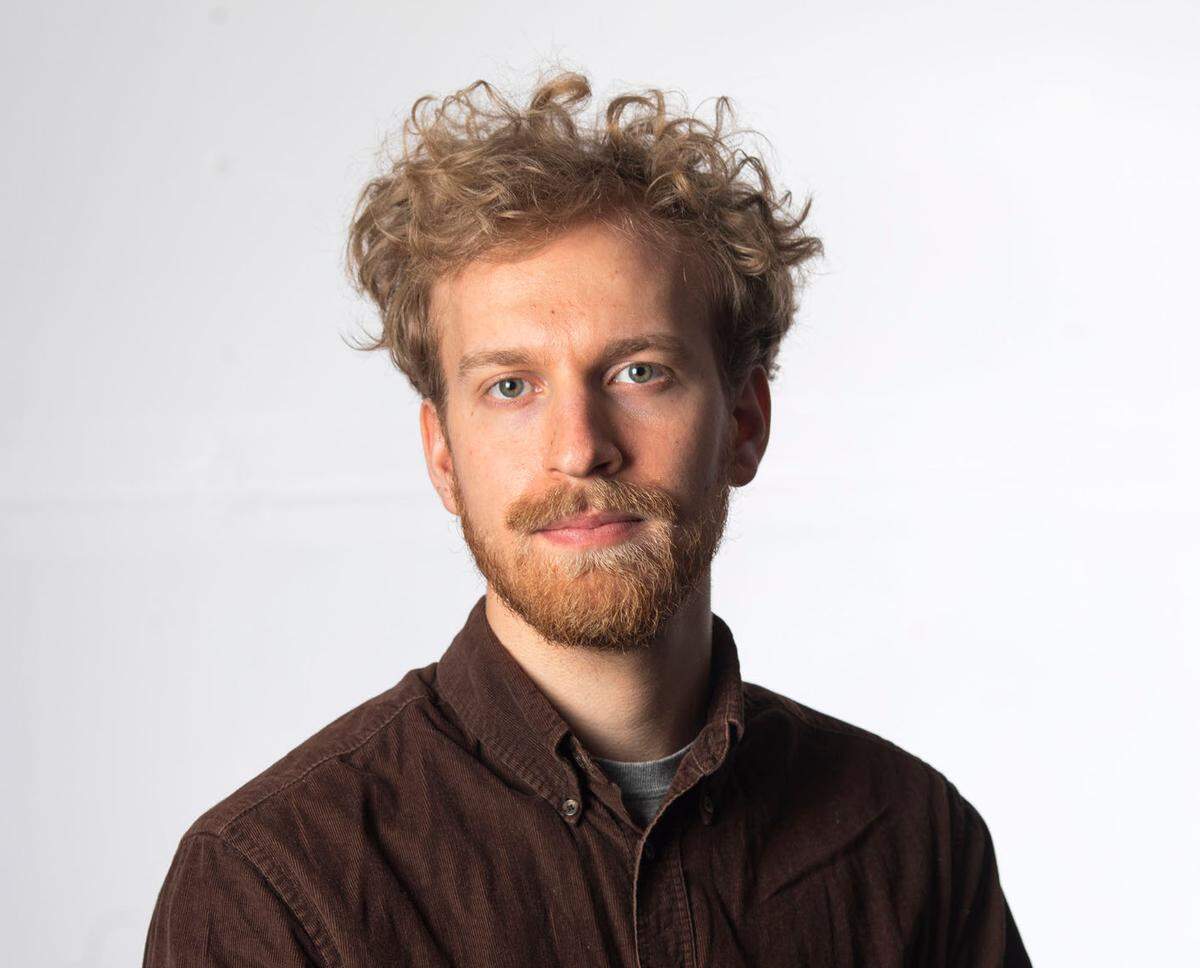
Muhammad Jan Salehi’s family left Afghanistan in the early 1990s, fleeing a war-torn country beset by years of factional conflict between rival Islamist groups.
Salehi was not yet 2 years old when his family fled and — like many in their situation — settled in Pakistan, where he was raised and lived until 2010.
In the intervening years, the George W. Bush administration invaded Afghanistan in 2001 after the nation’s rulers, the Taliban, refused to hand over members of the Osama bin Laden-led terrorist group al Qaeda, who were responsible for the attacks on America the morning of Sept. 11, 2001.
The Taliban disintegrated with the approach of U.S. forces, but the intervention led to a two-decade American military campaign. Successive presidents have vowed to end the country’s “forever war.” In April, following through after a deal the Trump administration struck with the Taliban in early 2020, President Joe Biden promised that all troops would be removed from Afghanistan by the approaching 20th anniversary of 9/11.
That agreement from 2020 had an escape clause for U.S. troops to stay in Afghanistan if Afghan peace talks failed, which they ultimately did. But Biden stuck by the withdrawal, delaying it by a few months.
This month, as the clock ticked down on the September deadline, America’s longest conflict came to an abrupt denouement as resurgent Taliban fighters swept across the country in the wake of departing American forces, setting the stage for a messy, bloody U.S. exit.
Interviews with Salehi and multiple other refugees from Afghanistan now living in Idaho — who witnessed years of Taliban brutality or even worked with the U.S. military — reveal a mix of emotions: anger at what feels like U.S. abandonment; despair at the sight of a revived Taliban; and fear for loved ones caught in the events back home.
“The U.S. is leaving in a very bad time. I wish they could stay there,” Salehi told the Idaho Statesman, fighting back tears. “Women’s lives are totally in danger, and those who are working with (the Afghan government), they torture them a lot.”
Going back to Afghanistan, only to be targeted
Salehi’s family is Hazara, a minority ethnic group in Afghanistan that faced persecution and even instances of mass killing under Taliban rule, according to Human Rights Watch. In 2010, he moved to Afghanistan to work as a field monitor for a United Nations food-assistance program. Throughout the country, Salehi said he distributed rations — wheat, oil, salt, beans and other goods — and visited communities to encourage residents to send their daughters to school.
In 2013, while traveling through a province in eastern Afghanistan, near Kabul, Salehi said he was kidnapped and tortured by the Taliban. Three days later, he said he woke up in a hospital.
“If you were working with (nongovernmental organizations) or any (foreign) military, then you were taking a risk,” Salehi said.
After he was attacked, Salehi’s mother made him move back to Pakistan, where he applied for refugee status with the United Nations. His case was approved in 2016, but Salehi said President Donald Trump’s curtailed refugee policy slowed down his arrival to the U.S., and he and some family members didn’t arrive in Idaho until 2018.
Now 30, he lives in Boise with his brother, mother and sister, and is a case manager at the Agency for New Americans, one of three nonprofits in Boise that work to resettle refugees in Idaho. Salehi’s wife and 4-year-old son still live in Pakistan, and they await Salehi’s application for sponsorship to be processed.
Watching chaos engulf his native country this month, Salehi said he fears for family he still has in Afghanistan. On Friday, he had not heard from an aunt who lives in Kabul in a week.
“Every day we were receiving bad news that the Taliban is close to Kabul,” he said. Salehi said he told his aunt: “If possible, get to Pakistan. At least you will be alive.”
Another of his relatives, a cousin who was a soldier in the Afghan National Army, was defending a military base in Kunduz earlier this month when the Taliban closed in. His cousin was killed, Salehi said.
“Right now the Taliban is saying we will not do anything (to civilians),” Salehi said. “They just want to build a trust between the civilians so that they should take everything easily in their hands. Once they do, I am sure they will do really, really bad things with (civilians) … I know what they are.”
‘How many others won’t survive’ the Taliban?
For Yasmin Aguilar, the news reports and violent images on TV from her home nation over the past week triggered trauma from more than two decades ago, when she also fled the region as extremists took control.
Aguilar, 50, said she initially escaped Afghanistan with family to the Pakistan border in 1992. The mujahideen rebels who successfully forced the Soviets out of the country, with U.S. help, had risen to power. While at the border, she said she worked for years as a physician and community health coordinator in the area’s refugee clinics with Mercy Corps, a nongovernmental organization focused on international humanitarian efforts.
As she moved around the region training others in preventative care for fellow refugees, Aguilar (whose maiden name is Hamidi) said she posed as Pakistani for safety reasons. Quickly, Afghan women’s ability to work, obtain an education and travel was restricted under the regime, which had by that time evolved into the Taliban.
Nonetheless, violence found her, and Aguilar said she was twice attacked, including a kidnapping. That led her to seek an American visa, which after several years was granted, and she arrived in Boise in the fall of 2000.
“I cannot imagine what people are going through now, especially if they have small children and have seniors with you,” Aguilar said in a phone interview. “It’s really not an easy situation. If you don’t experience something, then you don’t know about it. I was lucky I survived. How many others won’t survive?”
Today, Aguilar works as an immigration specialist with the Agency for New Americans, continuing work with refugees.
Idaho began accepting refugees in 1975 to help provide a safe haven for those leaving their war-ridden nations. Of the almost 12,500 who have resettled in Idaho from 2000 through 2020, primarily in Boise and Twin Falls, about 850, or roughly 7%, are Afghan, according to the Idaho Office for Refugees, a nonprofit. That total ranks Afghanistan at No. 6 among the countries of origin for refugees in the state, with 26 arriving in Idaho just this year. Two more on special immigration visas reserved for Afghans who worked on behalf of the U.S. government will arrive soon, according to the IOR.
“We don’t want anything for free. We’re not on public assistance. The majority of us support back the country that gave us safety,” Aguilar said. “I don’t know all of the politics behind it, but it’s really shameful when we don’t support Afghans in this moment. Afghans’ lives should matter, too. We need to remove the political hat and put on the humanitarian hat.”
Neither Idaho U.S. senator — Republicans Mike Crapo and Jim Risch — was among the 46 senators who signed a letter last week calling on the Biden administration to ensure that it protects female Afghan leaders as the last of American forces and diplomatic personnel depart. The signees included three Republicans and 16 of the Senate’s 24 women, as well as Bob Menendez, D-New Jersey, chair of the Senate Foreign Relations Committee.
Risch, who is No. 2 on the Senate Foreign Relations Committee as its ranking member, was unavailable for an interview, a member of his communications staff said. But in a written statement, Risch chastised the Biden administration for what he labeled a “rushed and political decision to withdraw” that also “failed to guarantee America’s safety.”
“President Biden is not the first president to move toward an exit in Afghanistan, but he is the first to do so without any clear plan to protect our interests, our citizens, and our closest friends,” Risch said. “We must do more, and do better, at helping our Afghan friends who desperately need our help, after having served alongside us all of these years. The people of Afghanistan, and especially the women and children, do not deserve the return to brutal oppression that will come with Taliban rule.”
‘I feel like I’m in Afghanistan’ when watching the news
At a cafe on West Fairview Avenue in Boise, four Afghan sisters await daily updates from their elder sibling, who still lives in Kabul. A physician at a hospital, she has stopped going to work since the Taliban entered the city, fearful of reprisals against women.
The four sisters, along with their mother and father, came to the U.S. as refugees after fleeing the Taliban in the 1990s. The youngest sister, Homeyra Shams, 29, told the Statesman that her father, who died last year, didn’t want his daughters to be raised under Taliban rule, during which young women were commonly forced into marriages, and banned from schools and from the workforce.
“The Taliban at that time … they took the freedom of all women,” Shams said. “My parents were worried about my sisters … so we sold all our belongings and my dad, he arranged something to get out of the country and save us.”
Shams asked that the Statesman not identify her eldest sister by name, for fear it may endanger her.
The family first moved to Iran and then to Turkey, where they applied for refugee status. The oldest sister and her husband were stopped at the Turkish border and turned back, eventually returning to Afghanistan with their daughter. A few years ago, her sister’s husband died, Shams said.
In 2003, the rest of the family made it to the U.S., where they began the slow process of learning English and acclimating to American culture. In 2019, the sisters opened the Sunshine Spice Bakery & Cafe, which serves coffee and Afghan treats.
Watching as events unfolded this month, Shams said she has been dismayed by the Taliban’s blitzkrieg across her native country.
“All people in Afghanistan, they’re all scared because of what happened in 1996,” Shams said. “They know what is going to happen. They left their jobs and they’re just hiding in their houses.”
The year she referenced was the last time the Taliban took control of Afghanistan from Kabul, when they killed the country’s president. The group carried out public executions, and barred women from working and girls from going to school. They issued bans on television and music.
Though she was only 3 years old when her family left, Shams said she feels as if she is reliving the fear of her childhood when she watches the news.
“I’m in the U.S. right now, but I feel like I’m in Afghanistan, because I know the feeling of what it’s like being there when the Taliban is there,” she said. “Wherever you live in your childhood, it always stays with you. That fear does not go away … it’s like a nightmare.”
‘Ones that are left behind’ after helping U.S. military
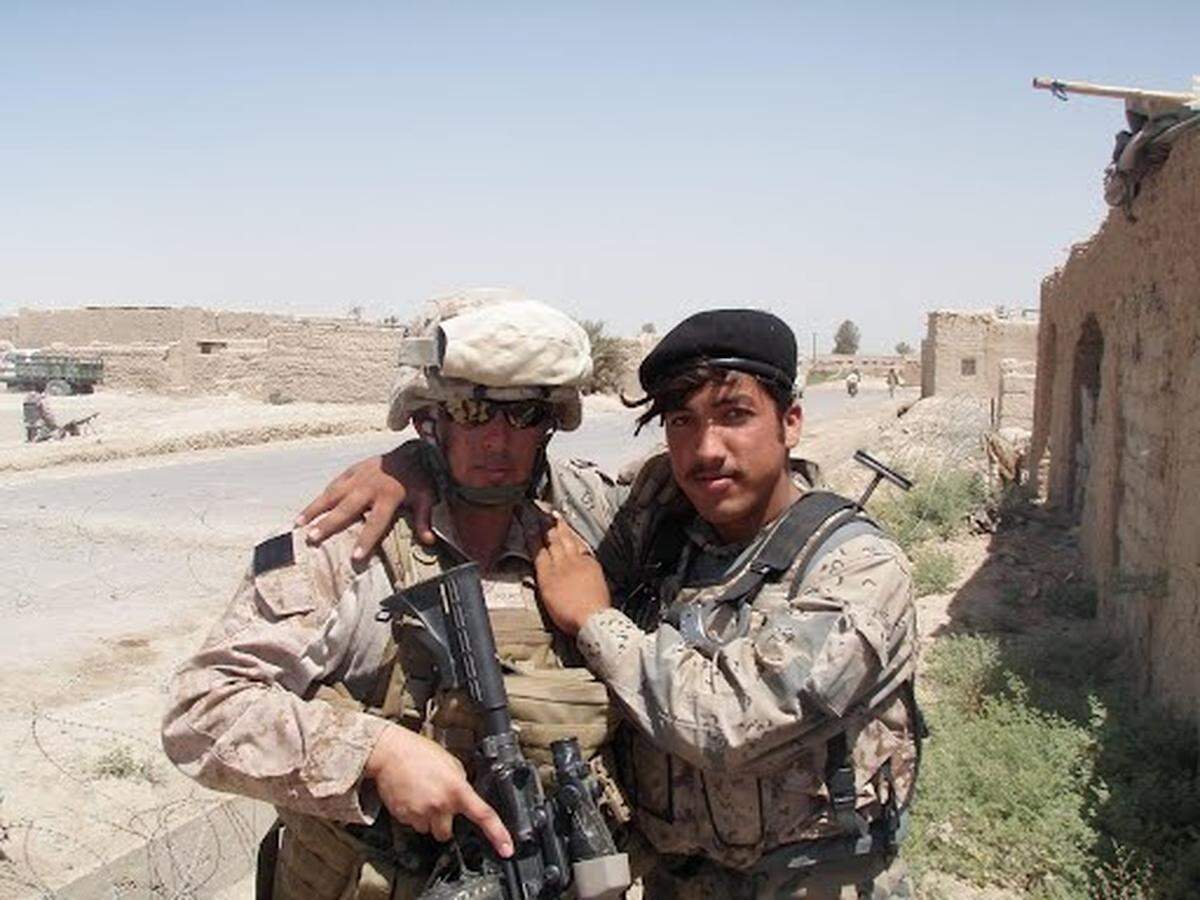
Abdul Wasi Noori was 13 when the U.S. invaded Afghanistan. He lived in Kandahar, a city in the southern part of the mostly dry, mountainous country, and began learning English. He said he took a job in 2005 with the U.S. Marines as an interpreter, and his commute to work was on a perilous route.
“There were a lot of dangers in the way, suicide bombers and ambushes for the people working for U.S. armed forces,” Noori said in a phone interview.
As the U.S. military continues to get its government workers out of the country, there are thousands of Afghans who worked for American and United Nations forces still living there. They could be targets of Taliban revenge.
Much of the focus is on interpreters, hired in droves by the military to help navigate Afghanistan’s diversity of languages.
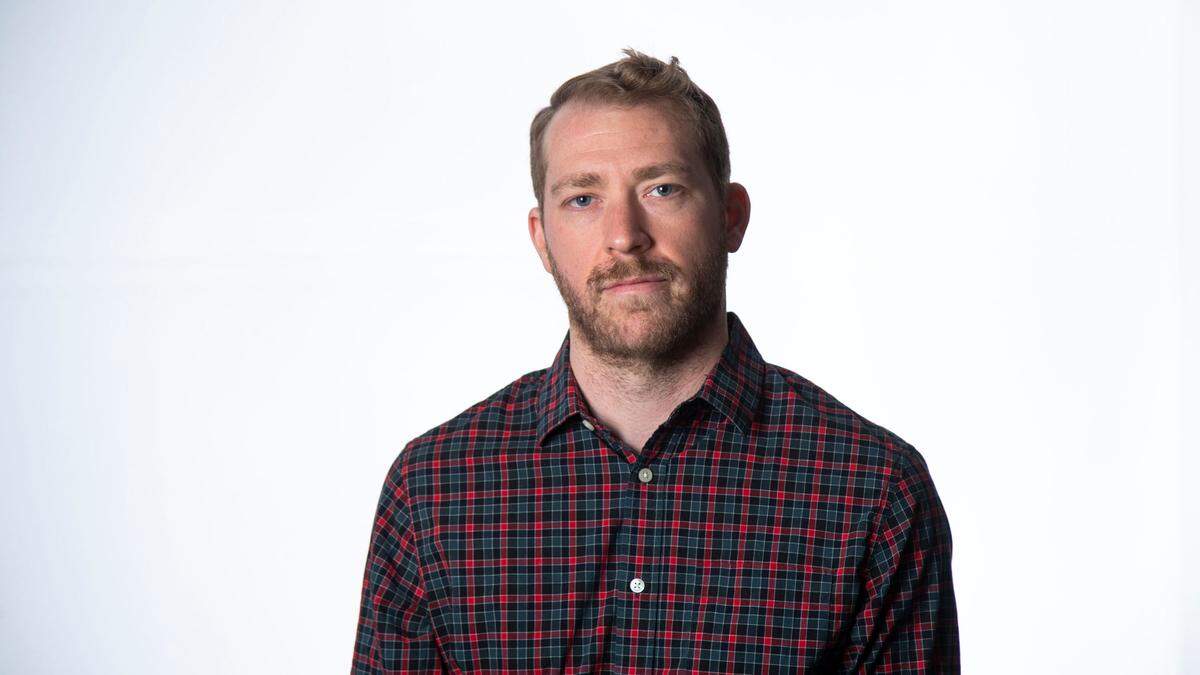
“On the interpreter side, there’s ones that are left behind,” Robert Holmes, a 24-year Marine Corps veteran and Kuna resident who worked for the Advisor Training Group, told the Statesman. His group helped train soldiers, as well as Afghan military and police, in operational techniques.
“That really gets to you because these guys are probably at two times the risk (as U.S. soldiers). … (The Taliban) actually put bounties out against interpreters,” Holmes said.
The sudden change in power renewed such fears, and in recent days thousands of Afghans crowded the international airport in Kabul, hoping to flee a country that once more will be under strict Taliban control.
On Friday, Biden said that 13,000 Americans, Afghans and others had been airlifted out of the country since Aug. 14. After a U.S. air base in Qatar reached capacity, the military is planning to expand its use of nearby bases for evacuations, according to The Washington Post.
A document released internally at the United Nations this week, and seen by media outlets, indicates that an emboldened Taliban is increasingly targeting “collaborators” and their families.
Thinking about ‘bigger picture’ in Idaho for Afghans
Idaho’s refugee resettlement nonprofits, including the International Rescue Committee, the largest of the three, have been working to educate residents about human rights issues in Afghanistan and prepare Idahoans for a possible influx of those in desperate need.
“We’re definitely working to have those conversations and help Idahoans understand that it’s not a problem half a world away. There are many people here with direct ties to Afghanistan,” Holly Beech, spokesperson for the Idaho Office for Refugees, said by phone. “There are solutions, and there’s a humanitarian call, because where they were born is no longer habitable for them to safely live, so we have to think about a bigger picture.”
Holmes said he hoped the U.S. would have an enduring presence in Afghanistan, similar to the permanent bases the military has built in other countries after intervening in past entanglements.
“If we’re going to call them allies, we should have treated them as allies, not, ‘Great job, you did good, you’re on your own,’ ” he said.
When he visited Afghan soldiers or police for training, Holmes said, Americans and Afghans often used an expression in Dari, one of the country’s languages: “shona ba shona,” which translates to “shoulder to shoulder.”
“We tell each other that constantly over there. We’re ‘shoulder to shoulder,’ we’re always going to be there with you,” Holmes said. “And then out of nowhere we pull the rug out, and now they have nothing, none of the support we’ve given them.”
After working for the Marines, Noori later worked for the U.S. Army and the Air Force before applying for a special visa in 2011. Four years later, he was approved, and he arrived in Boise in 2017. The 33-year-old lives in Caldwell with his wife and four young boys. He works as a technician at a chemical manufacturing company in Boise.
Though he said he feels secure in Idaho, his parents, brother and sister still live in Kandahar, and he worries they are at risk.
“The Taliban took over, it’s not safe for them,” he said.
Editor’s note: This story was updated to correct the year the Shams moved to the U.S.
This story was originally published August 22, 2021 at 5:00 AM.