
Aging Downtown geothermal pipes spring leaks. But Boise wants to expand pipe network
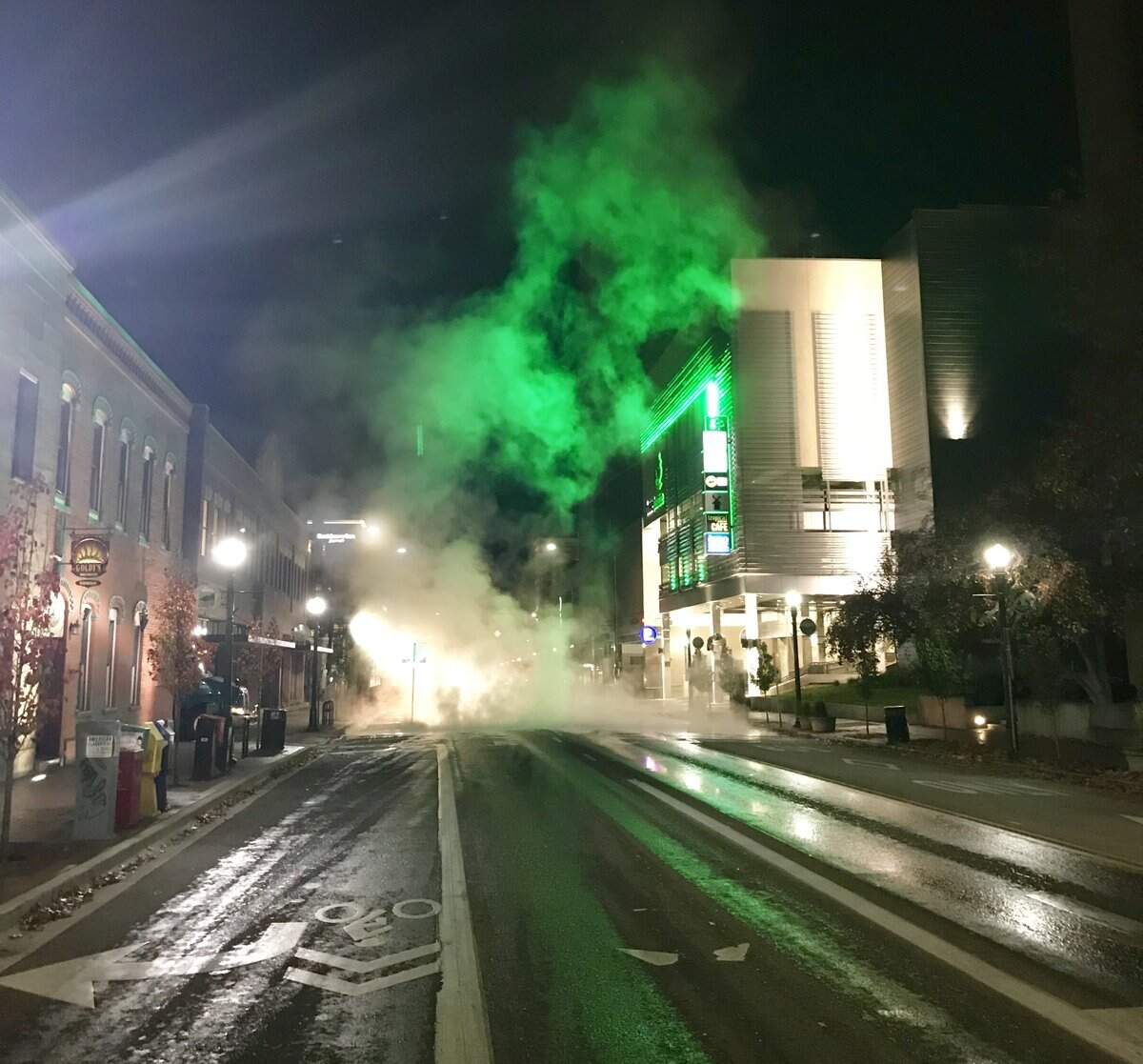
The Downtown Boise geothermal system has sprung at least two major leaks in the past month, spewing steam and closing lanes on busy roads.
A coupling between a main line to a smaller pipe broke Oct. 30 on Capitol Boulevard south of Main Street, the Boise Public Works Department says. Monday, a small crack formed on an underground pipe near the corner of 6th and Idaho streets.
Those are an irritation to people trying to get around in a bustling Downtown. Fixing them requires finding them, digging up the road, replacing the faulty part or section of pipe and then repairing the road.
The recent leaks also suggest the system, installed in the 1980s, is aging. Much of the pipe is concrete, but some components — like the coupling that broke — are metal. The combination of heat on the inside of the pipe and a variety of minerals in the soil on the outside corrodes the metal, said Colin Hickman, a Public Works spokesman.
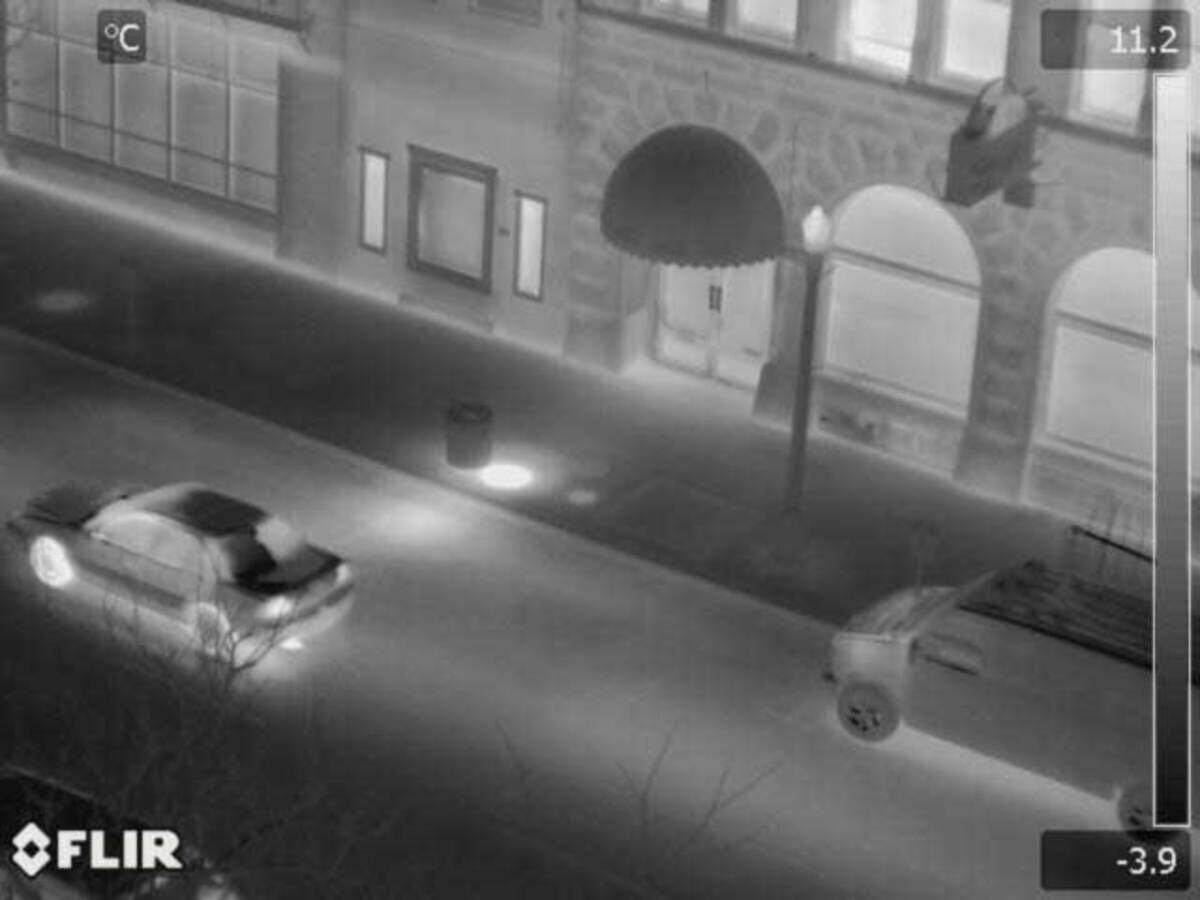
These days, he said, the city is replacing old pipes and parts with fiberglass versions and coating them with chemicals or wraps to keep the soil from making direct contact with the pipe. To monitor for trouble spots, Hickman said, the city hires airplane pilots to fly over the system and photograph it using infrared cameras. Bright spots show leaks or weakening pipes that might soon burst.
Recent problems haven’t dampened Boise’s enthusiasm for geothermal energy. In fact, city leaders have their eyes on a possible expansion.
How geothermal works
The city-owned geothermal system heats more than 6 million square feet in 89 buildings Downtown, with 1.5 million gallons of hot water running through 20 miles of underground pipeline per day.
The water comes from an aquifer that lies beneath Boise. It’s about 177 degrees Fahrenheit when the city extracts it with a pump near the Military Reserve archery range just northeast of Downtown, Hickman said.
The water runs through heat-exchange systems in the buildings it serves, warming them with thermal energy. Then it’s re-injected into the ground near Julia Davis Park.
The system is one of at least four geothermal networks in Boise. A private system heats homes on Warm Springs Avenue. The state of Idaho owns a system that serves the Capitol and several state-owned buildings near it. The U.S. Department of Veterans Affairs’ campus has another.
About 2 percent of the energy Boise residents and businesses consume comes from geothermal systems, according to the city.
Boise eyes a future free of fossil-fuel electricity
Geothermal energy is a darling of scientists and other people worried about climate change. It emits no greenhouse gases, such as carbon dioxide and methane, that trap heat near the earth’s surface. It requires no fuel. Geothermal systems simply pump water out of the ground that’s heated by nature and extract some of its heat.
Next year, Boise plans to assess the system’s upkeep demands, its long-term needs and the potential costs of expanding it. The city might enhance the system by recycling some of the water to get more heat from it before putting it back underground.
It’s unclear how big the geothermal expansion would be, where it would go and how much it would cost. Those details will be the subject of a strategic plan, Hickman said.
Over the next two or three decades, Boise leaders hope to eliminate, or at least sharply reduce, the use of fossil fuels for electricity within city limits. This effort would start with city-owned buildings and spread to private properties.
The city wants to know what residents think of this plan. Between now and early next year, Boise expects to conduct a professional survey to gauge public opinion of the renewable energy initiative. It also has scheduled several open house events between Dec. 4 and Dec. 13 to explain the initiative and get feedback.
The city will incorporate that information into a preliminary concept that staffers hope to present to the City Council in the spring for guidance on how to proceed.
This story was originally published November 23, 2018 at 11:13 AM.