‘Explosive’ parasitic infection reported in Idaho as cases rise across US
An intestinal parasite found on raw produce has sickened people in more than 30 states, including Idaho.
As of Tuesday, July 14, a total of 1,645 cyclosporiasis infections had been reported in the United States since May 1, resulting in 141 hospitalizations, according to the U.S. Centers for Disease Control and Prevention.
At least one of those cases was in Idaho, the Idaho Department of Health and Welfare confirmed on Tuesday.
“Idaho is currently investigating one lab-confirmed cyclospora infection in an Idaho resident that traveled outside of Idaho before becoming ill,” AJ McWhorter, Idaho Department of Health and Welfare public information officer, told the Idaho Statesman via email.
What are common signs of cyclosporiasis? How does it spread, and how can you avoid getting sick?
Here’s what to know:
What is cyclosporiasis?
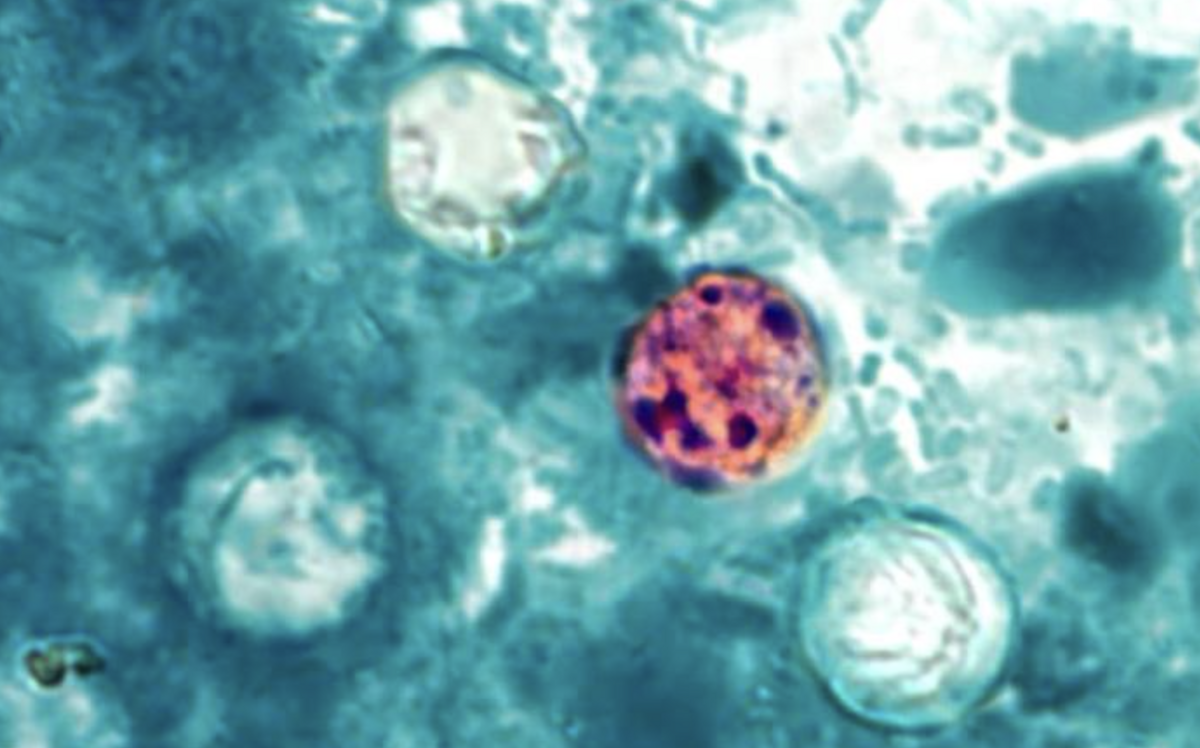
“Cyclosporiasis is a gastrointestinal disease caused by the microscopic parasite cyclospora,” the CDC said.
Cyclosporiasis is contracted after consuming foods or water contaminated by the microscopic parasite, according to the U.S. Food and Drug Administration.
Food and water can carry the parasites after coming into contact with feces infected with tiny cyclospora.
As of Tuesday, cyclosporiasis cases had been reported in a total of 34 states since May 1.
That includes a ”large multistate outbreak” spread across at least four Midwestern states: Michigan, Ohio, West Virginia and Kentucky.
Based on previous trends, the CDC expects the number of cases to rise.
“A specific food item has not yet been confirmed as the source,” the CDC said.
How many people has parasite sickened in Idaho?
So far, only one person in Idaho has been confirmed as infected by the cyclospora parasite, according to state health officials.
“We expect we might see a few additional cases among Idaho residents,” McWhorter said.
McWhorter added that those cases will likely involve people who have visited areas of the United States that are already significantly affected by the outbreak.
Idaho is one of a few U.S. states where contraction of cyclosporiasis is not directly reportable to the CDC, McWhorter told the Statesman.
“Even so, public health officials in Idaho are in contact with national, regional, and hospital laboratories that perform testing for Idaho patients as well as with infectious disease physicians in Idaho to determine if they have identified increases in positive test results or diagnoses of cyclosporiasis,” McWhorter said.
What are symptoms of cyclosporiasis?
Cyclosporiasis “usually causes watery diarrhea with frequent and sometimes explosive bowel movements,” according to the CDC.
Other common symptoms of cyclosporiasis include:
- Loss of appetite
- Weight loss
- Cramping
- Bloating
- Increased gas
- Nausea
- Fatigue
Some infections may result in low-grade fever, vomiting, body aches and headaches and other “flu-like symptoms,” according to the CDC.
“Without treatment, symptoms can last anywhere from a few days to a month or longer,” the federal health agency said. “Some symptoms, such as diarrhea, may go away and then return.”
What should I do if I get sick?
“Call your healthcare provider if you have symptoms of cyclosporiasis,” the CDC said on its website.
Although it’s not usually a medical emergency, some cases may require hospitalization if symptoms are severe.
If you’re diagnosed with cyclosporiais, share dietary information with your doctor to help health officials keep track of what foods are at risk of contamination, the CDC said.
Which foods have been tied to cyclosporiasis outbreaks?
“The best way to prevent cyclosporiasis is to avoid food or water that may be contaminated with feces,” or, poop,” the CDC said.
Keep an eye on which foods have been listed as carriers for current cyclospora outbreaks and avoid foods that are linked to previous outbreaks.
According to the U.S. Food and Drug Administration, past cyclosporiasis outbreaks in the United States have been tied to the following foods:
- Raspberries
- Basil
- Cilantro
- Snow peas
- Mesclun lettuce
How can I avoid falling ill? See prevention tips
It’s a great time to clean out your fridge, disinfect it and thoroughly wash your hands with “hot, soapy water,” the FDA said.
“Although it’s unknown exactly how food and water become infected with Cyclospora, people should be aware that rinsing or washing food is not likely to remove it,” the FDA said.
Be extra careful when preparing raw fruits and vegetables.
“It is important to thoroughly wash produce even if it is labeled as pre-washed,” the CDC said. “Scrub firm fruits and vegetables, such as melons and cucumbers, with a clean produce brush.”
Inspect your produce for any bruising or other damage and cut it away, the CDC added.
If you’re saving “cut, peeled or cooked” produce for later, make sure to refrigerate it immediately, federal health officials said.
This story was originally published July 14, 2026 at 4:32 PM.