‘High’ levels of potentially deadly virus in Boise. How to keep kids safe
Has your family been dealing with a stomach bug?
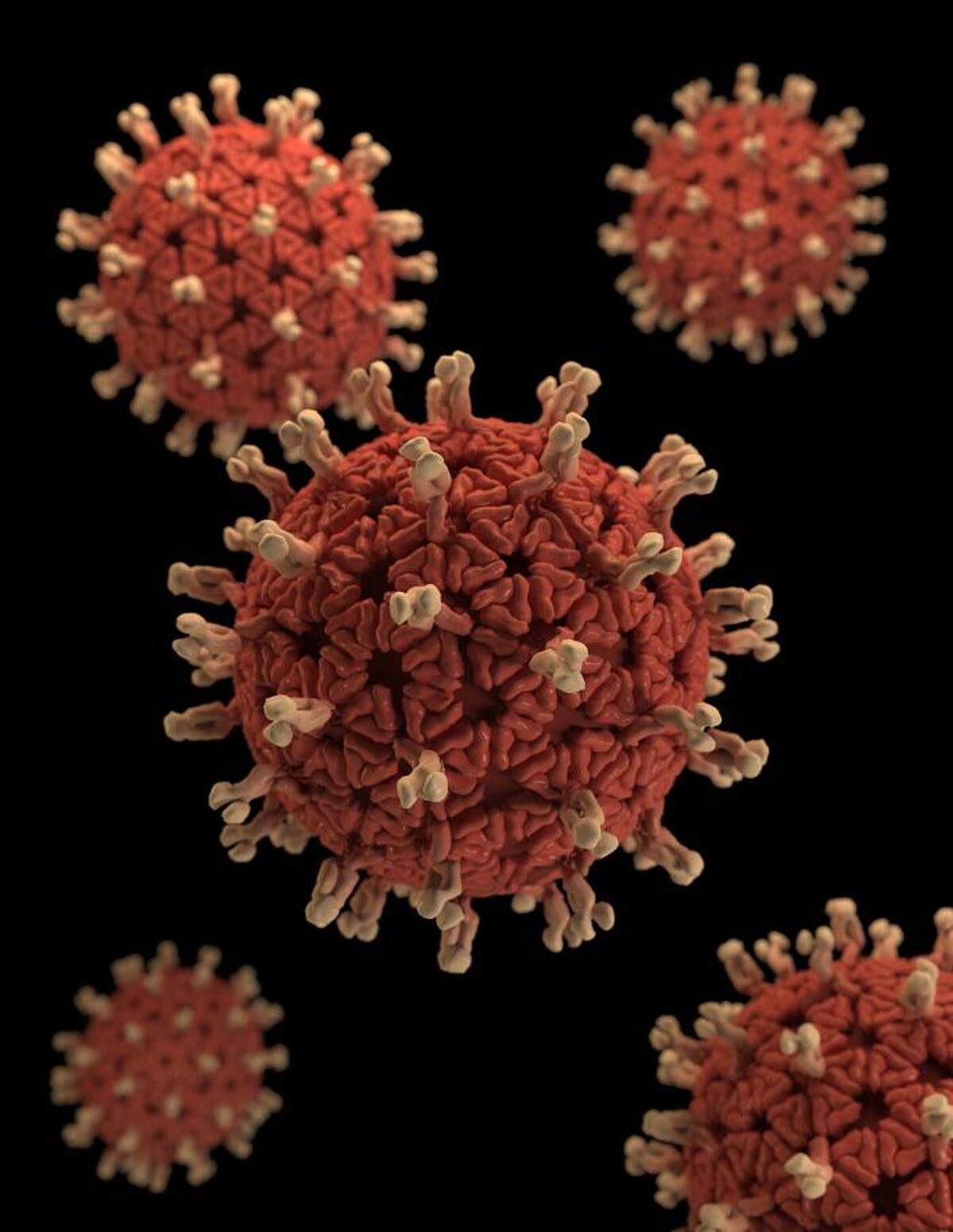
High levels of rotavirus, a potentially deadly virus, have been detected in wastewater in the Boise area, testing shows.
WastewaterSCAN data shows “high” concentrations of rotavirus at two water treatment plants in the City of Trees.
The highly contagious virus “causes severe watery diarrhea and vomiting in infants and young children,” the U.S. Centers for Disease Control and Prevention said.
Rotavirus can also sicken older children and adults with weakened immune systems.
Here’s what to know:
What is rotavirus?
Rotavirus is a viral infection that is most common in infants and young children, according to the CDC.
It’s one of the most common viruses responsible for viral gastroenteritis, also known as the stomach bug.
“Children may become dehydrated and need to be hospitalized and can even die,” the federal agency said.
When adults contract rotavirus, the CDC said, symptoms are typically more mellow.
What are common symptoms of rotavirus?
According to the CDC, common symptoms of rotavirus include severe watery diarrhea, vomiting, fever and stomach pain.
According to the Mayo Clinic, fever and vomiting are the first symptoms people experience, and they tend to improve by the second day. However, diarrhea can last as long as a week.
How can I tell if my child is dehydrated?
Rotavirus patients can also experience loss of appetite and dehydration, which can be “especially dangerous for infants and young children,” the CDC said.
According to the CDC and Mayo Clinic, signs of dehydration include:
- Decreased urination
- Excessive thirstiness
- Dry mouth and throat
- Crying with few or no tears
- Unusual sleepiness or fusiness
- Dizziness, lightheadedness or fainting
- Loss of skin elasticity or sunken eyes and cheeks
When should I call the doctor?
The Mayo Clinic said you should call your child’s healthcare professional if your child is experiencing:
- Diarrhea for more than 24 hours.
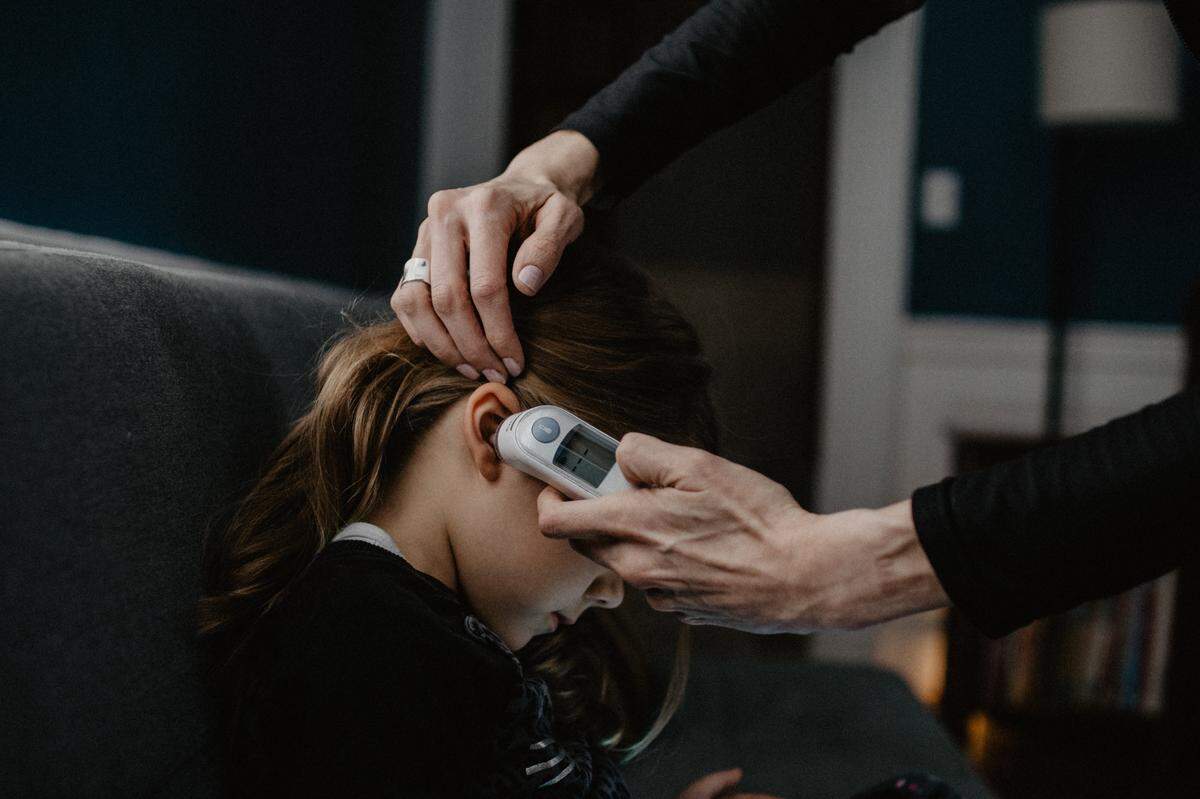
- Fever of 102 degrees or higher, or 100.4 degrees for children under 3 months old
- Frequent vomiting
- Intense pain in the stomach or rectum
- Black or tarry stools, or stools with blood or pus
- Symptoms of serious fluid loss
Signs that adults need to see a doctor include:
- Diarrhea for more than two days
- Fever of 102 degrees or higher
- Frequent vomiting
- Intense pain in the stomach or rectum
- Six or more stools in 24 hours
- Black or tarry stools, or stools with blood or pus
- Symptoms of serious fluid loss
Dark-colored stools or intense abdominal pain are signs of a severe complication called intussusception, which happens when part of the intestine slides into another part, the Mayo Clinic said.
“This blocks the intestine and cuts off blood flow to that section of the intestine,” the healthcare company said.
Intussusception needs immediate medical attention.
How does rotavirus spread?
“Rotavirus spreads easily,” the Mayo Clinic said, passing from one person to another because it’s present in fecal matter.
“Unwashed hands can carry the virus and pass the virus to any touched object, such as a toy, doorknob or toilet handle,” the Mayo Clinic said. “This means that even the smallest contact with stools — even contact that’s not visible — can spread the virus.”
You can get rotavirus by putting your unwashed hands in your mouth, touching contaminated surfaces and putting your fingers in your mouth or even eating contaminated food, the CDC said.
“If a person has a rotavirus infection, the virus is in stools at least two days before symptoms start,” the Mayo Clinic said. “It can be present in stools up to 10 days after symptoms start.”
How is rotavirus treated?
There’s no specific medicine to treat a rotavirus infection, although healthcare professionals can treat your symptoms, according to the CDC.
“Most rotavirus infections can be treated at home with rest and plenty of fluids,” the Mayo Clinic said. “More-serious cases may mean a person needs to stay in the hospital.”
What are the best ways to prevent rotavirus?
According to the CDC, getting a rotavirus vaccination is the “best way to protect your child from rotavirus disease.”
“Good hygiene like handwashing and cleanliness are important but not enough to control the spread of the disease,” the agency said.
It is important to wash your hands with soap and water using the bathroom, changing a diaper and before and after eating a meal, according to the Mayo Clinic.
“Cleaning household surfaces and hand-washing can slow the spread of disease,” the Mayo Clinic said.
“If someone in your family has a rotavirus infection, clean surfaces more often,” the clinic said. “Use soap and water to clean things that are touched often, such as diaper bins, doorknobs and toilet handles” and toys or other objects that are shared regularly.
Disinfecting surfaces with antiviral cleaning products can also help reduce the chance of spreading infection.