Blue moon will soon light up Boise night sky. See when to look up
A once-in-a-blue moon view will soon grace the Boise night sky
The month of May opened with a full moon and will close with one as well.
A blue moon happens when there are two full moons in a single month.
Here’s what to know about the blue moon in May:
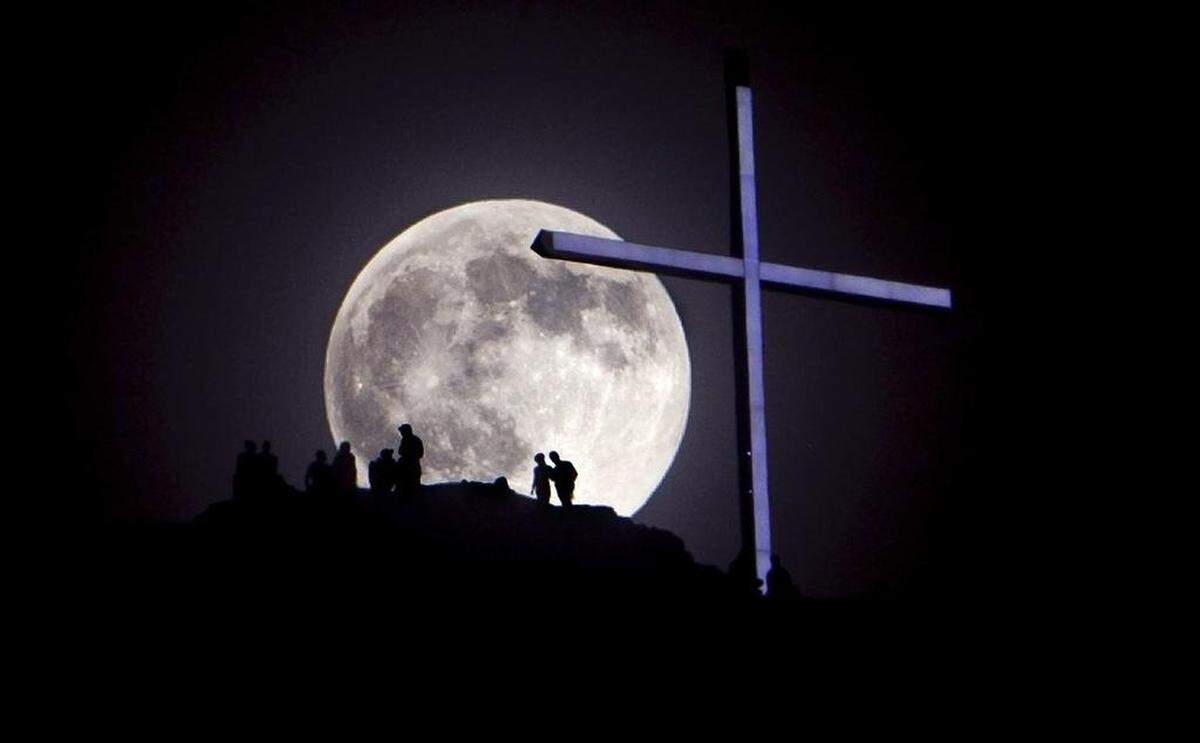
What’s the best time to watch the full moon?
The blue moon will reach peak illumination at 2:45 a.m. on Sunday, May 31, according to online calendar Time and Date.
The National Weather Service’s current seven-day forecast for Boise calls for mostly clear skies on Sunday night, so area residents are likely to catch a glimpse of the full moon.
How rare are blue moons?
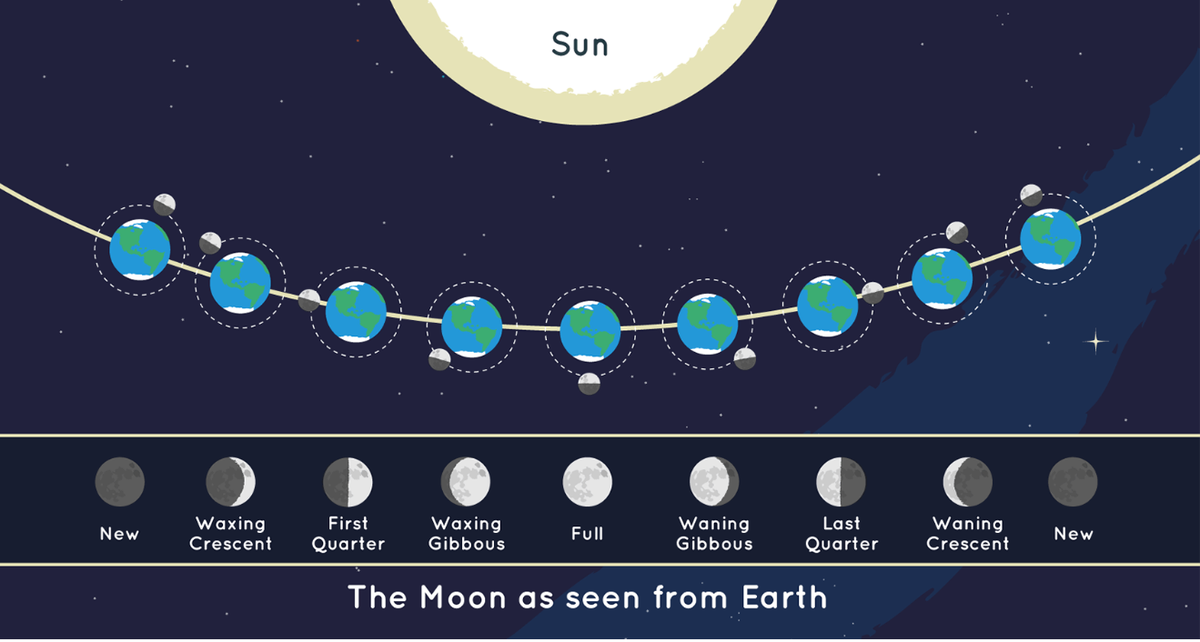
A calendrical blue moon occurs when the moon cycles to total illumination twice in one month.
The phenomenon happens once every 2.5 years on average, according to the Old Farmer’s Almanac.
“Maybe ‘once in a blue moon’ isn’t so rare after all,” the almanac said.
However, there’s another type of blue moon.
“The extra full moon that occurs within an astronomical season” is known as a seasonal full moon, the Old Farmer’s Almanac said. Usually a season only has three.
The next seasonal blue moon will fall on May 20, 2027, Time and Date said.
Although you’d expect to see 12 full moons in a year, the moon doesn’t need 365 days to complete 12 cycles, according to The Old Farmer’s Almanac.
It only needs 354 days.
Are blue moons actually blue?
“Don’t be fooled by the name,” NASA said. “This moon will not actually be blue in color.”
However, large quantities of smoke, dust or other air pollutants can give the typically white celestial body a blue or green hue, according to astronomy blog EarthSky.
What is a micromoon?
The second full moon in May may look smaller and dimmer than normal, according to The Old Farmer’s Almanac.
That’s because it’s a micromoon.
A micromoon occurs when the lunar body is at its farthest possible distance from Earth, or at its apogee, according the almanac.
“The moon orbits Earth in an elliptical path, which means one side of the path is closer to the Earth than the other,” Time and Date said.
A supermoon, when the moon appears larger and brighter than usual, occurs when the moon is positioned closest to Earth along its path.