Strong winds left thousands without power in Boise. See outage safety tips
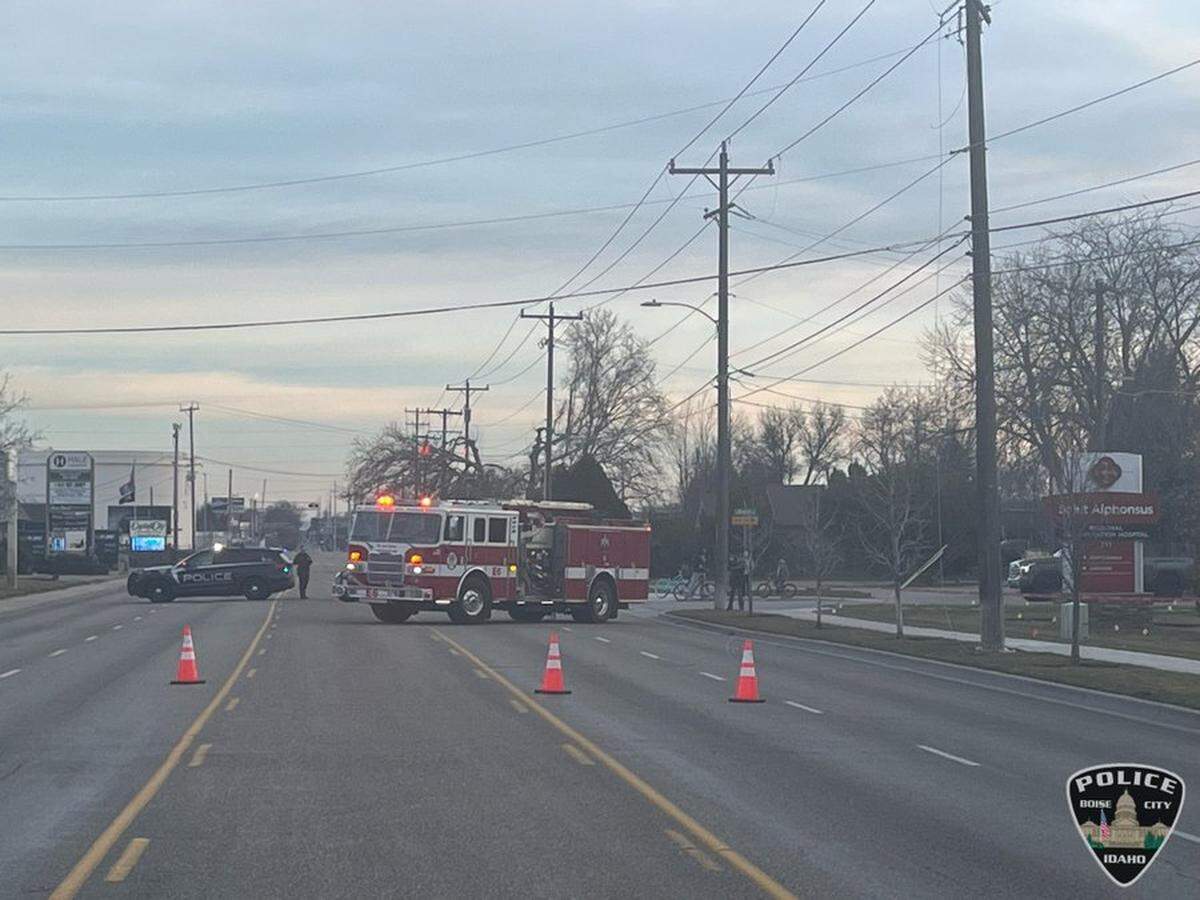
Powerful wind gusts from a quick-moving thunderstorm left several thousand customers in the Boise area without power.
More than 21,000 customers lost electricity on Thursday, May 28, due to 50-plus “weather-related outages,” according to Idaho Power.
Traffic lights at several intersections were in “dark or flash modes” as a result of the outages, Ada County Highway District said in a Thursday afternoon post on Facebook.
The highway district advised drivers to proceed with caution when traveling through intersections with nonoperating stop lights, treating each crossroads as a four-way stop.
As of 10 a.m. Friday, May 29, crews had restored power to most affected areas.
According to emergency officials, it’s a good idea to have a plan in place before disaster strikes.
Here’s what to do before, during and after a power outage:
What are the best ways to prepare for a power outage?
According to the Idaho Office of Emergency Management, there are steps you can take to prepare for a power outage before the electricity shuts off.
“Planned or unexpected, power outages can last for days or longer, disrupting resources like communications, water, transportation, stores, and more,” the state Office of Emergency Management said. “This may impact needs such as lighting, heating, cooling, communication, food and medicine refrigeration, cooking and medical equipment.”
You should invest in a backup generator, and keep enough supplies on hand to feed and care for yourself and your household.
Consider stocking up on the following items:
- Non-perishable food items
- Water for yourself and your household, including pets and livestock
- Medications
- Batteries
- Flashlights
- Car charges for devices, especially your cell phone
Make sure your electrical service provider has up-to-date contact information for you so you can receive notifications, emergency management officials said.
If your daily needs require electricity, speak with friends and family about safe locations where you can evacuate.
Some medications require electricity for proper storage, so reach out to your provider about medical certificate programs.
“Since extreme weather events and other conditions make it challenging to prevent all power outages, we want to help our medically vulnerable customers ensure that their medical needs are met even during an outage,” Rocky Mountain Power said on its website.
How can I stay safe during a power outage?
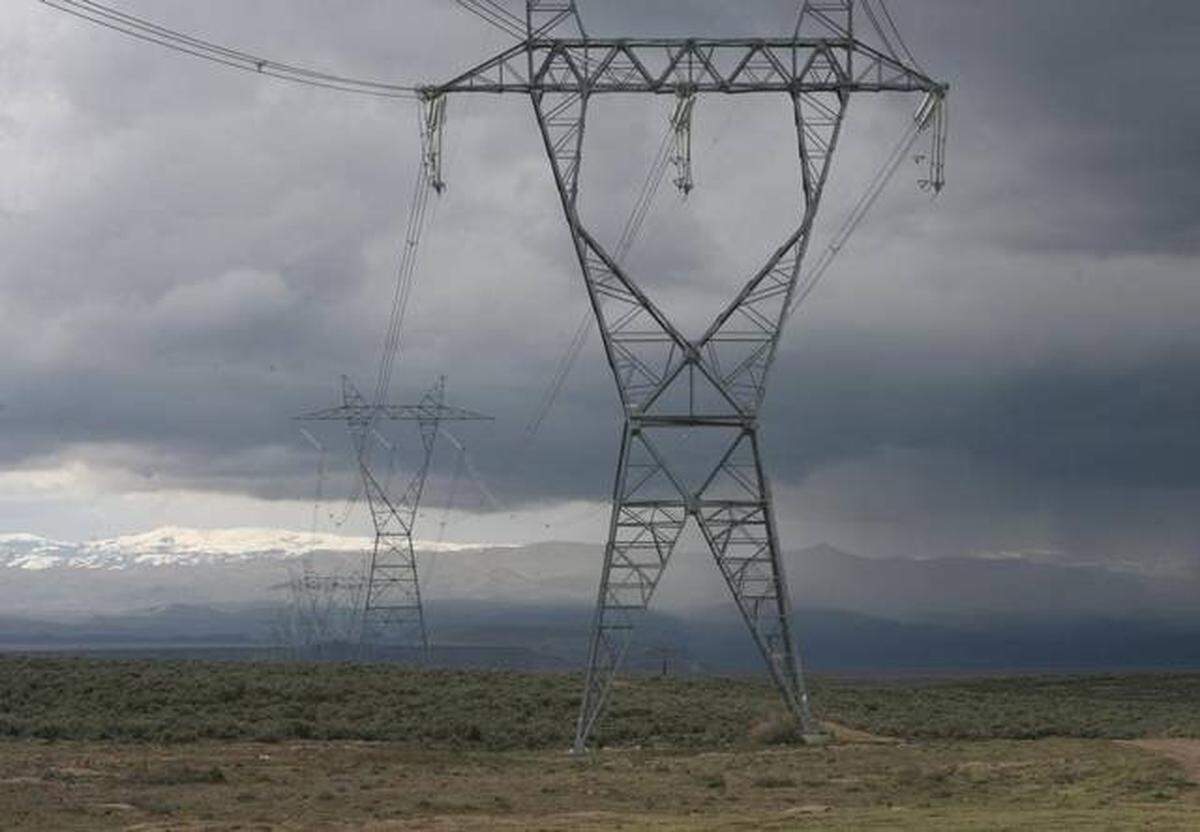
“Severe weather, such as high winds and heavy snow, can cause power lines to fall,” Idaho Power said. “So can a car accident involving a power pole.”
The power company advises that those who run into downed power lines stay as far away from them as possible and report them immediately.
Don’t go anywhere near them or touch any objects that are near them, including tree limbs.
“If someone touches a downed power line, do not touch or try to rescue them,” Idaho Power said. “You risk becoming a victim yourself. Call 911 immediately.”
Stay out of the way of crews working to repair damaged power lines, the Idaho Office of Emergency Management said.
If you experience an outage in your home, you should turn off almost all of your lights and appliances except for your refrigerator and freezer to avoid power surges, the state agency said.
Leave one light on so you can immediately see when your electricity is back.
What should I do after power comes back on?
Once the power comes back on, check your home for electrical damage.
“Following a disaster, check for damaged wiring within your home,” Ada County Emergency Management said on its website. “Look for sparks or the smell of hot or burning insulation. If damaged, shut off the power at the circuit breaker or fuse box.”
When the power comes back after a blackout, it doesn’t always do so calmly, according to Western, a Treasure Valley heating and cooling maintenance company.
“Sudden voltage spikes — also known as power surges — can fry sensitive electronics and appliances, from your furnace to your computer,” Western said.
According to the Federal Emergency Management Agency, you may need to replace refrigerated foods and medicine if your power is out for a long enough period.
“Throw away any refrigerated food that has been exposed to temperatures 40 degrees Fahrenheit or higher for more than 4 hours,” FEMA said. “Throw away refrigerated food that has an unusual odor, color or texture.”
Contract your doctor if any temperature-sensitive medications have been stored at room temperature.
This story was originally published May 29, 2026 at 11:38 AM.