Can I speed in Idaho construction zone when no one is working? What law says
Roadwork can be a major cause of driver frustration and traffic congestion.
Construction projects can close lanes, cause detours and often slow down the regular speed of traffic, sometimes forcing cars to march in single file for miles.
Speed limits in construction areas are set for “many reasons,” Idaho State Police Capt. Michael Winans told the Idaho Statesman via email. “The primary reason being that there are people actively engaged in work within the boundaries of the work zone.”
With little protection from passing vehicles, such roadwork can be “scary,” Winans said. “Those workers want to make it home safely just as bad as the motorists passing through the work zone do.”
Here’s how drivers should act when approaching a construction zone:
What’s considered speeding in Idaho?
In Idaho, it’s illegal to drive faster than the posted speed limit, although there’s at least one exception.
“No person shall drive a vehicle at a speed greater than is reasonable and prudent under the conditions,” the Idaho Vehicle Code says.
Under state law, Idaho drivers are generally expected to follow these speed limits:
- 35 mph on streets in residential, business or urban districts
- 65 to 70 mph on state highways
- 75 to 80 mph on interstate highways
- 55 to 70 mph on other roads
However, you’re allowed to go 15 mph faster than the posted speed limit to pass a vehicle that’s going too slow — provided you reduce your “speed to the posted speed limit as soon as practicable,” state law says.
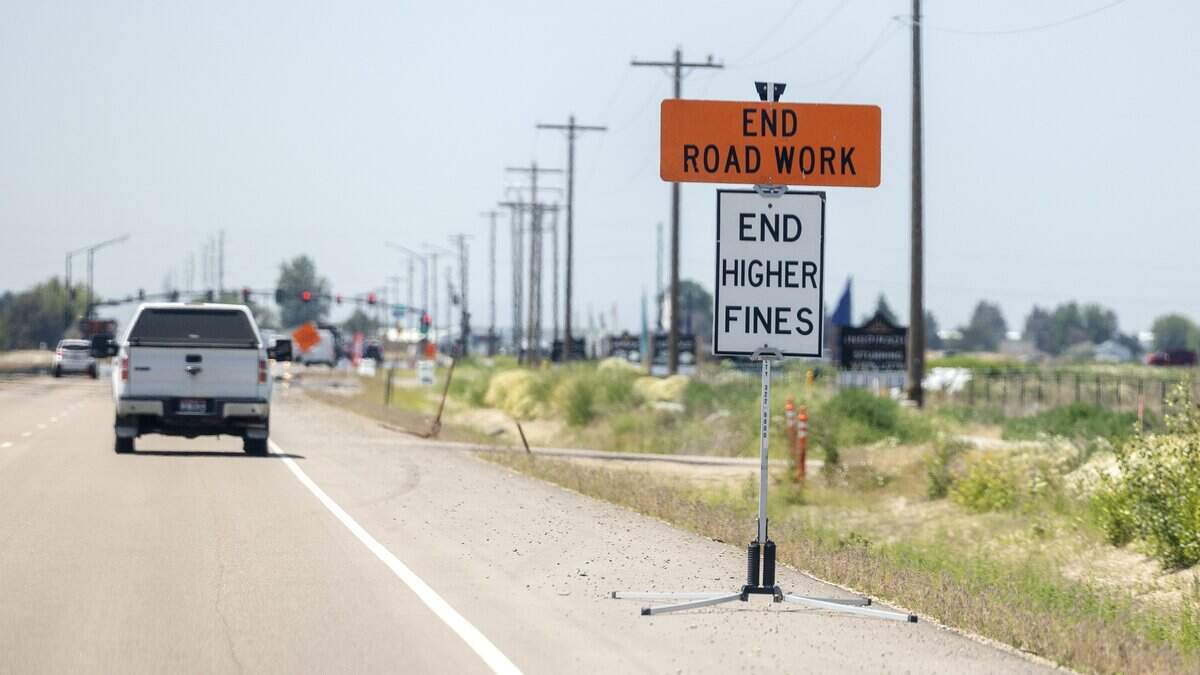
What’s the speed limit in a highway construction zone?
In construction zones, “Speed limits will vary depending on the work being done as well as the location of the work,” said Britt Rosenthal, a public information officer for the Idaho Division of Motor Vehicles and Idaho Office of Highway Safety.
“Upper limits” in roadwork zones range from 65 to 75 mph on interstates and freeways, the Idaho Transportation Department said in a 2023 memorandum.
“Where reduced speed limits are unavoidable, the work zone should be designed to accommodate traffic flow at the highest speed practical,” the state roads agency said.
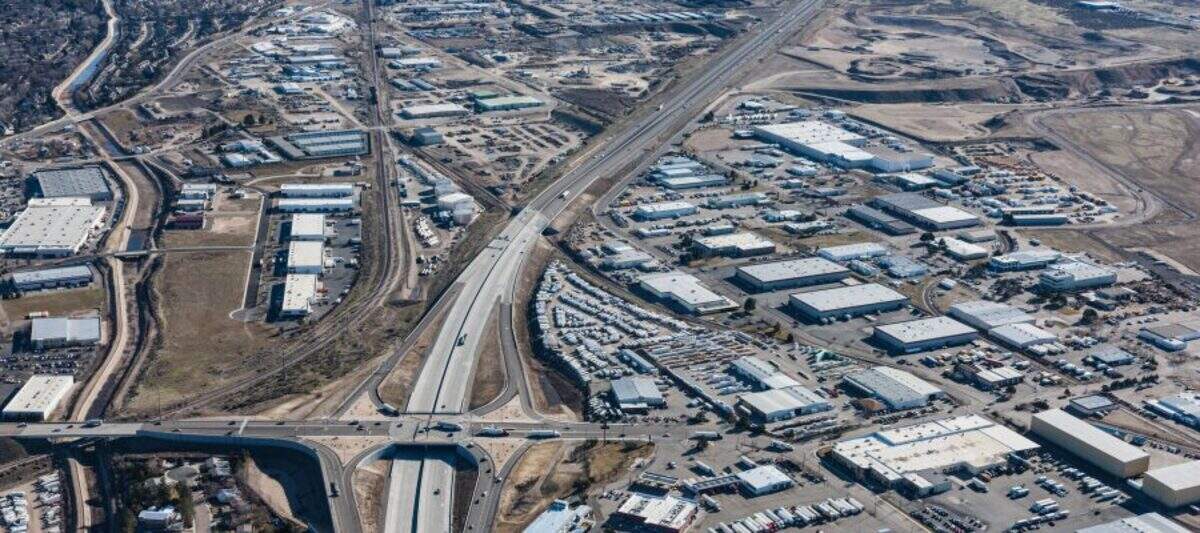
The memo encourages speed limits be set below “the maximum upper limits” when the following risks exist:
- A significant decrease in lane closures
- Frequent movement of construction vehicles and equipment in and out of regular traffic
- Construction workers are unprotected by a barrier or shield and within 30 feet of traffic.
- Construction workers are protected by a barrier or shield and are within 10 feet of traffic.
- Temporary signage or workers actively controlling traffic
- Lighting for overnight construction obscures vision for drivers.
- Roadways are altered in abnormal ways that require more precaution than normal.
- The shy distance — the buffer between traffic and construction workers, other vehicles and more — is reduced.
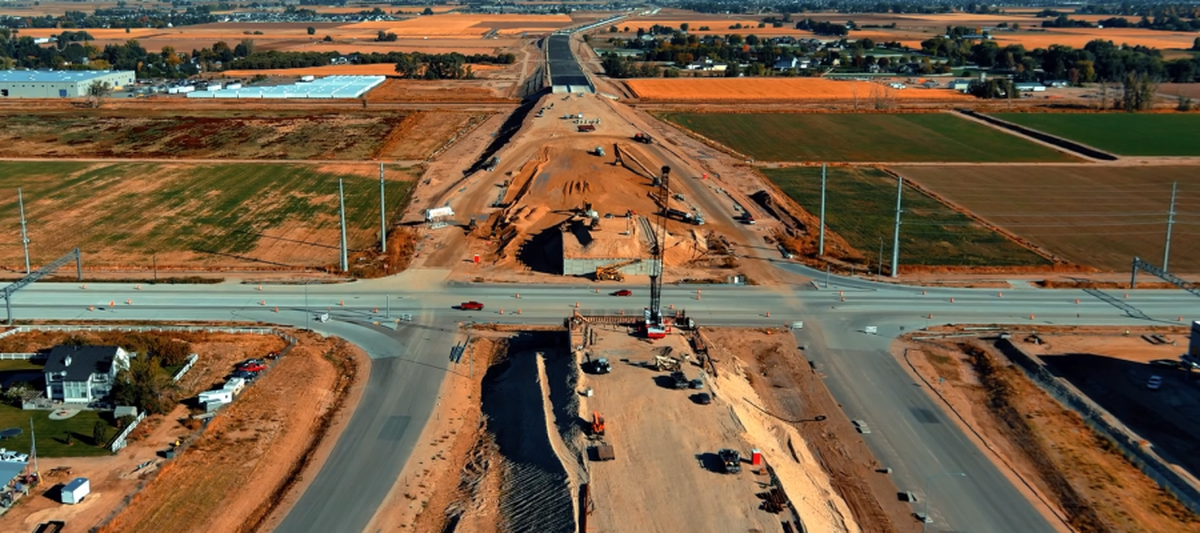
When do drivers need to slow down in construction zones?
Drivers should always obey work zone speed limits since “roads undergoing construction may not always be safe to travel on at the regularly posted speed limit,” Rosenthal told the Idaho Statesman via email.
“There could be bumps, tighter lanes to travel in, unexpected merges or lane changes, even trenches,” she said. “Driving at the posted work zone speed protects not just workers, but drivers and their vehicles as well.”
According to Rosenthal, work zone speed limits are not always consistent in a 24-hour period.
Drivers should check the Idaho 511 website or app before hitting the highway.
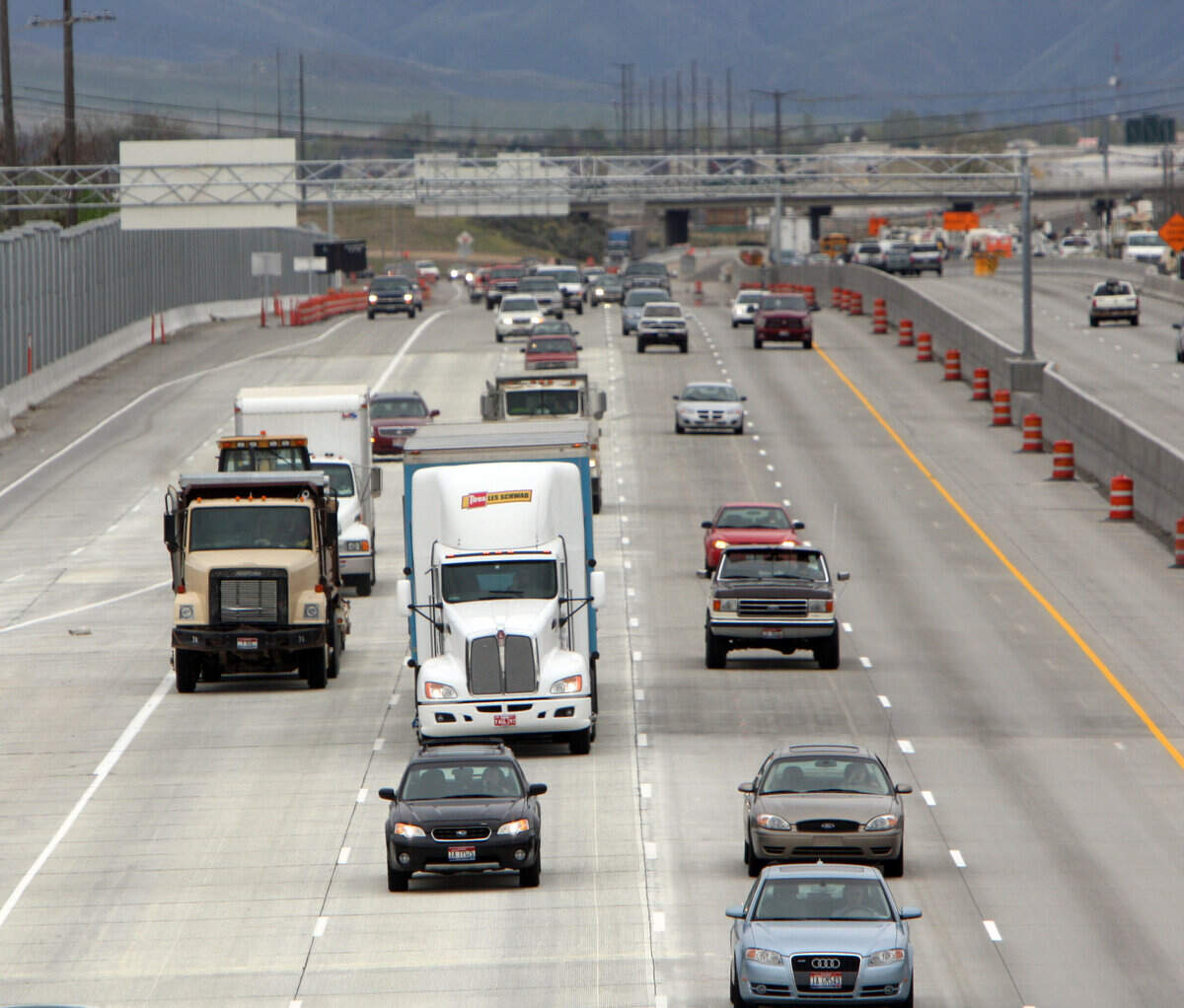
Can I speed in work zones if there are no workers present?
No, absolutely not.
According to Winans, roadwork areas are monitored 24 hours a day, seven days a week, even during periods of inactivity such as holidays and weekends.
In addition to the Idaho State Police, contractors are required to monitor construction zones to ensure traffic control “stays in place,” Winans said.

What are the penalties for speeding in a work zone?
The penalty for speeding in a construction zone depend on the severity of each case, according to Winans. Drivers caught exceeding the speed limit in work zones are subject to enhanced penalties and can face “higher fines and added points to one’s driving record,” he said.
You can expect to pay a maximum fine of $657 for speeding in a construction zone, plus fines of up to $155 for reckless driving.
“If the driving is especially egregious, the driver could be arrested for reckless driving,” Winans said.
In Idaho, motorists convicted of reckless driving for the first time can be fined up to $1,000 and serve a maximum of six months in county jail. Additional convictions within a five-year span can lead to a $2,000 fine and a one-year jail sentence.
“This is assuming the driver doesn’t cause a crash, which leads to a whole other set of problems,” Winans said.
How many car crashes in Idaho happen in road work zones?
From 2018 to 2022, there were 3,315 crashes in work zones in Idaho, resulting in a total of 32 deaths, according to data from the Idaho Office of Highway Safety.
Idaho saw a 19% increase of car crashes in work zones between 2023 and 2024, according to the Idaho Transportation Department’s annual crash analysis.
The Gem State reported 904 crashes at road construction sites in 2024, resulting in nine deaths, 143 injuries and 187 possible injuries, according to the analysis.
In one case, an “entitled driver” moved a road sign, drove through a “closed to thru traffic” construction site and struck and injured a roadside construction worker as they were moving the sign back into place, the state roads agency said.
“Workers on the roadway are especially vulnerable since their attention is focused on the task at hand rather than on the traffic passing by,” the Idaho Transportation Department said in its analysis. “While most crashes occurring in work zones do not involve a worker, there have been a few crashes that have involved workers.”
Driving tips for Idaho road work zones
The Idaho Transportation Department offers these tips for driving in work zones:
- Slow down.
- Drive cautiously
- Be alert for construction workers, signage and other vehicles.
- Keep your seatbelt on.
This story was originally published January 23, 2026 at 4:00 AM.