
Daylight saving time ends soon in Idaho. Here’s how it could impact your health
Daylight saving time ends soon in Idaho.
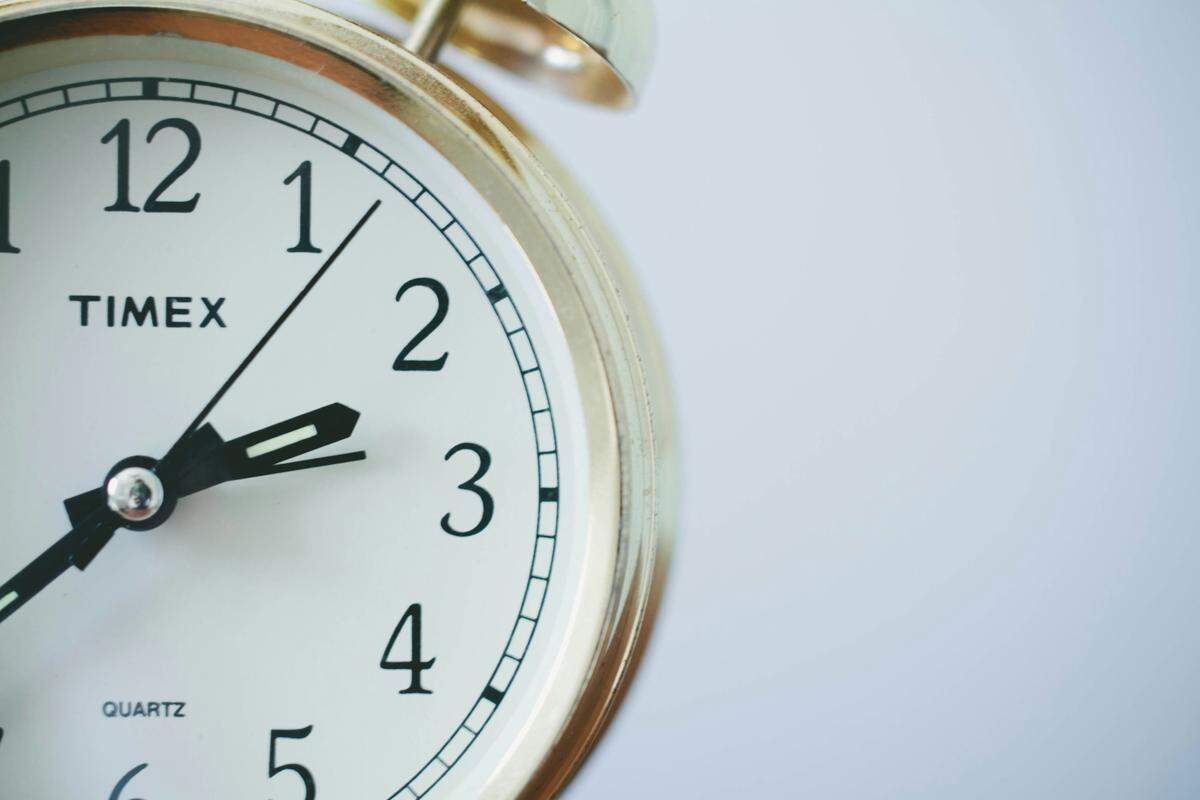
Clocks and watches will “fall back” by one hour, allowing Idaho residents to enjoy an extra hour of sleep.
How could the end of daylight saving time affect your health? And how long will it take for your body to adjust to the time change?
Here’s what to know, including tips from sleep experts:
When does daylight savings end in Idaho in 2025?
Daylight saving time ends on the first Sunday of November, according to online world clock Time and Date.
Clocks will go back one hour at 2 a.m. on Sunday, Nov. 2, giving Idaho residents a chance to sleep in.
The sun will rise an hour earlier each day, meaning more sunlight in the mornings.
However, sunset will come an hour earlier each night.

How early will it start getting dark in Boise?
After daylight saving time ends on Nov. 2, sunset in Boise will be at 5:33 p.m., according to Time and Date.
The shortest day of the year will Sunday, Dec. 21, the winter solstice.
The sun will rise at 8:15 a.m. and set at 5:11 p.m. on the official first day of winter, according to Time and Date.
Is daylight saving time bad for my health?
Observing daylight saving time can be “acutely bad for our health,” according to Stanford Medicine researchers.
“The scientific evidence points to acute increases in adverse health consequences from changing the clocks, including in heart attack and stroke,” Johns Hopkins mental health professor Adam Spira said in a 2023 article.
The time change can result in heightened risks of mood disturbances and hospital admissions, Johns Hopkins Bloomberg School of Public Health found, as well as increased chances for fatal car crashes.
Daylight saving time alters your normal pattern of exposure to daylight, according to SleepFoundation.org.
“This can throw off your body’s circadian rhythm, the internal clock that helps control sleep and many other biological processes,” the sleep-focused website said.

How could daylight saving time affect my sleep?
Dr. Michael Breus, clinical sleep specialist and founder of SleepDoctor.com, compared the impacts of twice-annual time shifts to jet lag.
He said the start of daylight saving time in the spring can impact your cognitive, emotional and physical well-being.
The end of daylight saving time can also disrupt your body’s natural rhythms, especially if you’re already sleep-deprived, Breus told McClatchy.
When you get an extra hour of rest, “Your body then wants to stay in sleep — something that we call sleep inertia,” Breus said. “This is the body wanting to stay in a deeper stage of sleep, to become more nourished, and it just kind of continues to want that sleep process to occur.”

How long will it take to adjust to time shift?
How quickly you adapt to the time shift depends on who you are, according to Breus.
Babies and older adults tend to struggle the most to adapt to the time change, he said.
Most people, however, will need about a day to transition to clocks falling back an hour, Breus said, the same amount of time you’d need to adjust to a new time zone when traveling.
When clocks fall back on Sunday, Nov. 2, most Idaho residents should feel back to normal by the next day.
“It should not have a tremendous effect past a day, maybe two days,” Breus told McClatchy. “When you’re sleep-deprived, that’s when we start to see bigger and bigger effects. But generally speaking, (the effect) should wear off ... within a day to two.”
See best ways to prepare for fall time change
Idaho residents can prepare for the end of daylight saving time by making adjustments to sleep routines and light exposure, according to Breus.
Breus advised moving up your bedtime by 15 minutes each day in the leadup to Sunday, Nov. 2, “to make the transition a little bit easier.”
“You really do want to maintain consistent sleep habits,” he said. “So sticking to regular sleep and wake times, even on the weekends with this transition ... is going to be important.”
You should also limit caffeine use around the time change since it can interfere with your sleep, according to Dr. Charles Czeisler, a Mass General Brigham sleep medicine specialist.
“You might want to eat an hour earlier than you usually would for a few days,” Czeisler said.
Following the fall time change, Breus said, you should wear sunglasses in the morning to adjust to increased sunshine levels.
In the evening, he said, you should take a 30-minute walk after dinner or use a bright light therapy device to help ease your body’s transition.
When do we change clocks again?
Daylight saving time starts again at 2 a.m. on Sunday, March 8, 2026, according to Time and Date.
On that date, clocks will “spring forward” as the season changes and days get longer.