
Meteor showers, full moon and Milky Way to shine in Idaho sky. When to watch
Idaho stargazers can spot two meteor showers, a full moon and more in the sky in August.
While the Perseids blaze their familiar trail, a parade of planets and other cosmic sights will compete for Idaho residents’ attention.
With a full calendar of astronomical events in store, there are many reasons to look up this month.
Here are some of the highlights and when to watch them:
When’s the best time to see full moon in Idaho?
The eighth full moon of 2025 will reach peak illumination at 1:54 a.m. on Saturday, Aug. 9, according to online calendar Time and Date.
The moon will rise just after sunset, offering bright views but temporarily dimming meteor visibility.
Why is August’s full moon called the sturgeon moon?
August’s full moon is known as the sturgeon moon. It’s named for the fish that can be found in the Great Lakes and Lake Champlain and caught during the summer months, according to the Farmer’s Almanac.
NASA called it one of summer’s more photogenic full moons.
What’s the best way to watch planet parade?
In the early morning hours of Sunday, Aug. 10, observers can catch a six-planet parade. Mercury, Venus, Jupiter, Saturn, Uranus and Neptune will all be visible in the sky at once, with Mars being visible earlier in the evening, according to National Geographic.
Most of those planets can generally be spotted with the naked eye, depending on alignment. You’ll need a telescope to view Neptune and Uranus.
Mercury will be the faintest and more challenging to spot.
“Such ‘planetary parades’ are not very rare,” National Geographic said. “But they’re commonly limited to four or five planets, making this six-planet show one to catch.”
You’ll be able to glimpse another planetary alignment on Thursday, Aug. 21, when “the crescent moon, Mercury, Venus, and Jupiter will create a beautiful tableau in the predawn sky,” National Geographic said.
On Tuesday, Aug. 26, the moon will cozy up to Mars, the publication said, with the two celestial bodies just 2.5 degrees apart.
How to see Southern Delta Aquariids meteor shower
The Southern Delta Aquariid meteor shower, which began in early July, will be active through Tuesday, Aug. 12.
The Southern Delta Aquariids favor early morning hours and southern latitudes but will be visible across much of Idaho, according to NASA.
The shower typically produces up to 20 meteors per hour, according to the American Meteor Society.
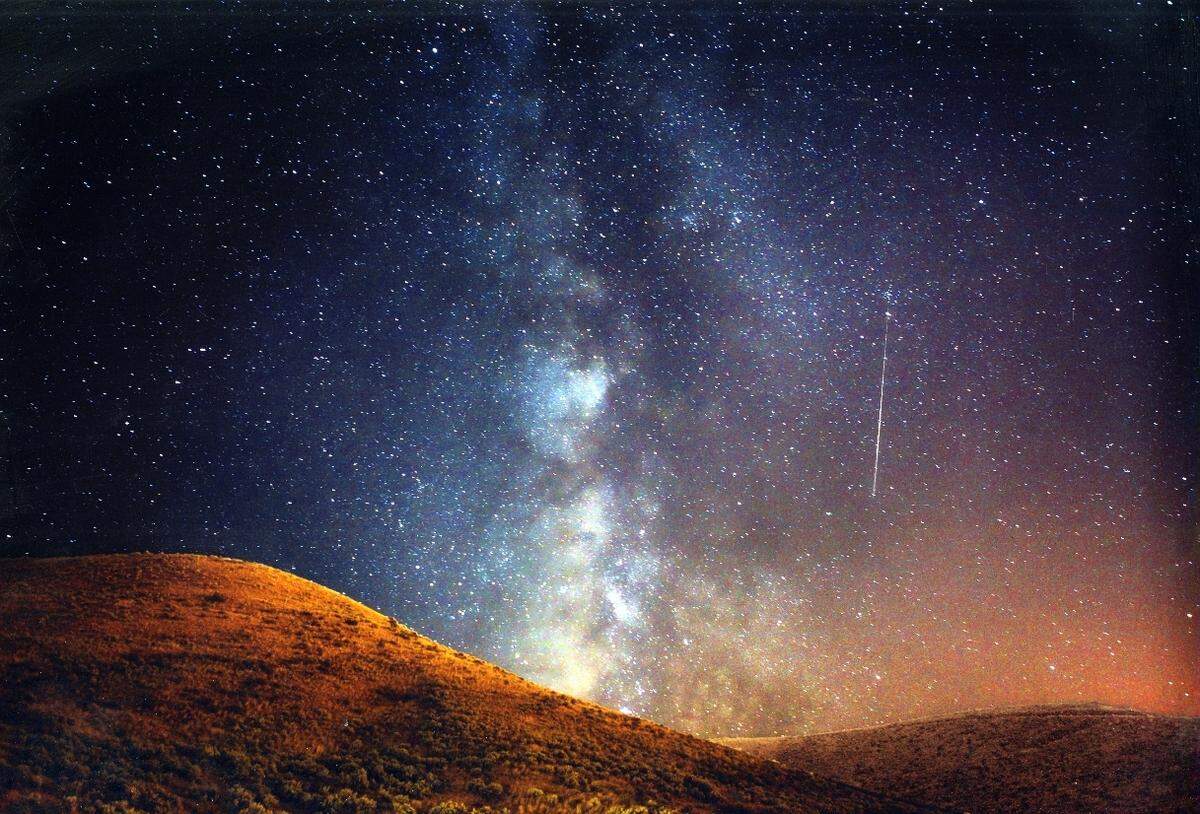
When does Perseids meteor shower peak?
One of the year’s most popular meteor showers, the Perseids meteor shower can produce up to 100 meteors per hour under dark skies, according to NASA and EarthSky.org.
In 2025, the Perseid meteor shower will peak from Monday, Aug. 11, through Wednesday, Aug. 13. At that point, the moon will be a waxing crescent with just 19% illumination, according to EarthSky.org.
Idaho residents can expect excellent viewing conditions, especially from remote, high-elevation areas including the Sawtooth mountain range and Bruneau Dunes State Park.
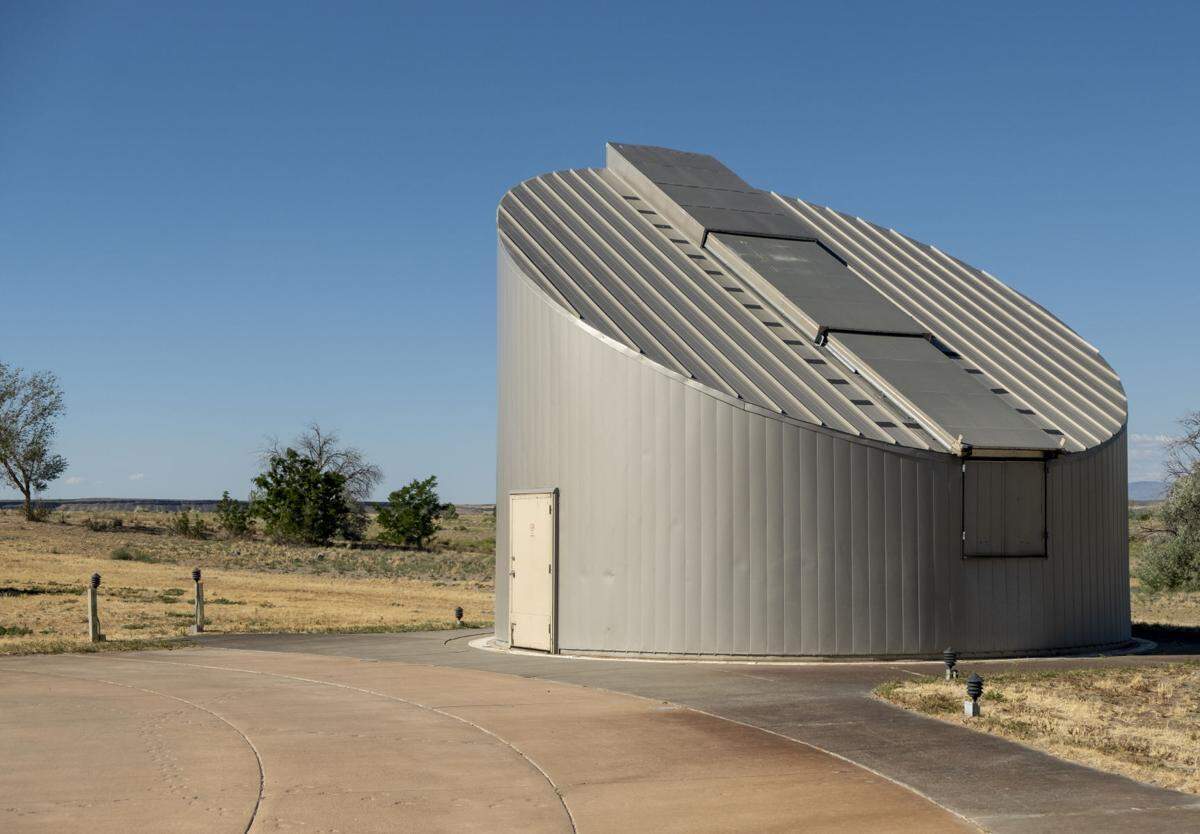
Will Milky Way Galaxy be visible above Idaho?
In the Northern Hemisphere, the best time to see the Milky Way Galaxy is from March to September, according to photography website Capture the Atlas.
Look up between 11 p.m. and 3 a.m. each night to catch glimpses of thousands of stars, Capture the Atlas said.