Canine parvovirus is on the rise in Idaho. Here’s key information for dog owners to know
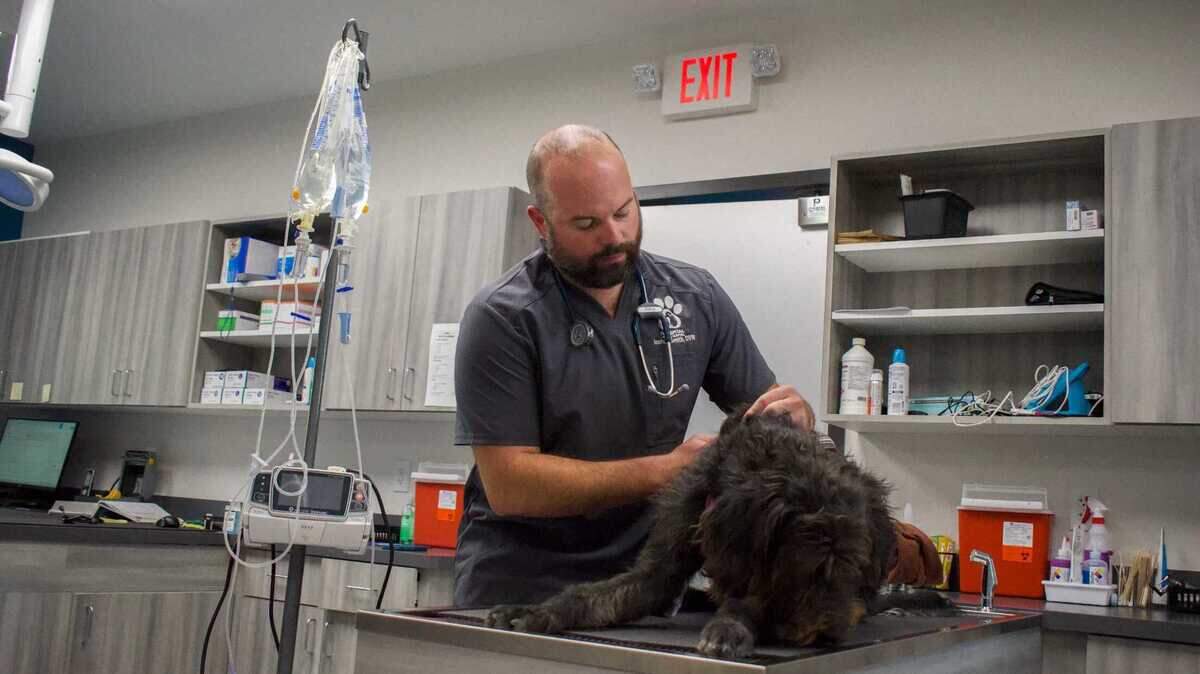
Veterinary hospitals in Treasure Valley are seeing an increase in canine parvovirus cases, commonly called parvo, and are warning their patients to stay vigilant and get their dogs vaccinated against the disease.
Joshua Smith, a veterinarian from the Pawspital Animal Hospital in Meridian explained in an interview what pet owners need to know about the key tell-tale symptoms and how the disease spreads. He also explained the best treatment and best way to prevent dogs from contracting the virus.
What are parvo symptoms, causes?
Smith explained that parvovirus mostly affects puppies under six-months-old because they are immunocompromised, and other unvaccinated dogs. The disease targets “rapidly dividing cells in the body,” and leads to severe stomach issues including diarrhea and vomiting.
“(The virus) is spread by a kind of fecal oral route, so it stays in the environment for a long time. It’s hard to kill and it’s super contagious,” Smith said. “So that’s why vaccinating is very important, and that is one of the very easy ways to protect them against that.”
The virus is most commonly spread through feces, making dog parks a high-risk area for unvaccinated dogs, according to Smith. It can also be spread when a person steps in dog poop and brings it home to their dog.
Since the virus can survive in an area for long periods of time, pet owners are advised to close off an infected area until the bacteria can be eliminated. Should the infected area be in the backyard, mowing the lawn is advised and removing any non-infected dogs from the area.
While severe diarrhea is the most common symptom of parvo, Smith said dehydration is what affects dog the most.
“The thing that really can kill the dog is dehydration, because they can get vomiting and bloody diarrhea so you’re kind of losing fluids from both ends,” Smith said. “The blood is the sloughing of their intestines on the inside, so that’s what’s coming out the back end. It’s pretty nasty stuff.”
What’s the best treatment for canine parvovirus?
The best treatment for parvo, according to Smith, is to get your dog vaccinated with the DHPP vaccine. For puppies, he suggests getting them vaccinated when they are six to eight weeks old. They must be brought in for a booster every three to four weeks until they turn 16-weeks-old. The dog will need another vaccine when they turn one-year-old, then a regular vaccine every three years should give them the most protection against the virus.
If a person rescues a dog and does not know if they are vaccinated, Smith said if they are over 16 weeks they will get the vaccine, then three to five weeks later the dogs gets it one more time. Afterward they get it a year from that, and return every three years.
Every vaccine for a pet requires an exam first, with prices on the vaccine varying on a case-by-case basis.
If a dog is not vaccinated and contracts the virus, treatment can become more complicated and expensive.
“Hospitalization with IV fluids is the best course of treatment where a veterinarian can monitor and treat them is the best course of action, but that can become very expensive,” Smith said. “At home, you do something called subcutaneous or sub q fluids, and all that means is fluids under the skin. So we can teach (pet owners) how to give fluids under the skin and the animal.”
Smith explained that the sub q fluids would be purchased at the animal hospital, and pet owners should not attempt to use home fluids to treat their pet. The sub q fluid prices would also vary depending on the severity of the case.
Where in Idaho are parvo cases happening?
Parvo cases appear to be happening in rural areas of Idaho, according to Smith. The cases are higher in areas where veterinary hospitals may not be as accessible.
“I’m hearing from the emergency clinic Viking and the Humane Society that they are seeing more cases,” Smith said. “You go through spells of these these viruses where you don’t see any for six months and then there is an outbreak. And that’s what’s happening right now, this is a bigger outbreak.”
Pet owners are encouraged to get their pet vaccinated, and contact their local animal hospital if they suspect their pet has contracted the virus.