Why did childhood obesity rates climb in Idaho in 2020? Here’s what we know
Idaho’s childhood obesity rate remains lower than the national average, but it spiked 10% in the second half of 2020 compared to the same time frame the previous year, according to a new report by the Robert Wood Johnson Foundation.
The State of Childhood Obesity report, which was released publicly on Wednesday, collected data from June 2020 to January 2021. While the report said rates have remained relatively stable since 2016, emerging evidence shows the COVID-19 pandemic may have contributed to rising obesity rates.
Nearly all states’ childhood obesity rates climbed compared to the year before. Hawaii had the highest rate increase, with a 40% spike in its obesity rate for ages 10-17, while North Dakota’s rate dropped by nearly 20%.
Idaho has a 13.3% obesity rate among children ages 10-17, below the national average of 16.2%, according to the report. But Idaho’s rate compared to data from the latter half of 2019 jumped about twice as much as the 4.5% national uptick.
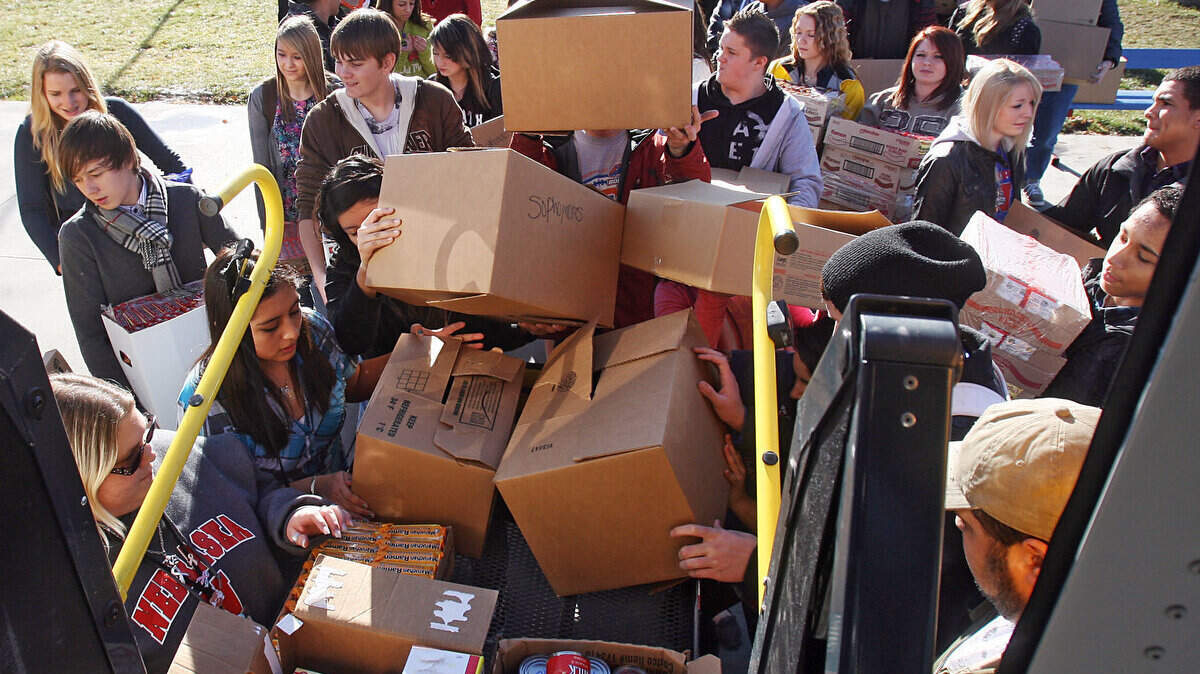
Experts said the COVID-19 pandemic likely contributed to obesity rates climbing. The largest increases were among children younger than 12, according to the foundation’s report.
Shelley McGuire, professor and director of the Margaret Ritchie School of Family and Consumer Sciences at the University of Idaho, said the pandemic created “a perfect storm” for obesity rates to spike among the most at-risk children — particularly those in families with limited access to high-quality food. She said immigrant families with food insecurity are especially vulnerable in rural Idaho.
The coronavirus pandemic hit low-income families especially hard, McGuire said. On top of that, she pointed to the trend that many women quit or lost their jobs during the pandemic and stayed home with the children, again contributing to lower incomes and higher risks of obesity.
The employment rate for women without college degrees dropped by 15 percentage points between March and April of 2020, much more than their male counterparts, according to the Brookings Institute.
Idaho will fall further behind without a public health focus on preventing obesity among at-risk children, McGuire said.
“If we don’t start doing something about that now, we’re going to see an increased risk for things like Type 2 diabetes and certain cancers in the years to come,” McGuire told the Idaho Statesman. “It’s time to really pay attention to this, nip this in the bud and turn it around.”
Ginny Lane, assistant professor of nutrition at the University of Idaho, said families being isolated in their homes for long periods of time could have contributed to higher obesity rates. Children are also heavily influenced by their friends and environment, Lane said, and ensuring they get access to healthy foods at a young age sets the tone for their adult life.
“That really sets them on the path towards becoming a productive, healthy adult,” Lane said.
Food insecurity, low incomes play role in obesity
Household income plays an important factor in obesity rates. According to the report, the lowest income group had a 23.1% obesity rate among ages 10-17, while the highest income group had only an 8.6% rate.
The Idaho Foodbank projected that one in eight Idaho children this year may experience food insecurity, which means a household has a difficult time providing enough food for all members. McGuire said Idaho’s high poverty rates and rural nature lead to high rates of food insecurity — families “eat what they can get,” McGuire said, which can mean food that’s less healthy and high-sugar diets.
Some racial and ethnic groups are at particular risk for obesity. American Indian and Alaskan Native youths have the highest rate of obesity among ages 10-17, at 28.7%, according to the foundation’s report. White children have a rate of 12.1%, Black youths a rate of 23.8% and Hispanics at 21.4%.
Asian youths have the lowest rate, at 8.1%.
Jamie Bussel, senior program officer at the Robert Wood Johnson Foundation, said federal programs designed to support women and children have helped ensure that younger children have access to healthy meals. Bussel urged more support for universal school meals, the child tax credit, and the Special Supplemental Nutrition Program for Women, Infants and Children, which helps provide food and nutrition education to low-income mothers and pregnant women.
“Obesity is a symptom of deep-rooted challenges that have only been made worse by the pandemic and are a warning sign that our nation’s policies are failing our kids,” Bussel said in a statement. “We must make real, systemic change to set kids on a path to better health.”
This story was originally published October 13, 2021 at 12:04 PM.