
Why it’s hard for executives to retire, and how they could adjust to post-career life
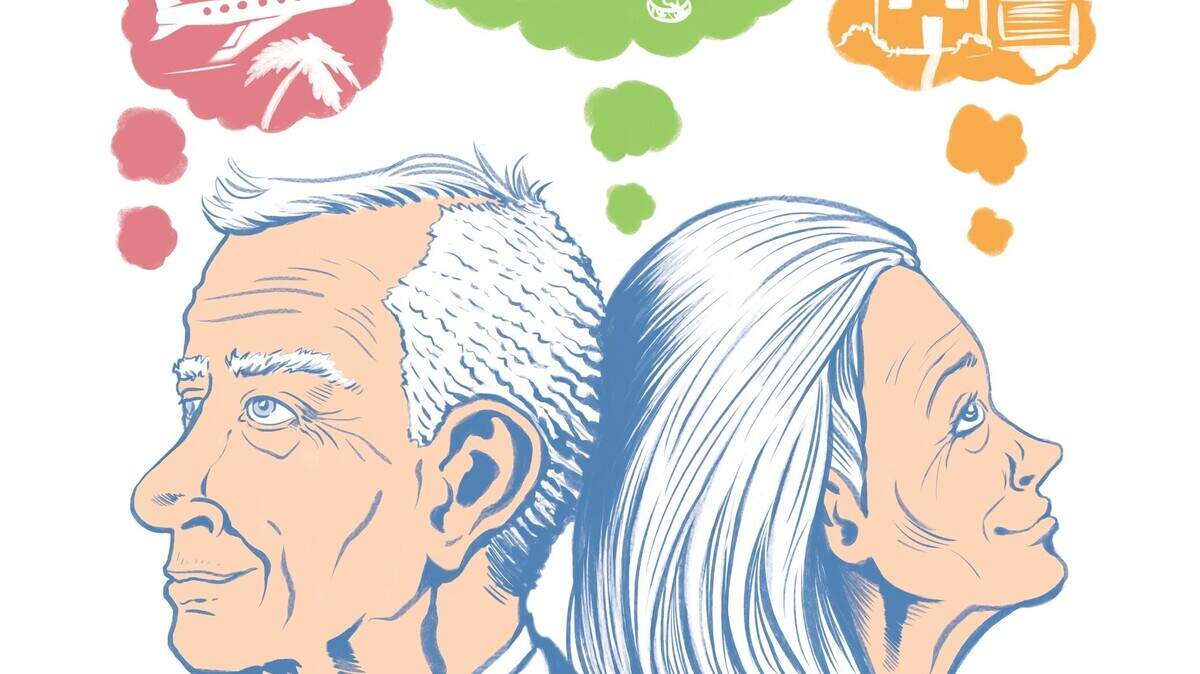
The pandemic has shattered many of our ideas about work – where, when, how, with whom – and many people find they are rethinking their former or current jobs. Others have taken the opportunity to reinvent themselves and find new careers, occupations, and interests.
Perhaps some of the most difficult decisions have been around whether to retire, if one is 55 or 75. For many people that’s a tough decision. For people who have been in top executive positions, with lots of power, it can be even harder.
A recent article in The Economist (https://www.economist.com/business/2021/04/17/life-after-the-c-suite) reviews a new book, “Changing Gear,” by Jan Hall and Jon Stokes, that lays out the challenges and approaches that high-level executives experience.
First, they must redefine their role in a community. For years, they’ve likely been at the top of their game— and the top of their organizations — and have status and power that comes with that and perhaps an inflated sense of themselves. Their employment has provided structure, friends at work, and a purpose.
That goes away with retirement. In fact, some of those high-powered people may feel that those who even broach the topic are being disloyal. They are likely to go through the stages of grief – denying they should retire, being angry with others for mentioning it, and so on.
Because they have always been in charge, letting go of that can be like going “cold turkey” for addicts. Hard to leave, hard to find one’s way.
The challenges include redefining themselves, finding activities and purpose and ways to meet people outside of their closed work groups.
The authors claims there is no “one way” to retire. I agree completely. My former banker husband retired several years ago and never looked back — he’s an avid tennis player, can put in 4-5 hours a day, and misses nothing about work, except the people.
Another friend of mine retired from a CEO position at a successful nonprofit and, a short time later, started her own nonprofit, with all of its challenges as a startup.
Yet another friend, a professor, is a “retiree-in-training,” still doing consulting and some teaching, just enough for it to be interesting but not enough to be stressful.
Last, a man who had planned for retirement since he started working left his job at age 47 and is loving his life of skiing, mountain biking and learning to play the guitar.
A key to successful transition is to think and plan before leaving a big job. Do you enjoy working with others or alone? Do you like to develop ideas or execute? Are there topics you’d like to study? A new career you’ve always wanted to pursue?
As you exit the pandemic, it’s good to think about what’s been learned, what work means, and how to live going forward.
Nancy Napier is a Boise State University distinguished professor. nnapier@boisestate.edu. She is co-author of “The Bridge Generation of Vietnam: Spanning Wartime to Boomtime.”