
These Idaho volunteers respond to need. This is what grace looks like in a trying time
These days, the notion of “rapid response” seems to be everywhere: getting COVID-19 and other test results back faster, finding a vaccine for the coronavirus, pushing out resources to help people who are in difficult circumstances because of illness or economic hardship.
So I have become used to hearing that fast or rapid response is a good thing. But I never anticipated how much it can happen in what could be less-expected places.
I am a volunteer for Keystone Hospice in Boise. My role is pet therapy — I take my very mellow dog, Matisse, to visit hospice patients every month, or did. We are not able to visit right now, especially in memory-care and assisted-living settings, but, sometimes, other ways to serve come up.
A few weeks ago, the director of volunteers sent a text to about 20 people. A patient was actively dying, and her family was all out of state. There was concern that they might not make it before she passed, so the director asked if any volunteers could sit with the woman through the night or for as long as it took. Within two hours, she had people step up to cover the time from 10 a.m. through noon the next day. More offers to help came the following day.
I sat from 4:30 a.m. till 6:30 a.m., and several others did the same, mostly short stays. Two people stayed for four hours each. The woman had someone sitting with her until she passed away. She did not die alone.
That volunteers stepped up so quickly and calmly to offer help, not in their regular roles but in a different one, impressed me.
As I write this, the same thing is happening with the other group I volunteer with these days, the Trauma Intervention Program. I’ve written before about this group, which works with first responders and others in the region — fire, police, coroner’s office — at scenes of some tragic event that involves a death. The TIP volunteers sit with the survivors, provide emotional first aid, and offer information resources. Mostly they just try to help the survivors on the worst day of their lives.
Just now, a volunteer texts that she has a stomach bug and is on call tomorrow and wonders if someone else can step in. I’ll wager that within the hour, she’ll be covered.
Again, that these volunteers are able to jump in and help inspires me. Granted, several are retired and more flexible, but interestingly perhaps half the volunteers still work at full-time jobs. The response is rapid, open to helping, and, frankly, not a big deal. It’s incredibly seamless, this request for and offer to help.
To me, that it happens shows an amazing cohesion of purpose and a willingness to do for others that we don’t always see in daily life. And yet, it feels so needed, and offers such grace, in this time of rampant uncertainty.
This is what gives me hope going into 2021. We’ll make it.
Both of these organizations are always looking for volunteers. The hospice group uses an ongoing online training program and allows volunteers to visit patients one-on-one in their homes, when it’s safe. The trauma intervention group, which will start a branch in Valley County soon, will offer its intensive training starting in February.
Feel free to contact Connie Hill, chill@keystonehospice.org), at Keystone, or Kymber Neal-jenkins (kymbernj@gmail.com) at the Trauma Intervention Program of Treasure Valley.
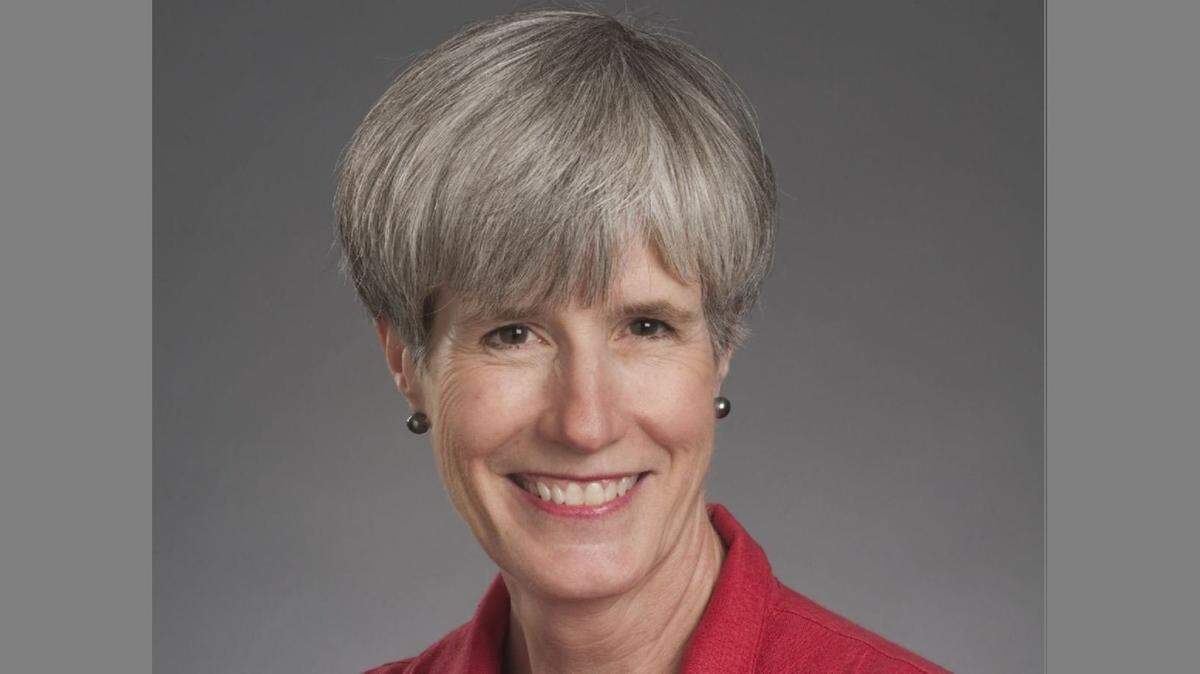
Nancy Napier is a Boise State University distinguished professor. nnapier@boisestate.edu
This story was originally published December 8, 2020 at 5:00 AM.