
We argue more. We agree less. Don’t look to national or world politics for solutions
What gives? Why does it seem we are arguing more and reaching agreement less?
Well, it’s a presidential election year. History has shown that debates heat up while these campaigns are in front of us. Add to this a significant health threat and the ensuing lockdowns, and it’s no surprise our conversations are more divisive.
For businesses, these disagreements are showing up in what economists have identified as policy uncertainty. The Global Economic Policy Uncertainty Index maintained by researchers at the University of Chicago, Northwestern and Stanford spiked this year. Higher policy uncertainty is correlated with less business investment, more volatile stock prices, and slower economic growth.
The danger here may be that business managers are looking for policy certainty in the wrong place. Economic theory and analysis demonstrate that any social policy is best decided at the local, not national or global, level.
Adam Smith, known as the father of modern economics, demonstrated that the national economic policies of his day — mercantilism and agricultural/land programs — did not create wealth. Only those nations that allow for decentralized and open markets can benefit from the productivity-enhancing division of labor that raises the standard of living for everyone.
In the 20th century, economists from what became known as the Austrian School showed that national policy-making suffered from a “knowledge” problem. Such efforts do not take advantage, or make use, of the very specific information that only the “man on the spot” can know. Broad initiatives are therefore doomed to failure.
Even more recently, scholars studying what is called Public Choice Economics have demonstrated that the most effective policy decisions are made at the most immediate or local level. This analysis makes use of a principle of Catholic social teaching known as subsidiarity. Local decisions are more likely to be just and fair.
The implication of all this work is that we should not expect to come to agreement on any national economic or social policy. We are going to continue arguing and experience a more volatile economy if we try to reach a broad national or global consensus on any issue.
It’s been said all politics is local. Perhaps we should keep our conversations there too.
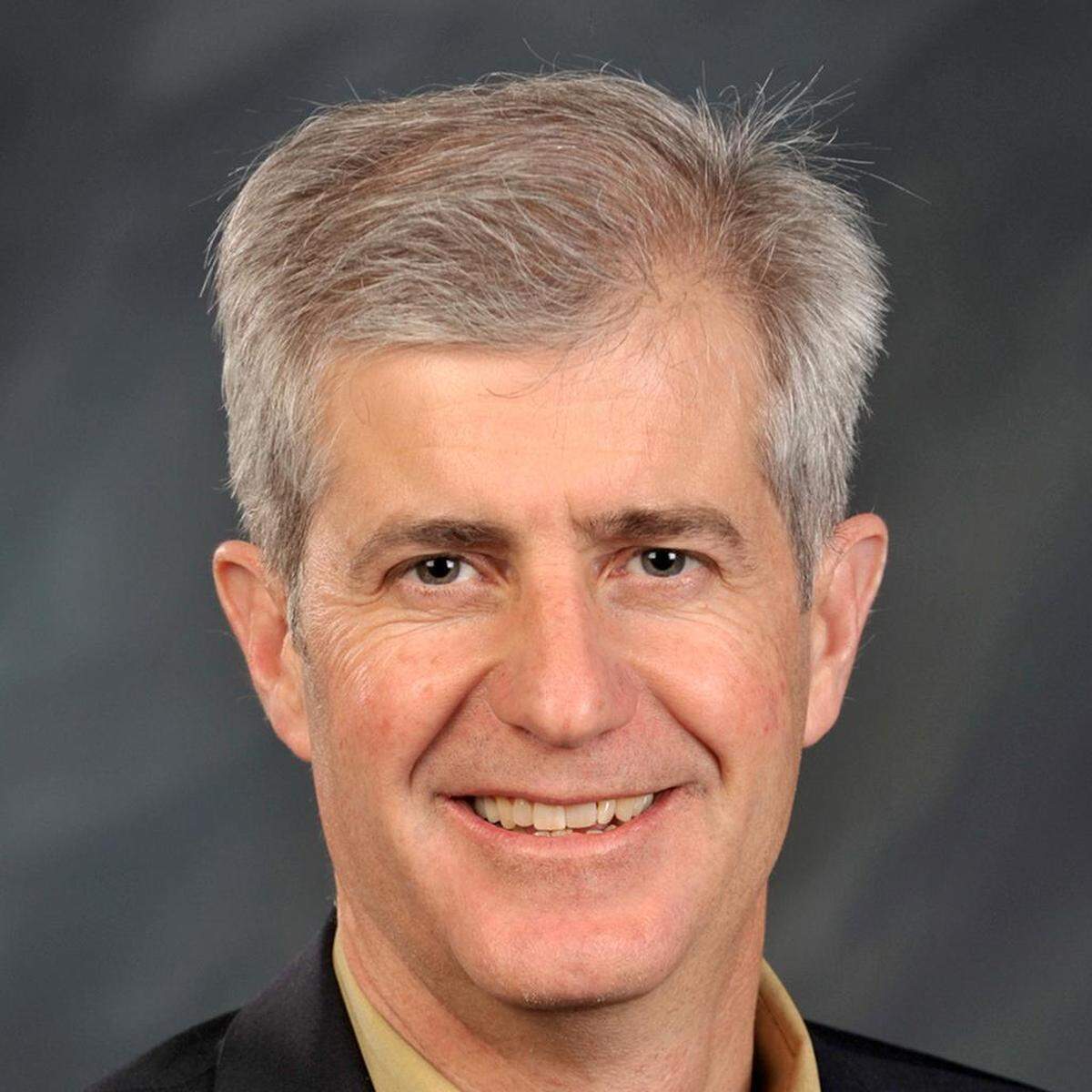
Peter Crabb is a professor of finance and economics at Northwest Nazarene University in Nampa. prcrabb@nnu.edu
This story was originally published July 13, 2020 at 4:00 AM.