
The lesson of Theranos and WeWork: We can be duped when we seek something to believe
What do Theranos, WeWork, and a recent story about a mother and two adult children who lived in a railway station and then in a jungle, have in common?
Hubris, to be sure, but I think these stories also play into our desire for something to “believe” in, something that seems to defy logic but has appeal. Or maybe, it’s the ability of people to persuade others very well.
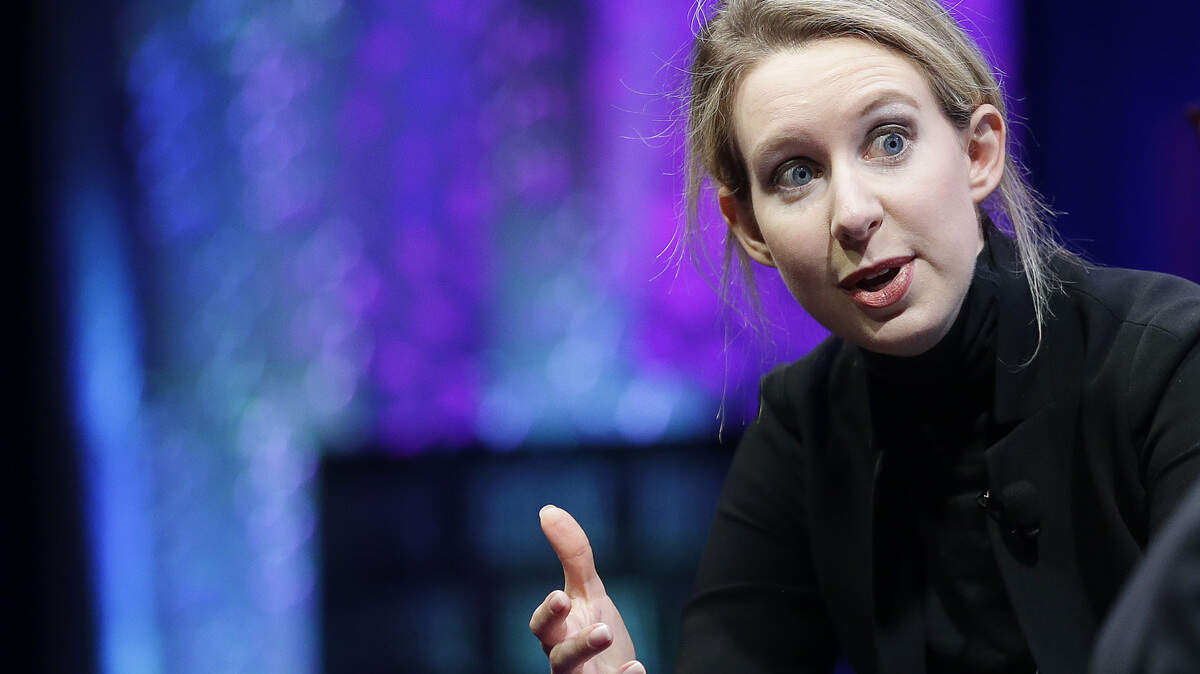
The story of Silicon Valley darling Elizabeth Holmes and the blistering rise of her firm Theranos reads like a fabulous rags-to-riches story until the underside begins to peak out. The book “Bad Blood” and documentary “The Inventor” about CEO Elizabeth Holmes are fast becoming business school case staples. Holmes had a terrific idea — technology that could give all sorts of information about diseases from a small pin prick of blood — that was appealing and easy to grasp. Alas, it also didn’t work. She built a (what we learned later was quite gullible) star-studded board of directors, garnered investment that any start up could envy, and yet, crashed hard in the end.
WeWork, likewise, was initially seen to be a potential giant in its IPO. It also had investors and users who were enthusiastic and a CEO who was charismatic (like Holmes), someone people wanted to be around. Again, as we have watched the story unfold in recent weeks, that same CEO was booted from his firm and the company lost most of its value.

In the final example, a recent New York Times story, “The Jungle Prince of Delhi,” tracks the bizarre story of a family that claimed to be royalty and lived for a decade in a train station and then in a dilapidated former palace outside of Delhi in India. A mother and her two grown children — who called themselves Prince Cyrus and Princess Sakina — built a heart-wrenching story, a fantasy, about having been driven from their palaces by the British and forced to live in isolation. As I read, I was hooked. I wanted the family to survive and thrive.
It would make a blockbuster film had the story not been fabricated. The three left their home, and their civil-servant husband and father, and reinvented themselves in another city. Over time, the intrigue and mythology surrounding the three grew, in part because they slowly leaked out information (their own stories) to foreign journalists. The Times story’s twists and turns made me feel like I’d been sucked in (just as with Theranos and WeWork), because I wanted to believe something that was not what it seemed.
My reaction to these stories went in two directions. In the end, I felt duped. But before that, I wanted to believe all three, because they made me cheer for an underdog.
Is that dangerous? If we look for something to “believe in,” might we let logic slip, because of the wish to see something good, positive, that is in reality false? Without becoming cynical, how can we bring stories into our worlds without being duped?
As I go into 2020, I’ll work on that thought for a bit.
Nancy Napier is a Boise State University distinguished professor. nnapier@boisestate.edu