
NIMBY no more? Boise-area housing groups say ‘Yes in God’s backyard’
AI-generated summary reviewed by our newsroom.
- Housing advocates are working with churches to address affordability.
- Idaho Legislature did not advance a bill that would have cut red-tape for ‘YIGBY’ homes
- Partnerships are part of a growing trend to use surplus church land for housing.
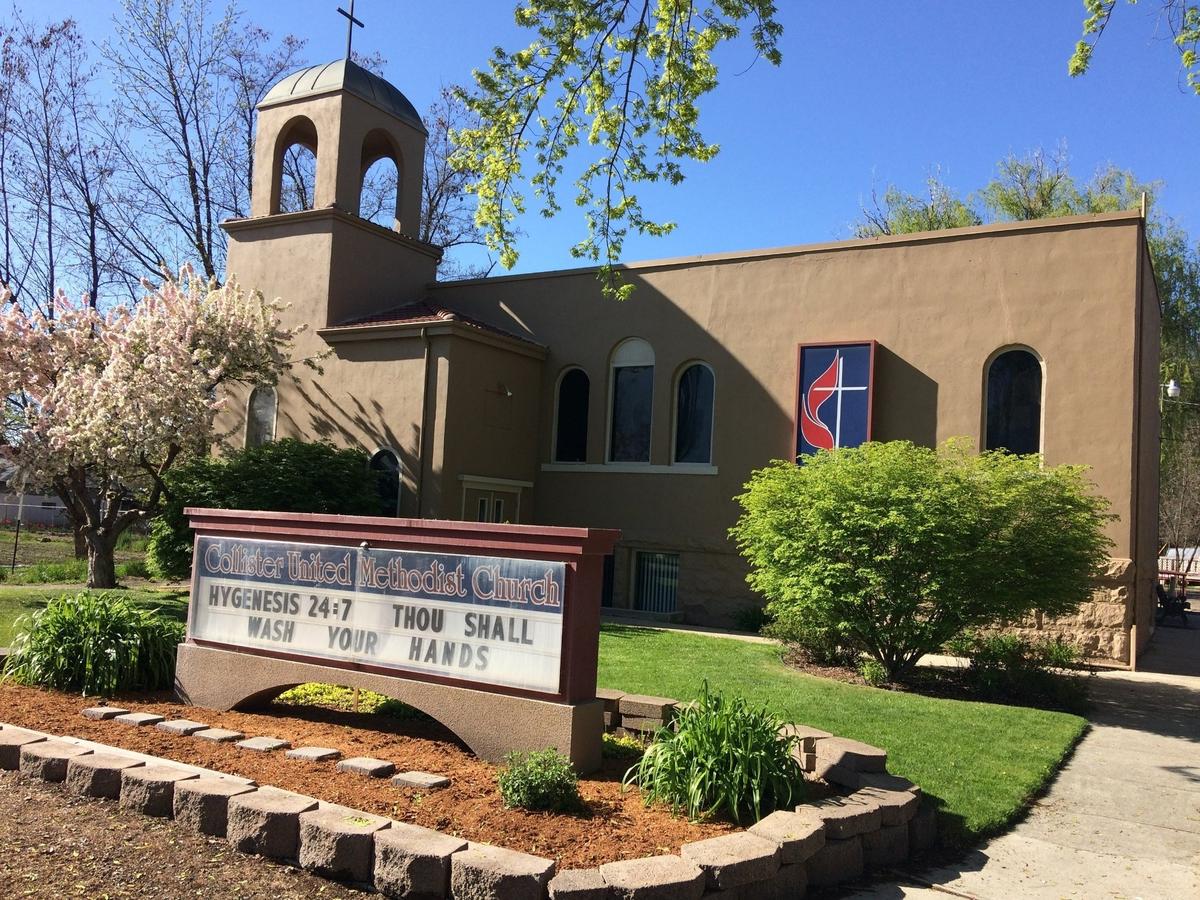
For 100 or so years, the Collister United Method Church considered what it might do with its acreage off of Taft Street in Boise. It might become a park, maybe a parsonage. Still, it was just sitting there, studded with goatheads and growing more gnarled by the year.
Collister’s congregation is small, maybe 50 people on a Sunday. It couldn’t afford a full-time pastor, which is how Joe Bankard, a philosophy professor at Northwest Nazarene University, wound up preaching before the pews, and making a list of what the land could look like.
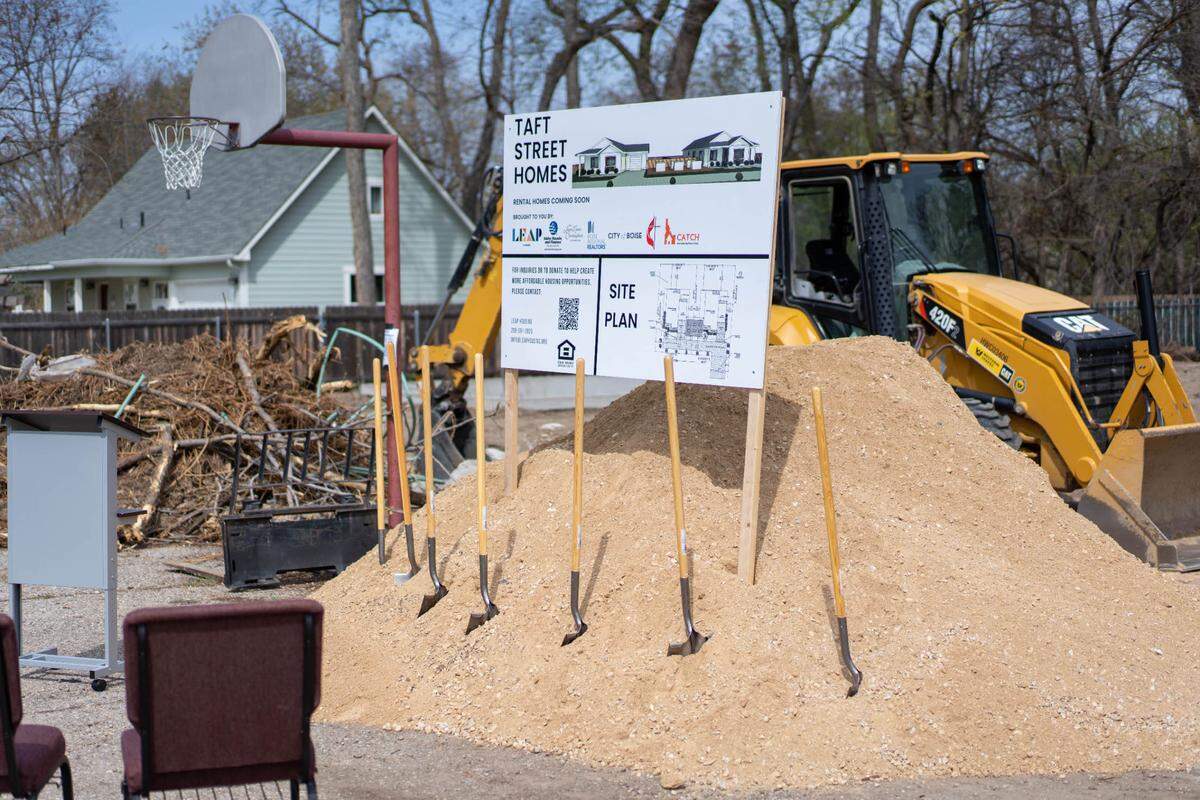
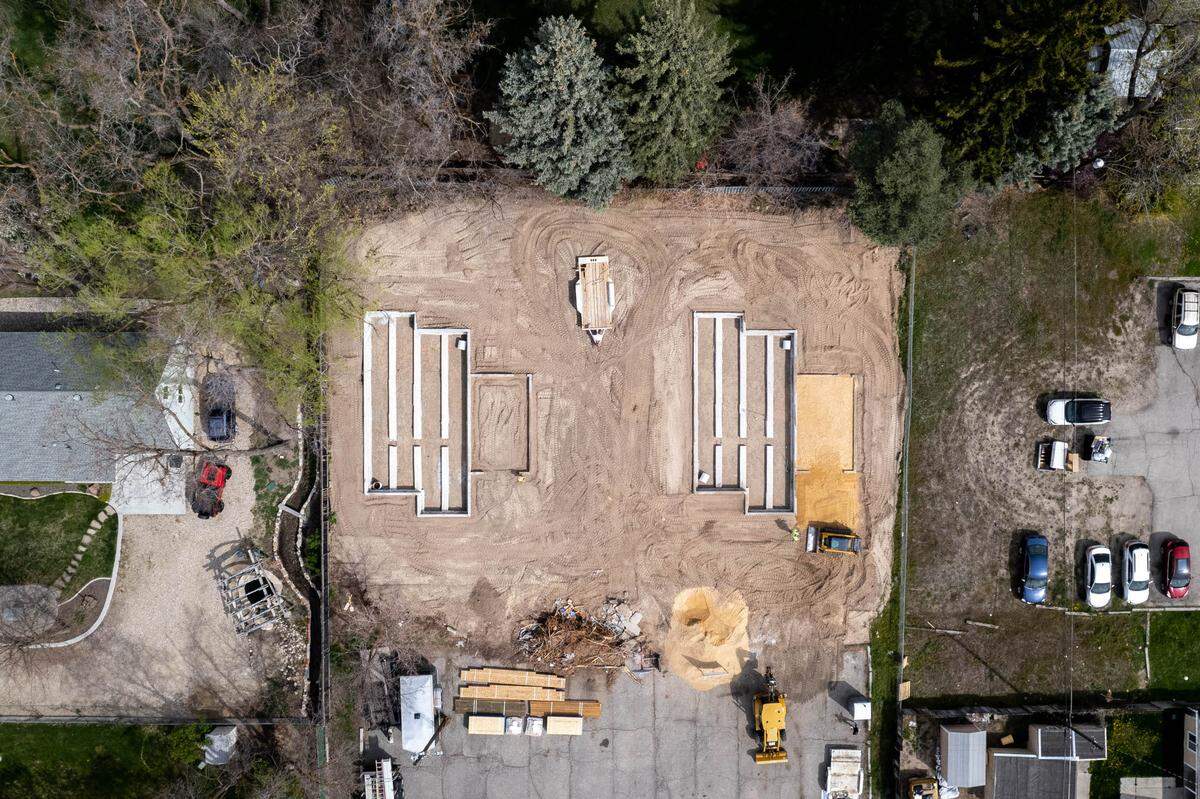
And that’s how the part-time pastor met Leap Housing founder Bart Cochran, the man who is now his boss at the affordable housing nonprofit. Collister United Methodist leased Leap the land at a dollar a year for 50 years. Leap raised the money and built a pair of homes on the Taft Street lot behind the church. Today, two families earning 30% or less of Boise’s area median income — $33,200 for a family of four — lease the homes behind the church. And Bankard is leading other religious organizations through the process of building homes as Leap Housing’s “YIGBY” Coordinator — “Yes in God’s Backyard.”
The Taft houses finished in 2022, four years after the church approached Leap for help.
“You can’t find a person at Collister that thinks it’s the wrong decision,” said Bankard, who still attends the church. “For an older congregation, you see hope. You see families building their futures.”
These days Bankard’s job is to convince other religious institutions to do the same thing. The process is slow, but gaining steam — and powerful allies — as part of a nationwide movement rallying religious institutions to transform un- or under-utilized land into affordable homes. Nearby, Washington, Oregon and California have each passed laws to either incentivize housing on religious land, or allow faith-based organizations to do it by right. And last session, Idaho made its first gestures toward doing the same. Coeur d’Alene Republicans Sen. Ben Toews and Rep. Jordan Redman co-sponsored House Bill 801, which would have allowed religious groups to build multi-family and mixed-use developments by right, bypassing most local restrictions.
The bill would have allowed for “ministerial approval,” and preempt cities “from imposing discretionary zoning barriers, excessive dimensional standards, or mandates that deter religious institutions from providing housing to families in accordance with their missions,” according to the legislation’s statement of purpose. It would not have applied to homeless shelters.
That bill stalled in the House Business committee and never received a vote on the floor. Toews and Redman did not immediately respond to requests to discuss the future of the bill.
Still, Bankard sees momentum heading into the next legislative session, as well as around the Treasure Valley.
“A lot of churches that show interest have the mindset of, ‘What we have is God’s — how can we be a good steward?’ ” Bankard said. “I show them that you don’t need to recreate the wheel — and you don’t need to do it on your own.”
Patience key to ‘YIGBY’ plans
Leap’s partnership with the Collister congregation emerged early in the modern “YIGBY” movement. As policy, the first ordinance opening up church land for housing dates to 2019, when San Diego’s Claremont Lutheran Church championed the first “Yes in God’s Backyard” law, according to Madeline Johnson, program director of the University of Notre Dame’s Church Properties Institute. Since, 10 states have passed or proposed similar legislation, Johnson wrote in April.
“Faith-based organizations have obvious appeal as protagonists in addressing the housing crisis,” Johnson wrote. To her, churches are well-positioned to overcome common barriers thwarting affordable housing: They tend to have land in prime locations; they aren’t motivated by profit; and they often carry sway and goodwill in the community to gain exemptions to restrictive zoning.
In the Boise metro, the first is particularly true, according to Brian Woodward, Leap’s chief operating officer. A cursory study of religious land found 180 open acres in the Treasure Valley, about as much land as the central core of Boise State’s campus. And there’s probably more, he said.
Partnerships with churches also help with financing. Idaho is one of the few states that doesn’t put state funding toward affordable housing, meaning groups like Leap depend heavily on federal and city money. Most of those programs score applications on a rubric; if a church directly contributes land, or offers a discount, projects earn higher scores, Woodward said.
“There’s enough land in Idaho to solve this,” Woodward said of the housing shortage. “Capital is the actual need.”
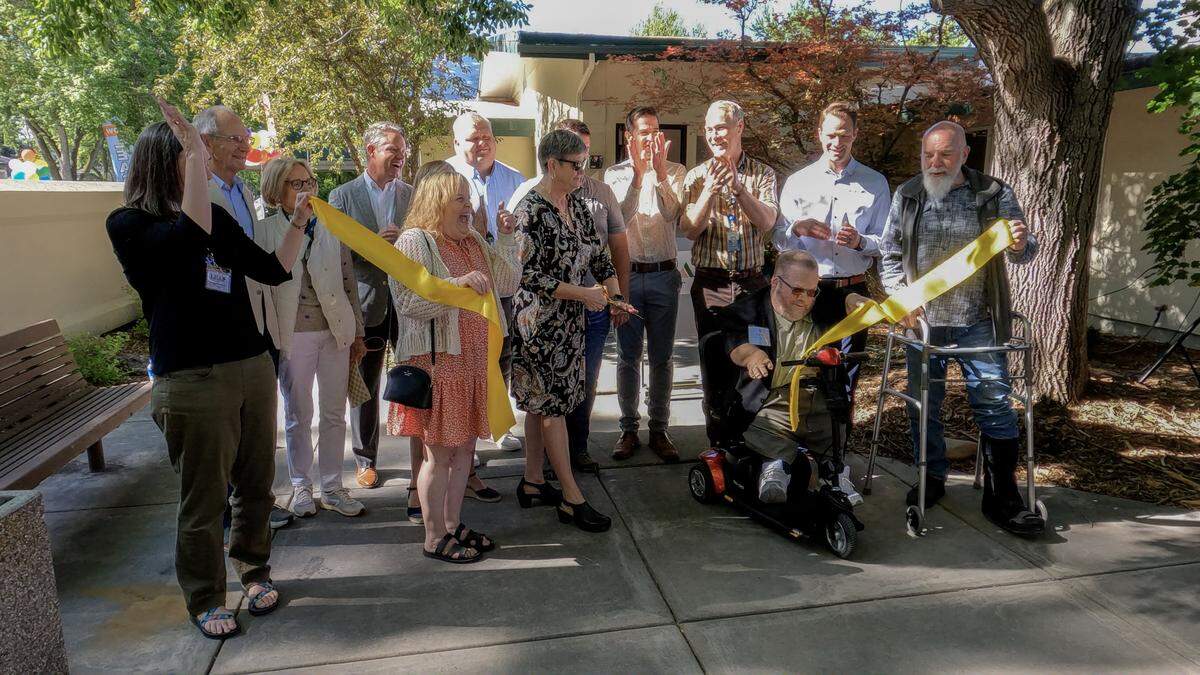
He has worked with religious institutions on a handful of projects, ranging in size from the two-home Taft Street development to nearby Sycamore Commons, a one-time Lutheran nursing home that Leap is turning into 83 affordable senior apartments. They’ve had one thing in common, he said: patience — from Leap, and the churches involved.
“It’s not like a normal development, where we get the land, and we do what we want,” Woodward said. “It has to be feasible — and it has to be something the church can be proud of.”
Different denominations are governed differently, and have their own bureaucracies to navigate. Each has different needs and goals. The two houses on Taft Street took four years — a delay no for-profit developer would stomach. And for these projects, Leap often relies on a “seller carry” — basically a payment plan — as it puts funding together, something few private landowners would accept.
“It’s not one size fits all. There’s a lot of listening. It’s inefficient,” Woodward said. “What’s usual is that there’s nothing that’s usual. We have to do a custom approach, starting with their mission.”
Church-backed housing creates ‘hope and momentum’
As landlords, modern faith-based organizations must follow secular rules. They can’t require anyone to attend the church, or limit tenants to those who do. All anti-discrimination aspects of the Fair Housing Act apply to “YIGBY” properties, Woodward said, and applications for homes are considered as they’re received and vetted.
But churches “have been part of housing solutions for a long time,” Bankard said, from parsonages and rectories to shelters and second-chance homes.
He’s optimistic that the Legislature will push a “YIGBY” bill next session to give religious organizations greater leeway to take on affordable housing at scale.
“Look at our neighboring states, and how much money they dedicate to affordable housing. Then look at Idaho, it’s zero,” he said. “Faith communities are trying to solve a statewide problem using their own resources.”
Seven days a week at Collister, the two homes where the weeds once were are a helpful reminder.
“It creates hope and momentum,” Bankard said. “What we do matters. What we do does make a difference.”