
‘Do it right’: Land for divisive 3,500-home subdivision now in city of Boise
AI-generated summary reviewed by our newsroom.
- City Council annexed 381 acres and approved the specific plan for 3,500 homes.
- Staff projected multi-million deficits over 30 years as revenues lag expenses.
- Council added 17 contingencies, requiring $6.5M mitigation, housing and road fees.
Boise grew by 381 acres after the City Council completed the annexation of Ada County land earmarked for the controversial 3,500-home Murio Farms subdivision, finalizing the decision despite warnings of traffic congestion from highway officials and predictions from staff that the expansion could cost the city millions in the decades ahead.
The unanimously approved third reading of the annexation ordinance brought the land out of Boise’s area of city impact and into the city limits. The council also adopted the specific plan for the site, clearing the way for the long-planned community to enter its first phase of development.
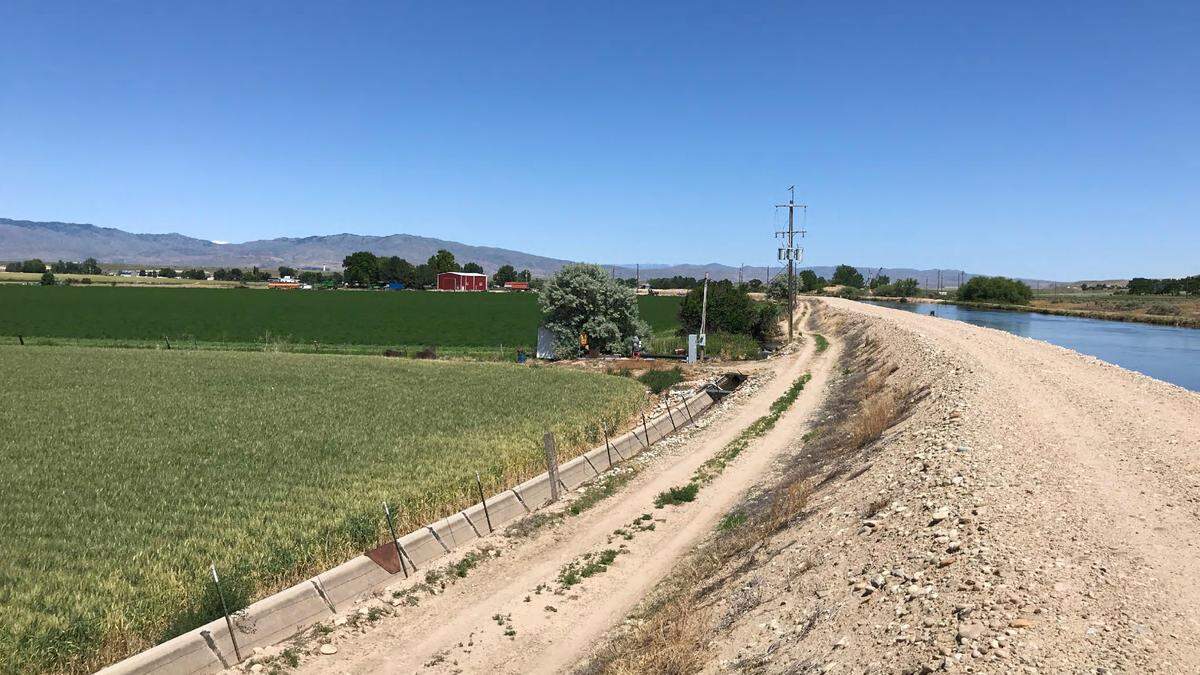
The property sits southwest of the Boise Airport and just south of Lake Hazel Road, between South Cole and South Maple Grove roads.
A representative for The Land Co., a design consulting firm that is listed as the applicant and contact on city filings, declined to comment on the next steps in the building process.
First put forth in 2021 by the Murgoitio family, which owns the bulk of the former dairy land, and Meridian-based builder Don Hubble of Hubble Homes, the development envisions 1,800 single-family residences and 1,700 apartments — plus 95,000 square feet of commercial space, parks and eventually an elementary school — built over a 20-year span.
The City Council initially approved the annexation of unincorporated county land for the development in a 4-2 vote last November, with Jimmy Hallyburton and Meredith Stead voting against the project.
Those dissents built on opposition from Planning and Development Services Department staff that estimated the city would run a seven-figure deficit as it stretched to provide services to the area, the Idaho Statesman previously reported. Twenty years into the build-out, revenues — primarily property taxes — are projected to raise $7.5 million against $8.7 million in expenses, city spokesperson Maria Ortega told the Statesman this week.
In years 21 through 30, revenues are projected to reach $8.6 million, failing to keep pace with $10.6 million in municipal expenses, she said.
“Additionally, the proposal is not in the best interest of the public’s general welfare since it is not financially feasible for the city,” Senior Planner David Moser wrote in his report for the council last year.
The Ada County Highway District, meanwhile, forecast “significant traffic congestion” if the development advanced as planned, according to an impact study filed last year, stating that it had “significant concerns regarding the impact of such growth on the existing community.”
Supporters advocated for bringing the land into Boise so the city could guide development, rather than dealing with the impacts if it were built in a different jurisdiction.
Facing the projected deficit, the council added a litany of contingencies, many to offset the development’s anticipated costs. The 17-item list spells out fees ($4.5 million in mitigation fees, plus $2 million toward the city’s Orchard Street realignment project and other impact fees); affordable housing requirements (3% of units will be affordable to residents making 60% of area median income or below); requirements for a fire station and school site; and benchmarks that must be met to trigger subsequent phases of the development.
Last week, Hallyburton remained circumspect, but said he and the council were “committed” to making the development work for future residents and neighbors.
“If the application came in front of us today, I’d probably be voting the same way,” Hallyburton said. “But now I find it important to make sure that as we develop this, it’s important that we do it right. I’m committed to making it the best that it can be, both for the development and the neighbors around those areas.”
Said Council President Colin Nash: “I don’t think this will be the last time we hear from Murio Farms, given the size of this development.”
This story was originally published November 5, 2025 at 1:52 PM.