Albertsons reports quarterly profit losses, predicts inflationary cost increases ahead
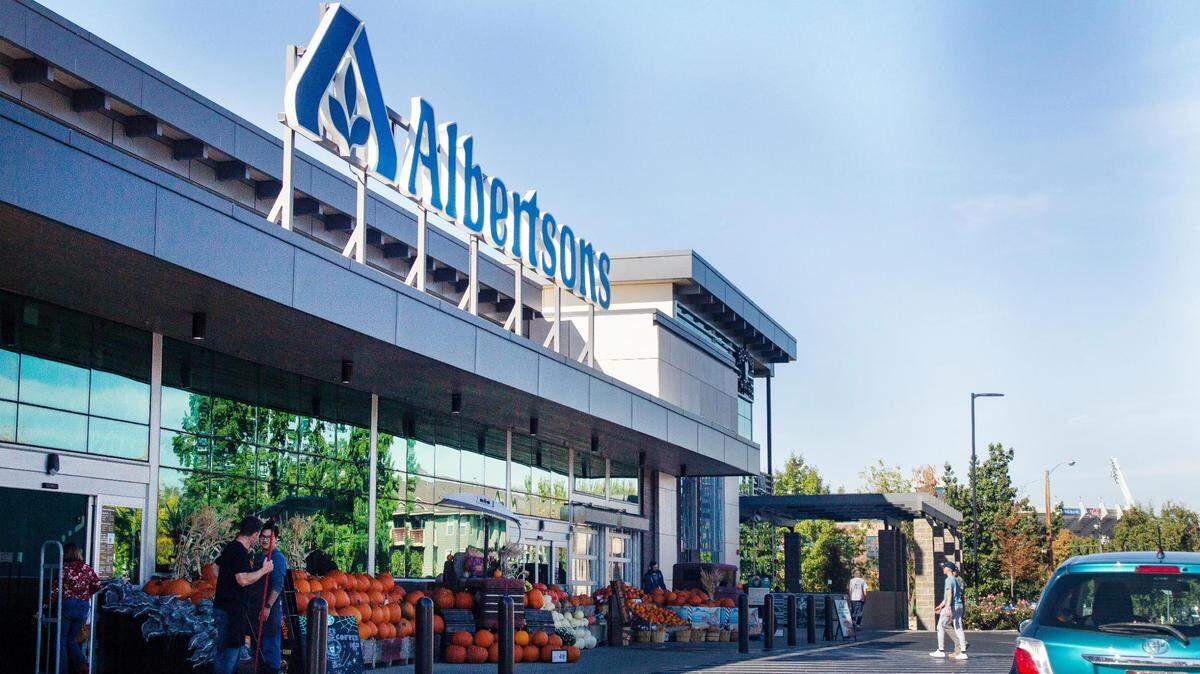
Albertsons posted a profit loss in its latest quarterly earnings results this week.
The Boise-based grocer reported sales of $18.3 billion during the 12 weeks that ended Feb. 25, up from $17.4 billion the same quarter a year ago.
But its quarterly profits, at $311.1 million, or 54 cents per share, fell 31.6% from the same quarter a year ago.
The company’s gross margin also slid to 27.8%, partly because of decreases tied to fewer COVID-19 vaccinations at its pharmacies. Albertsons also reported increases in product, shrink, supply chain and advertising costs, as well as in picking and delivery expenses related to a growing number of digital sales.
Digital sales rose 16% for the quarter.
Albertsons CEO Vivek Sankaran said in a news release that the business is preparing for a more difficult consumer environment, and is expecting significant labor investments and inflationary cost increases.
“We believe we are well-positioned to drive top-line growth by deepening relationships with our customers even as inflation continues,” Sankaran said. “However, we also believe that the economic backdrop is uncertain and is likely to be more challenging later in the year.”
Albertsons is the second-largest U.S. supermarket and operates chains under banners such as Safeway, Haggen, Jewel-Osco and more than a dozen others. It has more than 2,200 stores across 34 states and the District of Columbia.
Executives at Albertsons and its rival Kroger announced in October plans to merge the two grocery retailers in a $25 billion deal that would pay all shareholders about $34 a share.
Leaders of the two companies have said the deal would be beneficial, rather than harmful, to consumers.
Legislators showed bipartisan opposition to the companies’ proposal at a Senate Judiciary Subcommittee on Competition Policy, Antitrust and Consumer Rights hearing in November, questioning how further consolidation of the supermarket industry could lower prices and improve service.
If the deal is approved by the Federal Trade Commission, Kroger CEO Rodney McMullen said, no stores, distribution centers or manufacturing facilities would close, and no “front-line” workers would be laid off.
This story was originally published April 14, 2023 at 9:20 AM.