
‘You don’t want it to be your store.’ Worker fears for job if Kroger, Albertsons merge
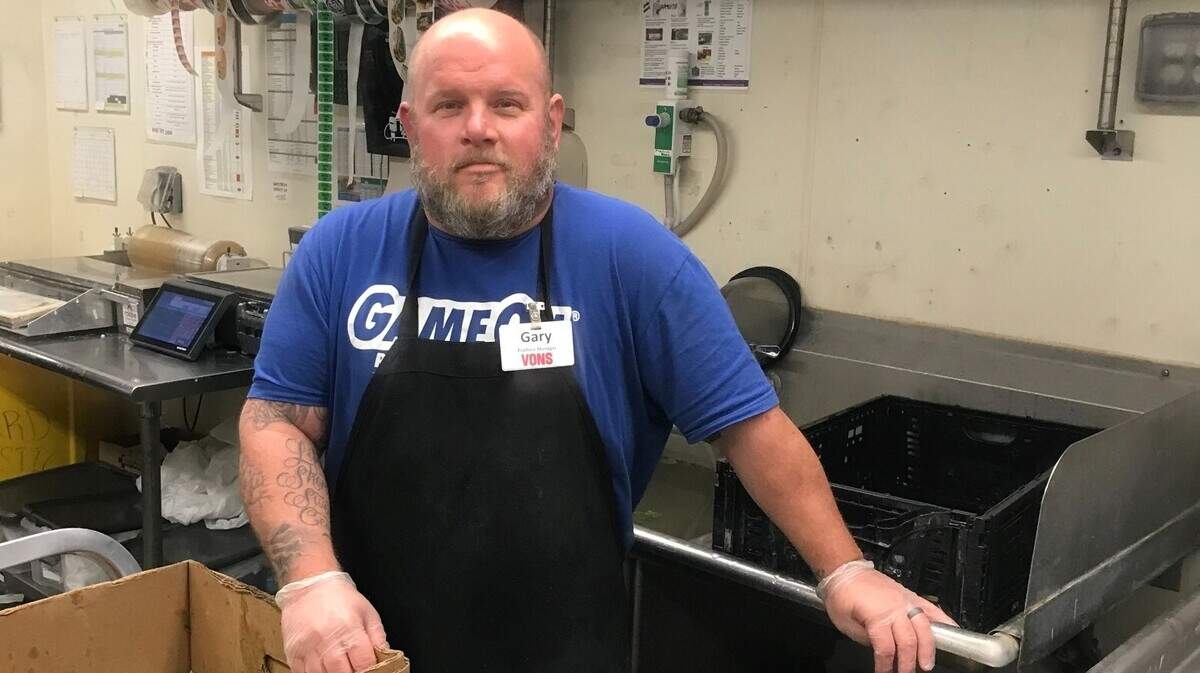
Gary Renner knows how mergers can end.
The 47-year-old lost his produce manager job at Albertsons after the Boise, Idaho-based supermarket company merged with rival Safeway in 2015. Renner said he and his colleagues had to go out and find new positions on their own. He found a job the day before his store shuttered, but had to give up his manager status, take a paycut and work nights. Many of his colleagues couldn’t get rehired.
“It was horrible,” Renner said. “Absolutely horrible.”
That was the first thought on Gary Renner’s mind when he learned that supermarket giants Kroger and Albertsons planned to merge.
“Oh boy, here we go again,” he said.
With these memories still fresh, the Kroger-Albertsons announcement on Oct. 14 ago came as a shock, especially to employees like Renner, who’ve made solid careers out of grocery work. He never intended to be a lifelong grocer when he took a part-time job as a stocker at age 18, but his grandfather worked as a produce clerk in Las Vegas and encouraged him to stick with it.
Chains say they may sell 100s of stores
Kroger, based in Cincinnati, and Albertsons said they intend to sell off between 100 to 375 stores. The two chains operate several brands familiar to California shoppers — Kroger has Ralphs, Food 4 Less and Foods Co., while Albertsons owns Vons and Pavilions in addition to Safeway. (In Idaho, Albertsons owns and operates stores under its own banner, and Kroger owns and operates Fred Meyer.)
Renner worries that history could repeat itself if his store, a Vons in Whittier, gets put up for sale or closed down.
“I’ve got 27 years in – I gotta work at least another 10 more years to be able to retire.”
When Albertsons bought Safeway, based in Pleasanton, California, in 2015, the newly merged company agreed to sell off or close 168 of its stores to appease federal regulators. Of those locations, 146 went to a small Washington-based grocer called Haggen.
At the time, Renner worked as a produce manager at Albertsons in Tujunga, about a 40-minute drive from his home in Covina. He put in 40 hours a week and made a solid wage around $18 an hour. He even had good vacation and retirement benefits thanks to his seniority.
After the merger announcement, the store managers gathered Renner and his colleagues to break the news: Their store was getting sold to Haggen. Workers had two choices: find a new job within the Albertsons chain, or stick around as their store transitioned to the new owner.
“They said everything was going to stay the same – benefits, hours, vacation. So for the majority, everyone was on board, we were cool with it,” Renner said.
Worker lost full-time status, became part-time
Six months later, Haggen demoted all full-timers to part-time status to cut costs. Renner went from 40 hours a week to somewhere between 24 and 30 hours. Two months after that, the company declared bankruptcy.
Renner and his colleagues were told that if they wanted to go back to Albertsons, they’d have to find open positions on their own and submit applications, even though they’d previously worked for the company.
“I was literally driving around to every store possible, Albertsons and Vons, looking for a new job,” Renner said.
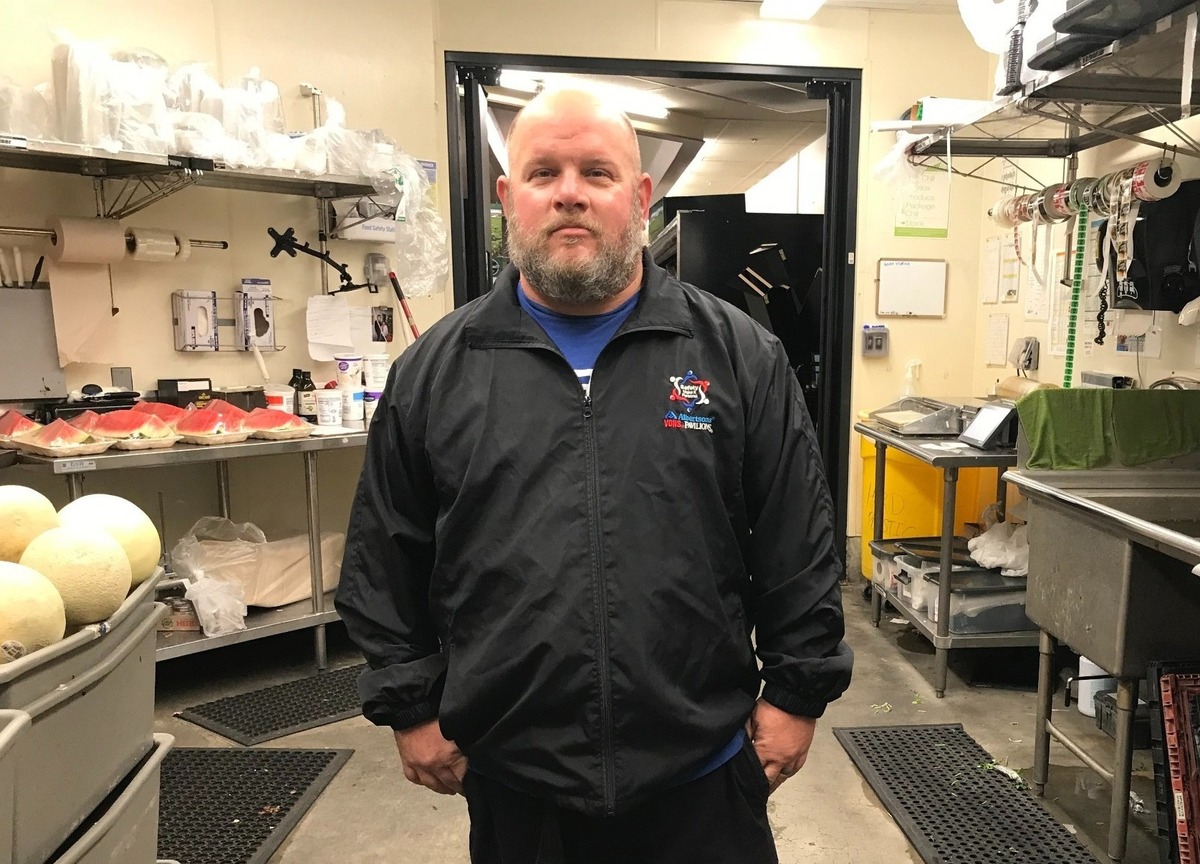
On the last day his Haggen store in Tujunga was open, Renner received an offer to work as a produce night clerk at the Vons in Whittier.
Since he lost his manager status, he’d take a pay cut of about $1 an hour and have to work nights. Thankfully though, he kept his seniority, pension, health insurance and vacation. Some of his colleagues had to settle for much lower-paying positions just to get jobs, he said. Some didn’t get rehired at all.
“It worked out OK for me, but it didn’t work out for a lot of people,” Renner said.
Some elected officials, union leaders and community advocates have criticized the merger, warning it will cost workers their jobs and lead to higher prices and potential food deserts for consumers.
On Wednesday, California Attorney General Rob Bonta joined Idaho Attorney General Lawrence Wasden and counterparts from three other states and the District of Columbia to demand that Albertsons halt a planned $4 billion dividend to shareholders, scheduled for Nov. 7.
The companies don’t expect the deal to be finalized until 2024, suggesting a lengthy approval process.
Idaho Statesman Business and Local Government Editor David Staats contributed.
This story was originally published November 1, 2022 at 4:00 AM with the headline "‘You don’t want it to be your store.’ Worker fears for job if Kroger, Albertsons merge."