‘It’s been pretty unbearable:’ Renters with no air-conditioning struggled in hot summer
Lindsey McNeil sleeps with a table fan blowing directly on her face. Though it isn’t ideal, it’s her only option, because the four-bedroom home she rents heats up to 80 degrees in the afternoons, and doesn’t cool down much at night, with the air conditioning on.
This month, as Boise repeatedly reached temperatures of 100 degrees or more, it set a record with 21 such days so far in 2022, the most of any year in recorded history.
Residents in cities like Phoenix and Las Vegas that are used to high-temperature summers typically have homes with central air conditioning, but it is less widespread in Boise. Some Boise residents, particularly renters like McNeil, are complaining of air-conditioning units that don’t function well in the hottest weather. Data shows many homes in the Mountain West don’t have air conditioning at all.
McNeil had an air-conditioning repair service visit her home twice this summer to fix the house’s central air conditioner. The first time, the repairman told her that the unit was built for temperatures of 93 degrees and lower.
“I understand it’s working, but we’re just experiencing way too much of a heat wave in the state that it just can’t keep up,” McNeil said by phone.
Tenants battle rising temps. Power bills rise
Federal data from the U.S. Energy Information Administration show that in 2015, more than 20% of homes in the Mountain West did not use air conditioning. In the hot summer months, not having air conditioning can be dangerous to elderly and disabled individuals.
The Centers for Disease Control and Prevention reported that each summer, an average of 618 people die in the United States because of extreme heat. Older people, children and people who work outside are most susceptible to heat-related illnesses, according to the CDC. The agency suggests staying in an air-conditioned area can help prevent these illnesses.
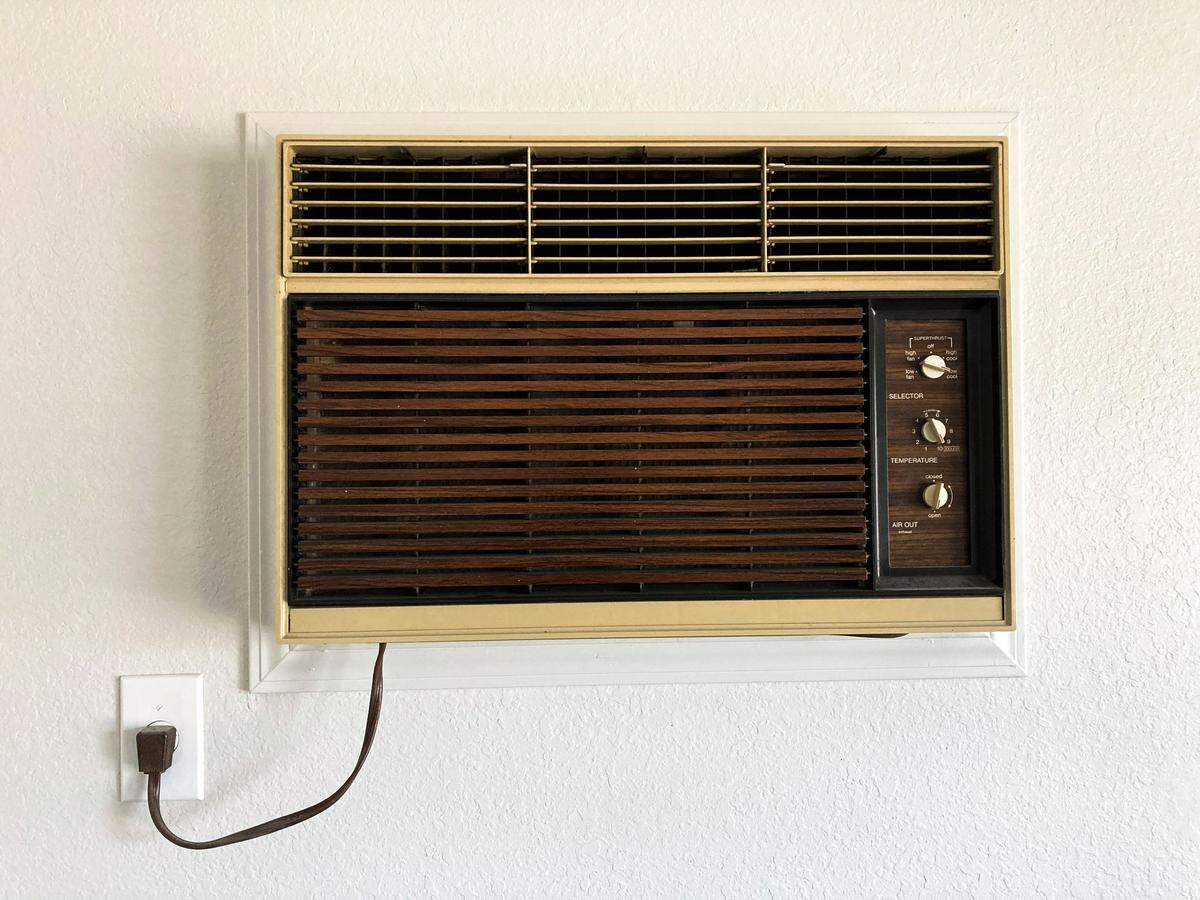
For McNeil and her husband, the underpowered air conditioner isn’t dangerous to their health, but it is uncomfortable and expensive. Their air-conditioning unit doesn’t get their home below 80 degrees during days with a high of 100 degrees, yet she is going to be paying 25% more than she is used to paying for power, McNeil said.
“We’ve done a lot more eating out, because we don’t want to turn on our gas stove,” McNeil said. “We do have about six box fans, one in each room, pushing over each vent just to blow that extra little cold air.”
All of the fans take a toll too, she said. Their rooms are stuffy, and they wake up with dry skin and throats.
Chloe Sallabanks lives on the Boise Bench with her partner in a two-bedroom duplex rental. They don’t have central air conditioning. They rely on one window unit that cools just the room it is in.
“Unless you’re sitting in the living room, right in front of air conditioning, it’s pretty hot,” Sallabanks said, by phone.
This year, Sallabanks is running into another problem: When she leaves her window unit “cranked,” it will trip the circuit breaker.
“I don’t know if it’s just the record-breaking temperatures or how old it is,” Sallabanks said, “I am constantly playing a battle of how low can I have it and for how long. It has definitely been a hot summer, and it’s been pretty unbearable.”
Tenants can sue for broken air conditioning
The Intermountain Fair Housing Council, a Boise nonprofit organization that fights housing discrimination, has cases this summer that involve a lack of air conditioning needed for people with disabilities, children and elderly people.
Anna Marie Young, a case manager and investigator, said the council can file complaints called reasonable- accommodation requests with landlords on behalf of clients who are disabled. It can also file a federal fair housing violation against a landlord if a client falls into one of the protected groups by the fair housing act: race, color, sex, religion, national origin, familial status, sexual orientation, gender identity, a source of income, or disability.
Reasonable accommodation requests are filed with the landlord by the tenant or a legal representative. Fair housing violations are filed with the nearest U.S. Department of Housing and Urban Development office.
Otherwise, Young said the council refers people who are not in the protected groups to Idaho Legal Aid Services Inc., which handles legal civil matters for low-income individuals and seniors.
Even if a tenant does not fall into one of the protected classes, Young said it is a violation of Idaho law not to fix an air-conditioning system that is not working.
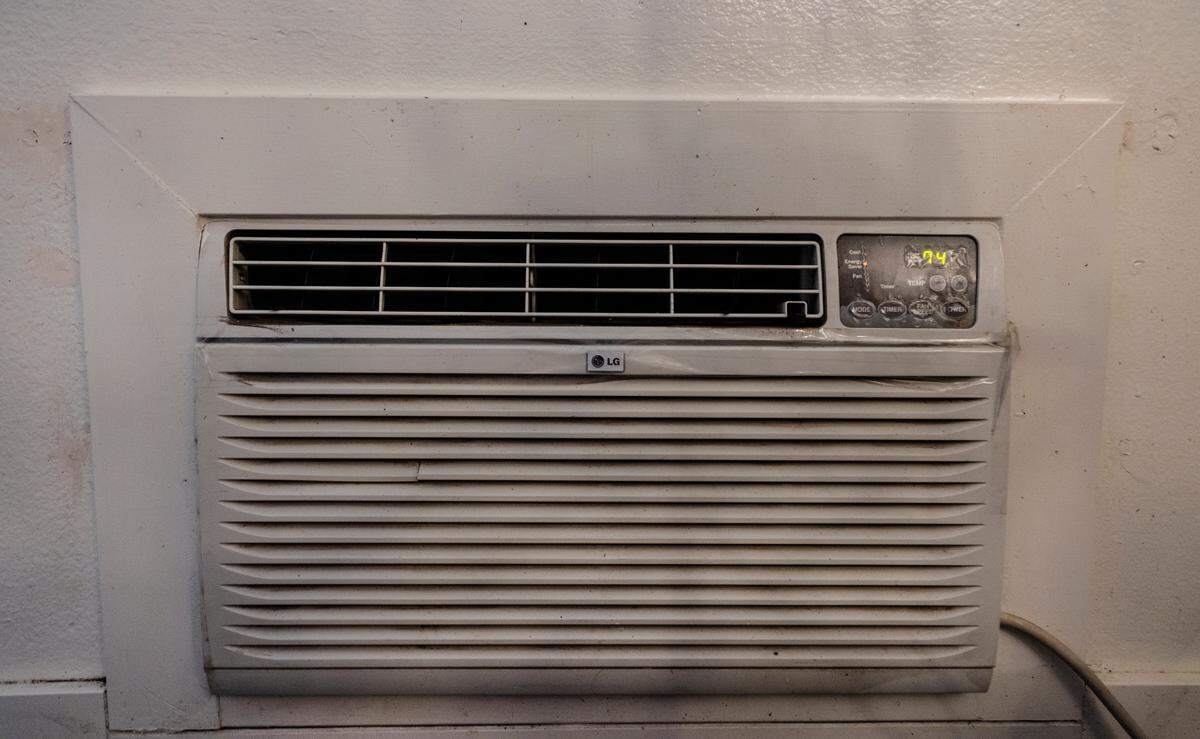
Idaho law says a tenant can sue a landlord for damages and specific performance for:
- Failure to provide reasonable waterproofing and weather protection of the premises
- Failure to maintain in good working order electrical, plumbing, heating, ventilating, cooling, or sanitary facilities supplied by the landlord
- Maintaining the premises in a manner hazardous to the health or safety of the tenant.
Young said she has six clients with air-conditioning problems, all elderly.
If a landlord does not have an air-conditioning unit in a property, it is not required to put one in to conform with Idaho law. Idaho’s building codes do not require that structures have air-conditioning, said Bob McLaughlin, spokesperson for the Idaho Division of Occupational and Professional Licenses.
If a structure does have an air-conditioning system, energy code requirements apply toN the sizing of the system based on the area it can cool.
Welcome, autumn
The end of summer is near, a little less than a month away. Sallabanks and McNeil say they will welcome the reprieve.
“We’re looking forward to fall,” Sallabanks said.
This story was originally published August 25, 2022 at 4:00 AM with the headline "‘It’s been pretty unbearable:’ Renters with no air-conditioning struggled in hot summer."