‘Querer es poder’: Home buyers struggle in Boise-area market. Here’s where Latinos stand
Diego Ayala wanted to make sure his family’s new house was everything his wife wanted. That’s because their last house, in the Islands subdivision in Nampa, was his dream house. This house, their second, was to be hers.
The Ayala family accepted an offer on their three-bedroom home and purchased a new home in March. The couple is among thousands of Latinos in Idaho who have recently purchased homes, despite the housing frenzy in the Boise area.
Nationwide, Latino home ownership has increased consistently since 2014. From 2020 to 2021 the rate of home ownership among Latinos was 48.4%, the National Association of Hispanic Real Estate Professionals reported. That is more than the previous year, when the rate was 47.5%, the association said.
In 2019, Boise was one of the top two fastest growth markets for Latino home buyers, meaning the areas had the highest percentage of Latinos entering the real estate market and buying homes. The fastest-growth market was Durham/Chapel Hill, North Carolina. Both cities had a year-over-year rate of over 40% Latino home ownership, according to the National Association of Hispanic Real Estate Professionals.
The National Association of Hispanic Real Estate Professionals just released its 2021 State of Hispanic Homeownership report. It said Idaho had the nation’s fastest-growing income increases among Latino households nationwide.
The report said the 2021 real estate market was difficult, with historically low inventory and high prices. Despite the challenges, Latinos were still successful in home ownership. The National Association of Hispanic Real Estate Professionals said high workforce participation, the drive of Latino youth to own homes, and an overall commitment from Latinos to attain home ownership were the driving forces.
According to the report, the Urban Institute predicts that Latinos will account for 70% of homeownership growth over the next 20 years. The National Association of Hispanic Real Estate Professionals warns that U.S. housing and home lending industries need to address the housing supply shortage to even the playing field for first-time homebuyers and people of color in order for Latinos to see that success.
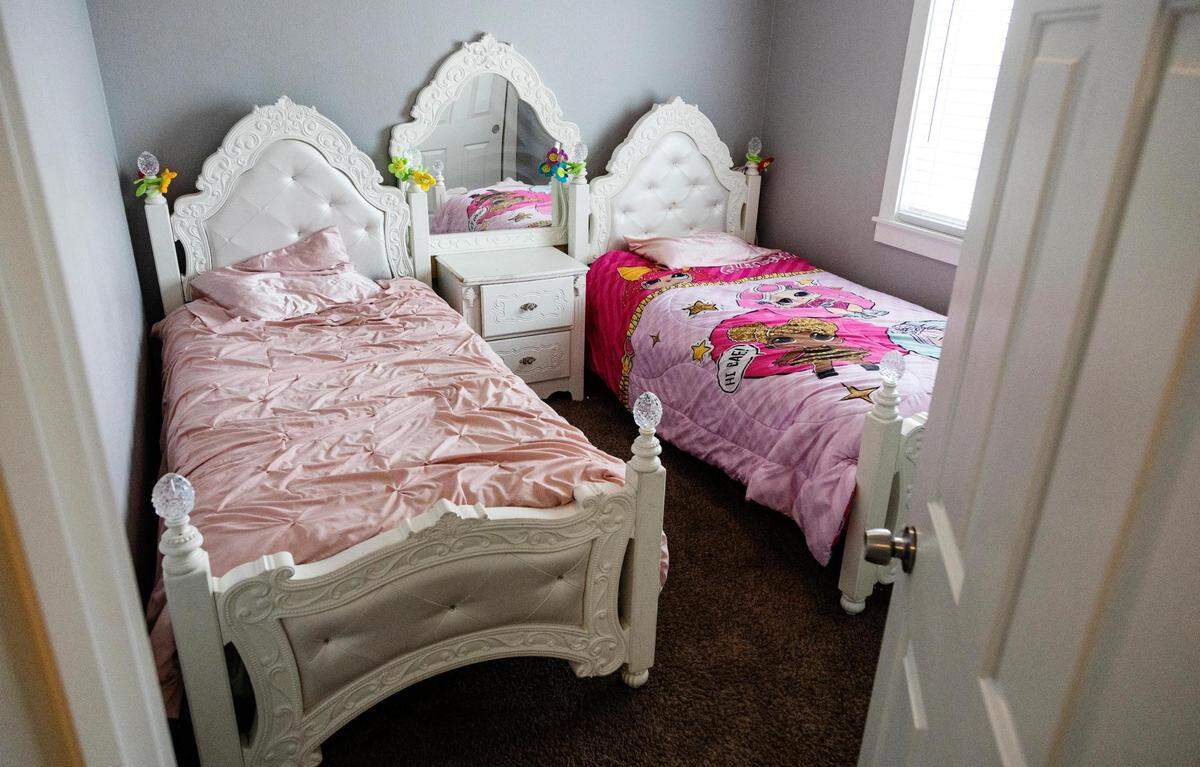
Anabel and Diego Ayala decided to move this winter because they wanted a bigger home with an extra room so each of their three daughters could have one. In their new, five-bedroom home, their daughters, Ailene, 17, Alexandra, 14, and Isabella, 8, don’t have to share a room.
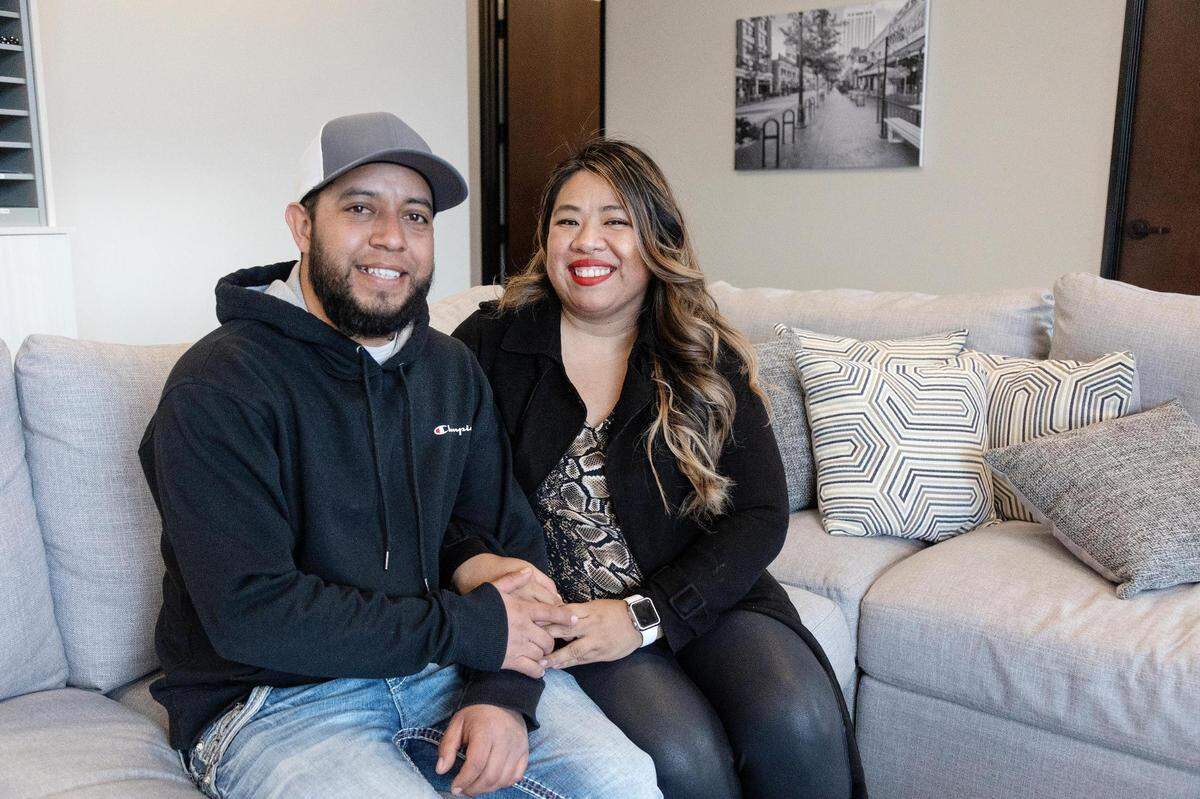
Anabel Ayala grew up in a trailer park in Nampa and didn’t want to raise her children in the same unstable situation, she said.
“Money was always an issue for us,” Anabel Ayala said in an interview with the couple. “We lived in a trailer and never moved out. I didn’t want to give my kids that. I wanted them to have stability, confidence, and to have their own room growing up.”
Anabel Ayala said her parents never thought that buying a home was something they could do. That is a barrier many Latino families face, said Erica Martinez, a mortgage loan officer for Idaho Central Credit Union and Re/Max.
First-time homebuyers struggle with where to start
Many first time home buyers struggle with where to get started and how to build credit, and they wonder if they even can work up to buying a house, Martinez said in an interview. About 99% of Martinez’s clientele is Latino, she said.
“We have a saying in Spanish, querer es poder,” Martinez said. “It means if you really want it, that is power. Your desire is the power to motivate you to get what you want.”
Before buying their first house, all the Ayalas thought they would do is pay off their credit-card debt and rent for the rest of their lives.
When their landlord, who was a real estate agent, asked them if they would be interested in buying, the same thought Martinez mentioned went through their minds: “Can we buy a house?”
It turns out, they could.
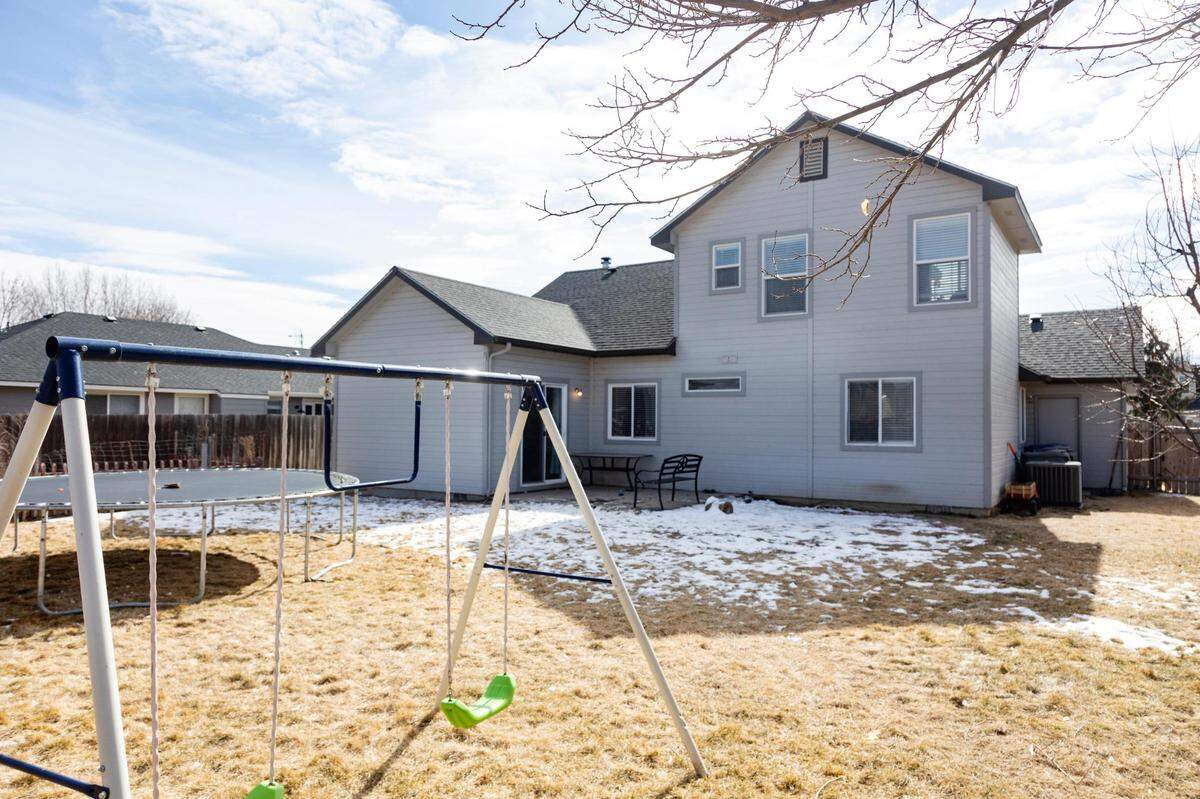
The Ayalas bought their new home for $539,569. They sold their old home for $404,000. The new home has 2,710 square feet and three bathrooms. Their old house has 1,494 square feet with two bathrooms.
Anabel Ayala works for AmeriBen/IEC Group, an insurance agency in Meridian, where she is a team lead. Diego Ayala works in construction. The couple said they felt lucky to have steady jobs that allowed them to buy a new home.
They moved into their first home five years ago. Diego Ayala says it had been his dream since he moved to Nampa to live in the Islands. Anabel Ayala remembered that every time someone from school lived in the Islands, it was “a big deal.”
The couple had thought they couldn’t buy a house because they had debt and bad credit.
“I think that is the hardest part, because if you have bad credit, you have to work to get out of it,” Diego Ayala said.
“But it is possible,” Anabel Ayala said, “because I had bad credit and we were paying off debt. And we bought a house.”
In March 2017, the couple moved in.
The growth of Latino homeownership comes after a year when the real estate market was expensive for low-wealth home buyers. Local real estate agent Monica Coronado, with Re/Max, said first-time home buyers and Latinos often just need a trusted agent to help guide them through the process.
Breaking down homeownership barriers
Denisse Macias is an agent for Berkshire Hathaway Home Services in Boise who sells real estate in Idaho and outside the U.S.
She said having agents who are fluent in English and Spanish helps break down the language barrier many Latinos may experience when starting the process of buying a home.
“One of the things that we realized is messages can be translated, but the public might not understand it,” Macias said by phone. “In Mexico, for example, most of the real estate transactions are handled by lawyers, not Realtors or the Realtors are involved in a short time. We need to make sure immigrants understand how the process works here.”
For the Ayalas, it was important this time around to have both a lender and real estate agent who spoke Spanish and English and Spanglish, slang for mixing words in both Spanish and English in a conversation.
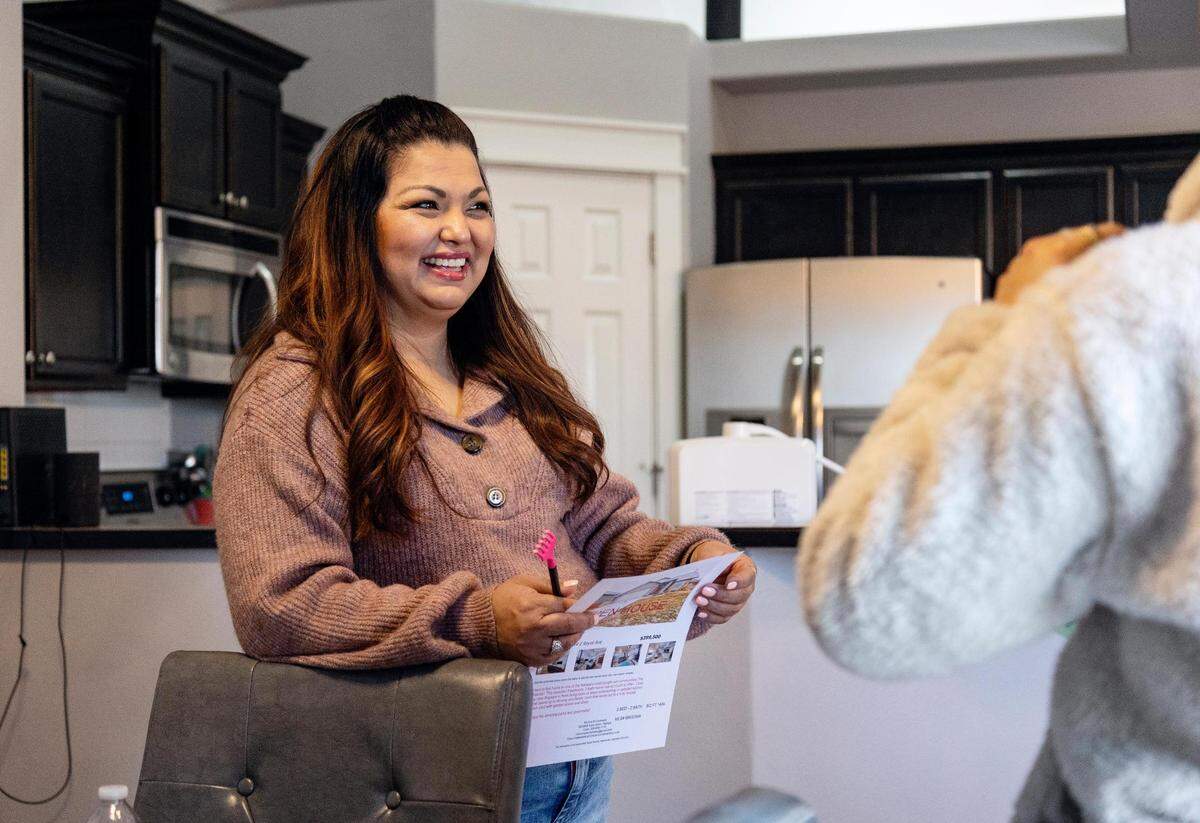
Diego Ayala was born in Mexico and learned English from his wife and three daughters. He is a fluent English speaker now, but he said there are some words he understands best in Spanish. Since he handles most of the finances for the family, the couple said it was nice to have people who speak Spanish to work with.
“It helps him a lot for them to know Spanish,” Anabel Ayala said. “Whatever he doesn’t understand, they can pick it up in Spanish.”
Latino clientele grows for real estate agents
Nationwide, Latinos added 657,000 owner households between 2019 and 2021, the National Association of Hispanic Real Estate Professionals report said.
Both Coronado and Martinez said they have seen an increase in the number of Latino clients in the last year.
“I have seen a significant jump from (2020) compared to 2021,” Coronado said in an interview. “Even with the pandemic, I think it made people want to get educated about buying a home, or maybe they wanted to sell.”
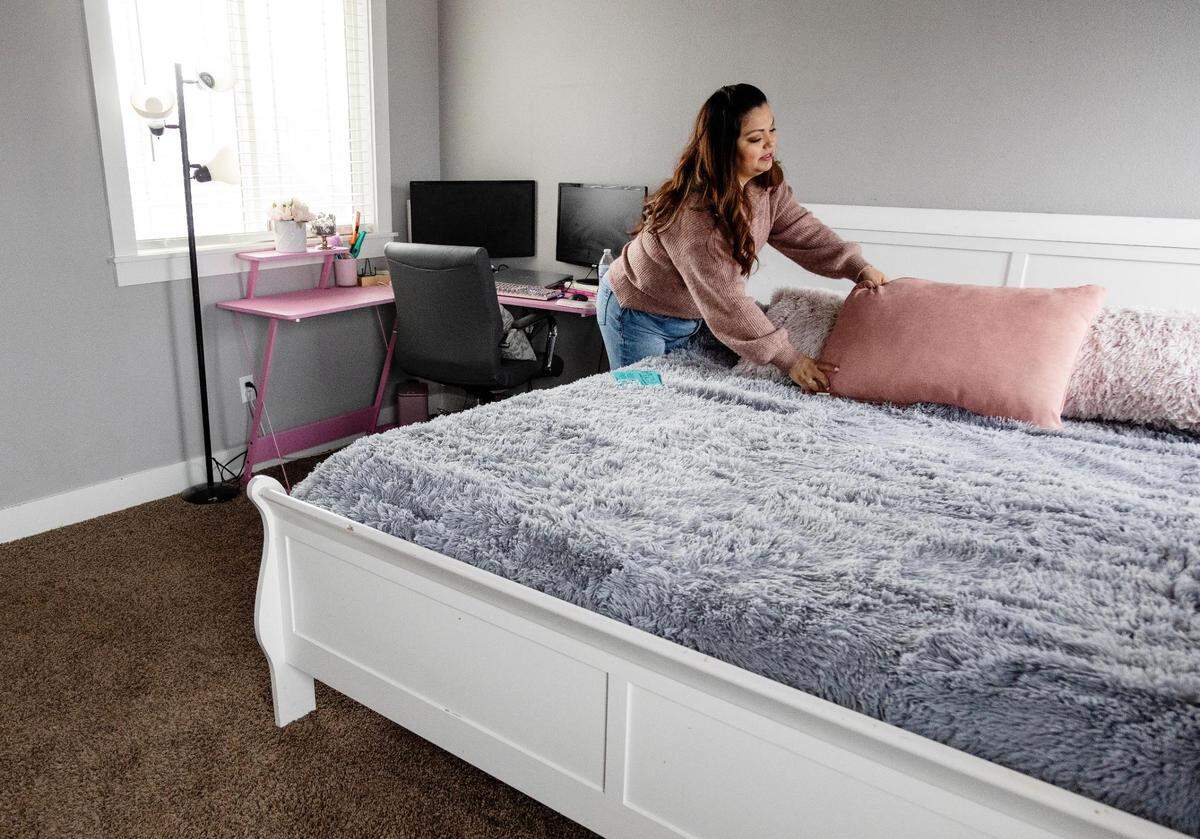
Coronado attributes the increase to people relocating to the Treasure Valley from other states. She also said education about different loan opportunities is improving.
“They are becoming more knowledgeable about what is out there for them,” Coronado said.
Martinez said Latinos are gaining better employment, and wages may be slowly increasing.
“I feel like rent has gone up, and people realize you are better off paying off your home and having a mortgage than renting for the same price,” Martinez said.
The Ayalas expect to begin to move into their new home next month. For now, they get to dwell on how far they have come.
“It feels good,” Diego Ayala said. “Whatever happens tomorrow, today we have to try to make our dreams come true. It is hard work, but it is worth it.”
This story was originally published April 3, 2022 at 4:00 AM.