Stadium developers asked Boise auditorium district for money. They just got this reply
The developers of a proposed $400 million stadium, housing and commercial project on the Expo Idaho grounds met with the Greater Boise Auditorium District board two weeks ago. They wanted money. They wanted to sound out the district about using some of its cash to help pay for the project.
This week, the developers got their answer: No. At least not yet.
The district isn’t prepared to provide partial funding toward the new stadium for the Boise Hawks or any other project in the near future, its executive director said Thursday.
The district’s board decided at a special meeting Tuesday to wait until local convention business and hotel occupancy rebound from the coronavirus downturn before the district commits cash to any development projects.
The district had expected to collect $9 million this year from convention revenue and its 5% tax on hotel rooms, but is likely to end up with half that, Pat Rice, the executive director, said by phone. Next year, Rice said, the district expects to collect about $4 million.
“There’s no way to take on an additional project, regardless of what that project is,” Rice said. “The availability of funds just doesn’t exist right now. And we need to protect our cash, at least for the foreseeable future.”
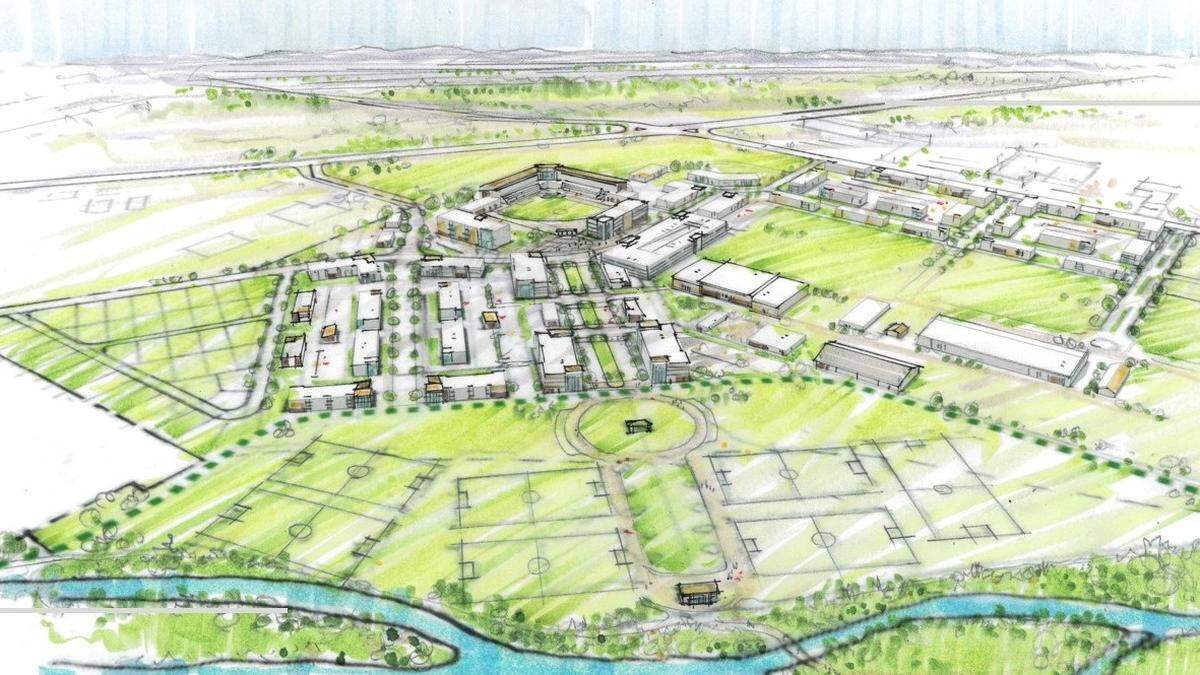
Greenstone, Ahlquist partners
The developers say they aren’t surprised. They say they realize that the district must wait. The proposed development is only an idea, but it’s the only major one floated publicly so far. A citizens committee appointed by the Ada County Commission is considering options for the county-owned site’s future.
Last month, the owners of the Hawks minor league baseball team, Agon Sports; its sister company, the Greenstone Properties development firm in Atlanta; and Ball Ventures Ahlquist, a Meridian developer, floated the plan to redevelop Expo Idaho, site of the Ada County Fairgrounds.
Their plan would include a stadium for the Hawks and professional soccer, multifamily and single-family homes, a hotel, office buildings, restaurants, stores and a parking deck. The county would retain the Western Idaho Fairgrounds.
This is the third time Greenstone has proposed to build a new stadium and associated development in the Boise area. Its first two proposals, on sites south and west of downtown Boise, went nowhere.
For its latest proposal, Greenstone teamed up with a local firm, Ball Ventures Ahlquist, known best for its CEO, Tommy Ahlquist, a physician, developer and unsuccessful candidate for governor in the 2018 Republican primary.
The developers acknowledged that they are interested in having the auditorium district fund a portion of the estimated $45 million stadium cost. State law allows the district both to build and maintain sports arenas.
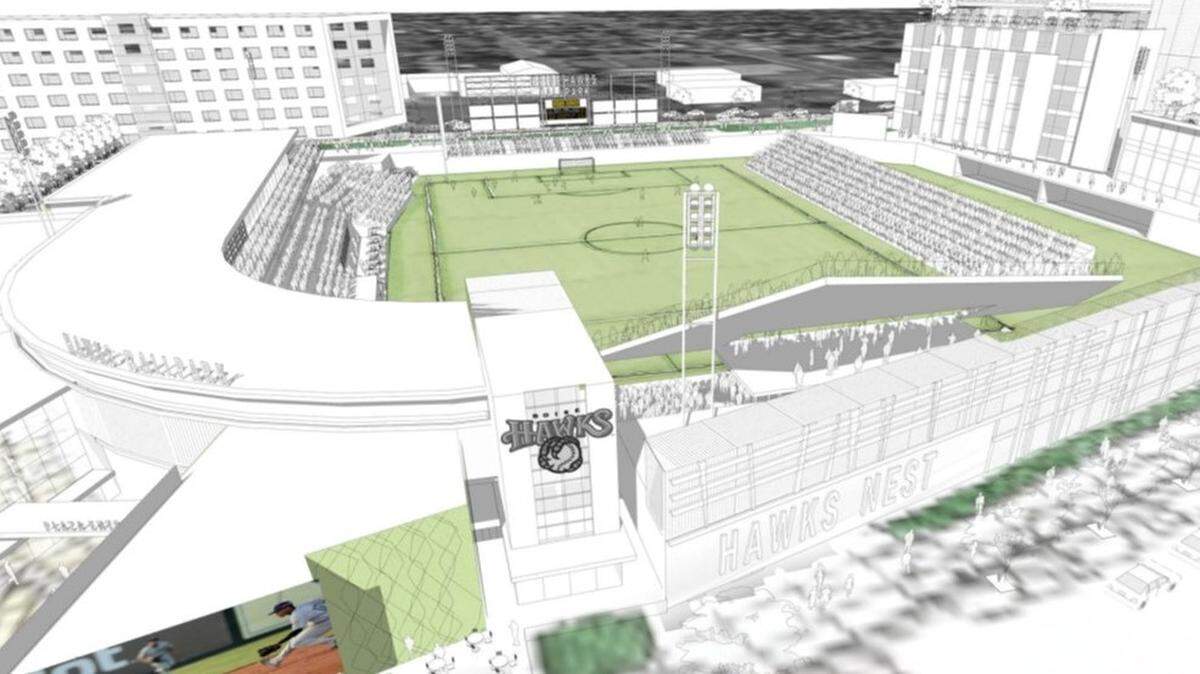
Developers seek community support
The auditorium board decision isn’t a barrier to the project, Ahlquist said. It was one of many options the developers are looking at to finance the project.
“This is a project that will take years, and this is the first round,” Ahlquist said by phone. “We’ve been clear from the beginning that we’re in the vision stage, and we want the community and all parties involved to know what the vision could be for the project.”
Jeff Eiseman, president of Agon Sports, said he understands the auditorium district, like all businesses, is trying to recover from the coronavirus pandemic. He wasn’t surprised that the district isn’t able to make a commitment to any project right now.
“We anticipated the involvement of the auditorium district wouldn’t be until things are restored,” Eiseman said by phone. “What we’re seeking right now is community support from key stakeholders, nonbinding memorandums of understanding that we can show to baseball that there is a public will to figure this out.”
Major League Baseball has proposed cutting 40 of the nation’s 160 minor league teams and eliminating some lower leagues. Two Northwest League teams, Salem, Oregon, and Tri-Cities, Washington, have been named as candidates for the chopping block.
Boise, which plays in the same short-season Class A league as those teams, might also be considered for elimination unless a new stadium that can hold more than Memorial Stadium’s 3,452-person capacity is built.
The developers met with the auditorium district board in late August but have not made an actual proposal, Eiseman and Rice said. That would have come later, and it still could, once the district’s revenues return to prepandemic levels, Eiseman said.
Rice said: “When we start hitting that $750,000 or $800,000 a month room tax level again, that’s when the district will be in a position to start talking to you-know-whoever.” He noted that the district has taken no position on the fairgrounds proposal.
Ada County is in the early stages of deciding what to do with the site at Chinden Boulevard and Glenwood Street, which lies within Garden City but is owned by the county.
The Expo Idaho Citizens Advisory Committee was established earlier this year to make recommendations to the county commissioners on the best use.
Last week, the committee heard from “key informants,” people with existing ties to the property. They included officials from Garden City and Ada County, representatives of the auditorium district and Eiseman.
The committee said it wasn’t ready to hear specific proposals for the property. The committee co-chairs said they want to get a better feel from the public about what’s desired for the 243-acre property before hearing detailed proposals.
“We know this project isn’t going to be easy, nor are we believing it will be shovel-ready before the first of the year,” Eiseman said.
The Boise Guardian first reported on the action taken by the auditorium district.
This story was originally published September 3, 2020 at 5:54 PM.