
Idaho faith: Jews can’t combat antisemitism alone. It takes everyone denouncing hate
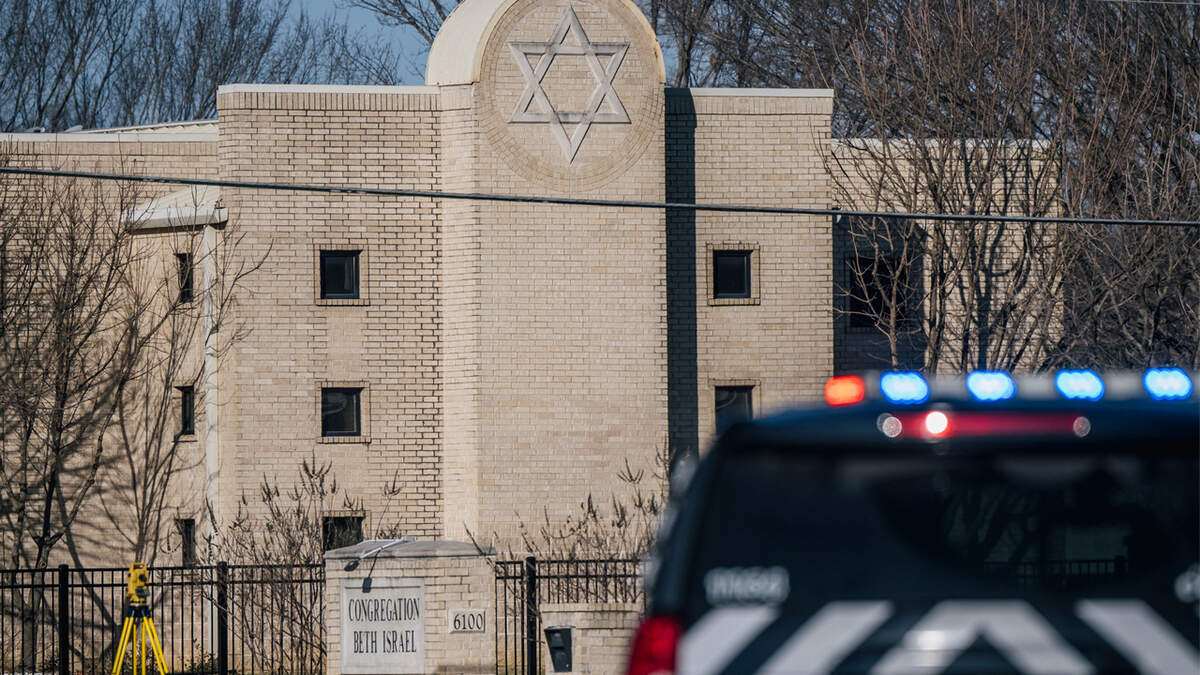
During last month’s hostage crisis at a Texas synagogue, Jews across America nervously thought, “There but for the grace of God go I.”
When the rabbi and congregants bravely escaped, we breathed a collective sigh of relief. But our anxiety persists.
Alas, for Jews today, just going to services is an act of courage. We know the epidemic of violent anti-Jewish hate will erupt again. It could happen anywhere — including here in Idaho. To proactively fight antisemitism, we must reckon with what it is, where it comes from and what we can do about it. What follows are my brief reflections on those questions.
I believe the clearest definition of antisemitism is prejudice, hatred or violence against Jews as Jews. Like other forms of oppression, antisemitism draws on ugly stereotypes and disinformation. The scapegoating of Jews often invokes conspiracy theories that falsely accuse us of greed, malevolence and disloyalty. These tropes date back centuries, promulgated by both medieval Christian and modern secular regimes. Unlike most expressions of bigotry, antisemitism employs a myth of Jewish power to blame us for all manner of the world’s woes.
This helps explain why antisemitism has always come from both sides of the political spectrum. Historically, fascist anti-Semites castigated Jews as dangerous communist radicals at the same time Marxist revolutionaries derided us as capitalistic oligarchs. Today, too, antisemitism thrives on both the extreme right and far left, as well as among radical Islamists such as the alleged Colleyville gunman.
On the right, antisemitism is inextricably bound with white supremacy; by way of example, consider the Klan members, neo-Nazis and militia groups that marched in Charlottesville chanting, “Jews will not replace us!” I believe that here in Idaho, this form of antisemitism poses the greatest threat.
Idaho is home to numerous rogue groups whose extreme anti-government views often veer into classic anti-Jewish conspiracies — and too many of our state politicians court such groups as their political base. The fact that most of these folks are armed to the teeth heightens our wariness of them.
On the left, antisemitism usually comes in the guise of anti-capitalism and anti-Zionism. To clarify: The problem is not opposing capitalism, but exploiting anti-Semitic stereotypes around Jews and money. So, too, there is no inherent problem with criticizing Israel and its government. Israelis and American Jews do so frequently, just as we critique our own government when we disapprove of its actions.
Anti-Zionist rhetoric crosses the line into antisemitism when, in the words of Natan Sharansky, “it delegitimizes or denies the Jewish people’s right to self-determination; demonizes Jews by portraying them as evil or blowing Israel’s actions out of sensible proportion; or holds Israel to a double standard.”
This kind of anti-Zionism also draws on historical anti-Jewish stereotypes. Examples of anti-capitalist and anti-Zionist antisemitism would include both Rep. Ilhan Omar’s suggestion that American-Jewish support for Israel is “all about the Benjamins” and instances where some college campuses and progressive groups effectively silence even liberal Zionist perspectives.
Finally, antisemitism plays a crucial role in radical Islamist ideology. I hasten to note that in most American communities — including Colleyville and here in Boise — Jews and Muslims maintain strong, friendly ties and work closely together. Islamist extremists, by contrast, employ the same antisemitic tropes that we’ve already seen, demonizing Jews as powerful perpetrators of evil conspiracies.
Many blame Jews for 9/11, and it is no coincidence that the Texas gunman targeted a synagogue because he absurdly believed that Jews had the authority to free, with a single phone call, a notorious federal prisoner convicted of murdering American soldiers.
This brings me to the critical question: How do we combat antisemitism? For one, recognize and speak out against it — especially when it is coming from your side of the political spectrum.
Liberals and Muslims are appropriately quick to condemn the hateful anti-Jewish acts of those on the extreme right, as in Pittsburgh and Poway, California, but can be reluctant to address the antisemitism of some progressives and Islamists. Meanwhile, conservatives who are vigilant about radical leftist and Islamist antisemitism too often turn a blind eye when the perpetrators come from the far fringes of their own party. Our challenge is to acknowledge and unequivocally condemn the anti-Jewish bigotry within our own chosen communities.
To turn back the rising tide of antisemitism, we ask for your partnership, to join together with courage and integrity to make our community safe for the Jewish community, and for all of us.