
Don’t go out of your mind growing gourds in Idaho: Just follow these gardening steps
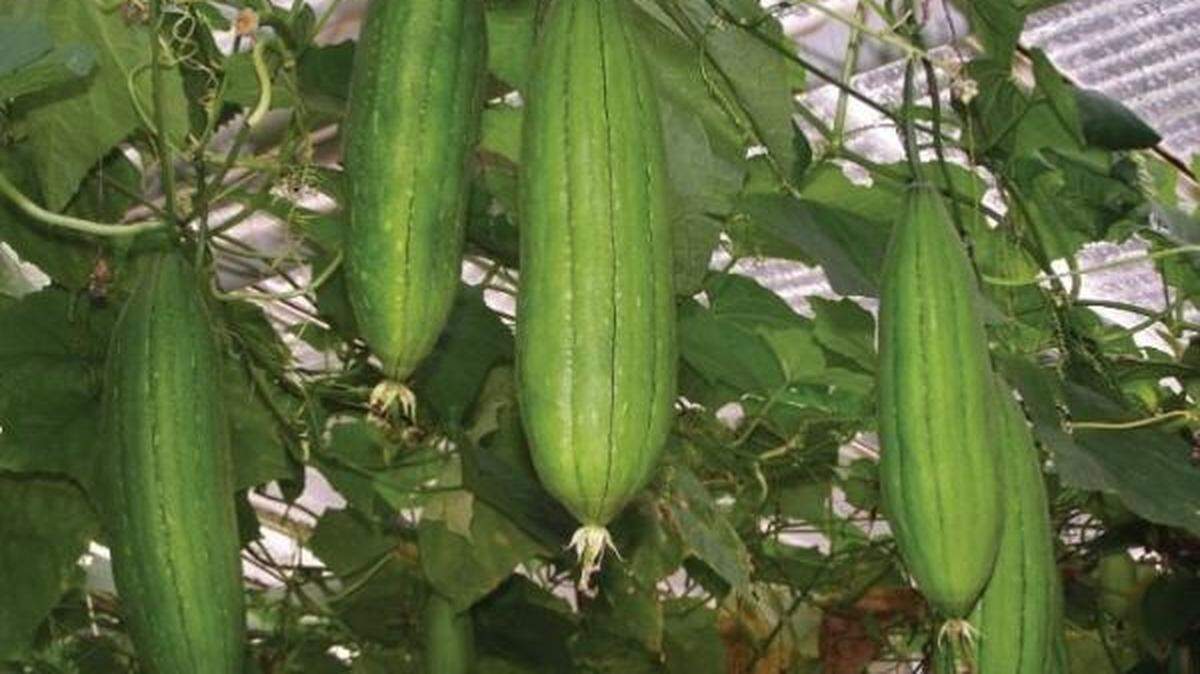
Every year, the Art in the Park show in Julia Davis Park has some vendors selling large gourds, beautifully decorated as if they were clay pots. Some of us try to grow our own gourds, but find the rinds are too thin to handle like those crafted for the show. There are some things we can’t improve, but other things we can do to turn out a better product. Those grown in warmer climates, for example, have a longer growing season, and that’s not changeable by Treasure Valley gardeners. But we can start seeds indoors and transplant out, extending the season a few days or weeks.
The thing we can do to get thicker rinds is to wait until after frost kills the vines before we harvest gourds, according to Carolyn Frazier of the Idaho Gourd Society. Most of us think the gourd will be damaged by frost. She advises that we let the vine die, leaving the gourd to sit out in rain, frost, snow and ice. If you insist on picking it, then pick it after the vine has died, and put it somewhere to dry and cure where you won’t be bothered by the ensuing stench.
There are fundamentally three kinds: the white-flowered gourds (Lagenaria), and the yellow-flowering Luffa and Cucurbita genera. Those belonging to the hard-shelled Lagenaria genus have white flowers and are pollinated at night by moths. These include the bottle, birdhouse, bushel and other hardshell species used for crafting into musical instruments, food containers, birdhouses, etc. Those belonging to the Cucurbita and Luffa genera have yellow flowers that are pollinated in the daytime. The Cucurbita gourds, usually small ornamentals, are generally shorter-lived ornamentals.
There are edible gourds in all three species. The Lagenaria siceraria, known as the “Hercules war club,” has seeds and flesh that are edible when picked young. Some Italian women are said to be able to build a full meal using only one of them. A yellow-blossomed gourd, Luffa aegyptiaca or Luffa acutangular, may be eaten when picked young, or you can let it age and cure it, and then use it as a bath sponge. Growing Luffa gourds look like giant okra pods. Some other gourds are also edible when picked young.
But first you’ve got to grow gourds, and it might become an obsession. About four to six weeks before the last frost, start seeds indoors. Our last frost is usually around May 10, but June 1 is safer to avoid late frost, so aim for April to start seeds indoors. They’re touchy about transplanting, so many gourd growers prefer to start them in peat pots rather than plastic starter pots.
If your only growing light is the sun on a windowsill, turn the seedling every day to discourage a permanent lean, or use an electric grow light. If you don’t have one, talk to the folks at Grover’s Pay ‘n’ Pack. They’re experts on grow light necessities. It may be as simple as an ordinary fluorescent work light, bulbs placed quite near the seedlings.
To germinate, scarify by clipping “shoulders” off seeds and wrap in damp paper towels, then seal in a ziplock bag. Put in a warm place such as on a radiator, on top of the water heater or atop the refrigerator. Check often for sprouting, and when that happens, plant carefully in a good potting mix (no soil), and place on a plant heat pad. Don’t use a heating pad made for human use, because they’re not made for daylong heating.
Some folks use waterbed heaters, heated dog beds or sow-farrowing heat mats. Harden off or acclimate seedlings with four true leaves at least by gradually exposing them to full sun and breezes for a number of days. Plant out after the last expected frost in a site with full sun exposure (at least six hours daily).
Once you’ve dug a hole about a foot deep, fill it with good compost or aged manure mixed with soil, and mound it into a hill for good drainage and ventilation. Gourds prefer an acidic soil pH 6.0-6.5. Our soil is normally alkaline, requiring generous input of organic materials to get it down to neutral, 7.0, so you may want to amend your soil before sowing. You can further reduce your soil’s alkalinity by incorporating peat moss or a little sulfur (careful, too much will cause problems).
You could add a bit of gypsum (calcium sulfate) to your soil, acidifying it to some extent and providing more calcium, too. Calcium is always valuable in strengthening cell walls of fruit (in this case, gourds). Sow outdoors, seeds on edge (that is, not flat) about one knuckle deep, in hills 3 feet apart, about five seeds to a hill.
Either provide a fence or trellis for the vine to grow on, or be prepared to cushion your gourds lying on the soil. When gourd vines grow several feet long, prune off the growing tip to encourage branching toward the root base. This branching will encourage female flowers that will result in gourds. If you’re providing a trellis for these vigorous vines to climb, you may have to fashion hammocks for heavy gourds, but if the vines sprawl and gourds form on soil, you should slide something like a wood shingle under the gourd to prevent rot and critter damage.
And don’t be concerned about an autumn frost. Many other plants in a garden need TLC at that time.
This story was originally published February 29, 2020 at 7:00 AM.