
What to know about measles as Idaho’s epidemiologist warns cases could arrive
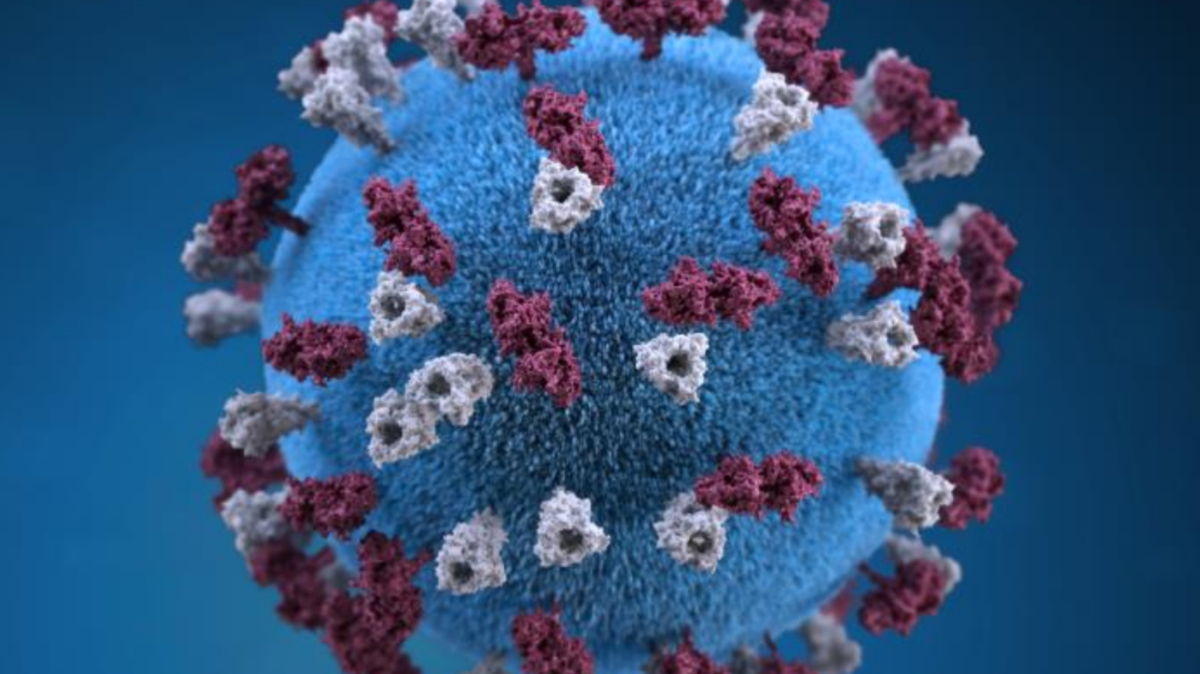
Idaho’s state epidemiologist said recently that she’s “concerned” that the Gem State could start to see measles cases.
While no measles cases have been reported in Idaho yet this year, summer travel season is approaching and surrounding states like Washington have been reporting cases. In an April 28 statement, Idaho state epidemiologist Dr. Christine Hahn expressed the need to think ahead as domestic and international travelers visit local communities.
“As Idahoans, we value our health, our families, our independence, and our communities,” Hahn, Idaho’s medical director for the Division of Public Health, noted in the statement amid a national surge in reported measles cases. “It’s a good time to consider how we can stay informed and prepared.”
There have been approximately 884 confirmed cases as of April 24, according to the Centers for Disease Control and Prevention. That’s more than three times as many cases as were reported last year with 285 cases by December.
The largest portion of cases reside in Texas, which reported 663 cases by Tuesday, April 29 and most cases (93%) are outbreak associated, according to the CDC.
Despite a majority of cases appearing far south of Idaho, there is cause for concern in our region.
Neighboring state Montana reported a total of seven cases on April 29, and Washington reported a total of five cases on April 22.
Measles vaccine
Hahn’s statement on measles includes a reminder that “vaccination remains the surest way to prevent the disease.”
The two-dose measles mumps and rubella (MMR) vaccine is widely available. The first dose of the vaccine is recommended for children between the ages of 12 and 15 months and the second dose is recommended between the ages of 4 and 6 years. Two doses of the vaccine are 97% effective and one dose is 93% effective at preventing measles, according to the CDC. The two MMR doses are considered full immunization for life, and no additional vaccination is needed.
For the 2023-2024 school year, the CDC found that Idaho had the lowest measles vaccination rate among kindergarten-age children, at 79.6%. State law allows for vaccine exemptions for medical, religious or personal reasons and in that year 14.3% of kindergartners were exempt from at least one of the vaccines — a 2.2 percentage-point increase from the 2022-2023 year.
According to the American Academy of Pediatrics, the community immunity threshold for measles — the percentage of a population that needs immunity in order to prevent the disease from significantly spreading — is between 92% and 94%.
The CDC’s Advisory Committee on Immunization Practices urges those without evidence of presumptive immunity to be vaccinated. Presumptive immunity can be the following:
- Written documentation of adequate vaccines for measles, mumps, and rubella
- Laboratory evidence of immunity
- Laboratory confirmation of disease
- Birth before 1957
Prior to the vaccine, over 1,000 cases were reported in Idaho most years in the 1950s, but that number has significantly dropped since the 1960s, according to Hahn. In more recent years, outside of 2023, no cases had been reported in the state.
“Historically, vaccination has played a crucial role in preventing measles, eliminating it from circulating in the U.S. by the early 2000s,” Hahn stated. “However, cases have jumped in 2024 and increased even further in 2025.”
Measles symptoms
The CDC characterizes measles by the following symptoms:
Measles symptoms appear 7 to 14 days after contact with the virus. Symptoms start with: high fever, cough, runny nose and watery eyes.
Symptoms 2-3 days after onset: Tiny white spots (Koplik spots) may appear inside the mouth.
Symptoms 3-5 days after onset: The measles rash will start to appear usually beginning as flat red spots that appear on the face at the hairline, later spreading downward to the neck, trunk, arms, legs and feet.
Measles can cause severe complications, especially for children or vulnerable adults. Statistics from the CDC found that about 1 in 5 people who are not vaccinated become hospitalized and 1 in 20 children contract pneumonia. The CDC statistics also warn that measles can be especially dangerous for children, with nearly 1 to 3 of every 1,000 children infected dying from complications.
So far in 2025 the CDC reported that 11% of cases have been hospitalized and 3 people have died
To stay informed about measles, you can find information through the Centers for Disease Control and Prevention (CDC) at www.cdc.gov/measles and the Idaho Department of Health and Welfare at www.healthandwelfare.idaho.gov.