
Boise food trucks can’t rally — ‘scramble’ instead. Contactless intercom ordering?
Less than two weeks ago, Melt food truck owner-chef Mark Turnbow was serving gourmet grilled-cheese sandwiches to salivating Boise customers.
Then came the meltdown.
Food trucks across the Treasure Valley were forced to shift gears because of the coronavirus pandemic.
“Business isn’t good,” Turnbow said Tuesday, sounding upbeat nonetheless. “All events have been canceled. We’re trying to quarantine and stay safe and do all the right things.”
With Idahoans staying home and social distancing, there’s now plenty of open road but nowhere for food trucks to go — with gasoline prices falling, to boot. Food truck rallies, where several trucks park in a single location, aren’t feasible anymore because of COVID-19 precautions.
Owners are just trying to figure out how to respond, said Sid Gauby, president of the Southern Idaho Food Truck Association (SIFTA).
“The hardest part is that most of our food trucks are location-based,” said Gauby, who owns the Slow River Coffee truck. “So a lot of our lunches are set at office parks or business areas, and those are shut down.”
Turnbow, who oversees the Boise Food Trucks page on Facebook, switched to orders with home delivery last week. For a minimum order of $30, Melt will create and transport prepared meals — from delicious sandwiches to scratch-made tomato-basil soup — that customers can heat with their own ovens. All that’s required is 24 hours notice.
Despite that, Melt’s overall business has plummeted about 95 percent, Turnbow said: “Completely.”
Some food trucks are trying taking orders and offering evening pickups, Gauby said. “A lot of them are set up at different breweries or neighborhood locations, and people are calling ahead and ordering and saying, ‘OK, we want a family four-pack or whatever it might be. And we’ll pick it up and take it home and have it that way.’ ”
Customers craving a particular truck’s menu can use the free Street Food Finder app and website. Occasional food truck updates also are posted on the SIFTA Facebook page. Gauby hopes to create a list of trucks with their latest menus and service policies at some point. “We’re all trying to scramble on our own and trying to pull that together,” he said.
Not all food trucks have seen business grind to a near-halt. The Kilted Cod, which operates trucks in Boise and Nampa, has been insulated because of regular locations and a loyal customer base.
“I’m not an event-based truck,” co-owner Kevin McIntosh said. “Every Thursday, I’m out in Kuna at Les Schwab ... Every Friday I’m at Journey Church at Maple Grove and Overland. And then Saturday, I’m at Lowe’s in Meridian. All those three spots have been very consistent. We do float around, and we have had a few cancellations. But they’ve all rescheduled.”
With more than 5,000 followers on Facebook, The Kilted Cod has “loyal customers,” said Kathy McIntosh, Kevin’s wife. Serving fish during Lent doesn’t hurt, either.
“I think people in these times, when things are uncertain, are looking for something familiar,” she said. “Having that food truck there — where it’s always been on Saturday afternoon or Friday afternoon — gives people a sense of calmness and, ‘OK, there are still things out there that are just the same.’ ”
Still, much is different. Gauby put out a call on Facebook offering SIFTA food trucks to organizations wanting to feed their essential workforces during the coronavirus crisis. A selling point that SIFTA promotes is cleanliness. Traditional restaurants have more challenges when it comes to COVID-19 precautions, Gauby and Turnbow said.
“Whereas a brick and mortar, you might have 10 people working to get out meals — from the order takers to the back of the kitchen to everything else — we’ll have maybe two, three at the most people on our trucks,” Gauby said. “And so we can really limit the potential transmission point that people are looking for right now. ... Because we are small, we can focus on the potential transmission risk and sterilize.”
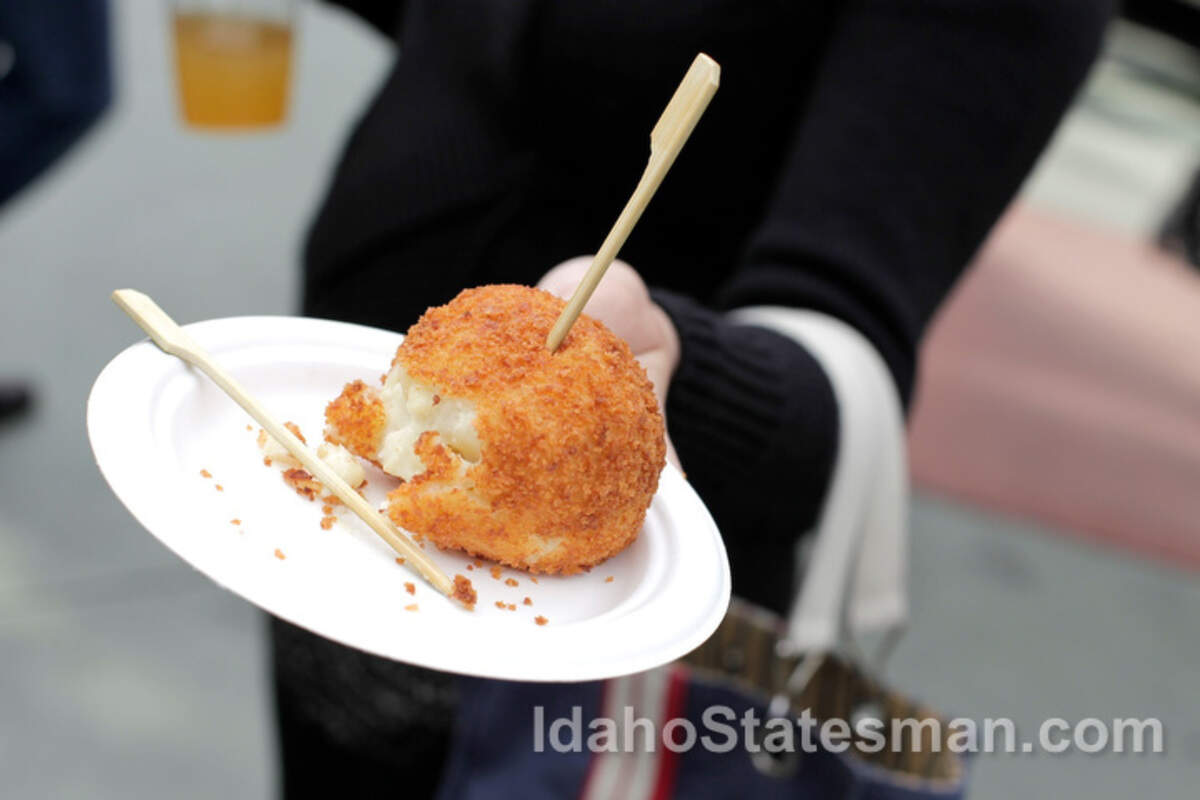
Turnbow is creating a contactless system for ordering from the Melt truck, he said. It will use an intercom. The window stays closed during ordering, so customers won’t have to speak face-to-face with anyone.
“There’s never any contact or breathable air,” he said. “That’s something that I’m actually starting this weekend.”
Will diners buy into food-truck safety? Or care about it when the pandemic passes?
It’s one of many questions that food truck owners face.
“All we know is that next year, things will look very different than they do today,” Gauby said. “Whether or not there will be more trucks out there and people will have responded to say, ‘Hey, you fill a need that we really are looking for right now,’ or they’ll just give up on us completely and people won’t be able to open the doors next year — we just don’t know. That’s the scariest part for folks, the uncertainty.”
This story was originally published March 24, 2020 at 12:01 PM.