Children’s author Beverly Cleary made reading fun for this Idaho Statesman reporter
As the day turned into night when I was a student at the University of Oregon in Eugene, I would sometimes tell my friends to turn on the dawnzer.
From the uninitiated, I invariably got a blank stare. It was the same thing at Duck basketball games when I said it was nearly time for the dawnzer song. They had no idea what I was talking about.
Those episodes took me back to my childhood, when Ramona the Pest, Henry Huggins and Ribsy the dog were among my favorite book companions.
They, of course, were the creations of author Beverly Cleary, who died Thursday at age 104 in Carmel, California. Her stories, which tackled problems, curiosities and adventures that all kids experience, have connected with generations of young readers.
In “Ramona the Pest,” published in 1968, when I was 7 and just a couple of years older than Ramona, the mop-headed kindergarten girl tried out a new word she had learned in school. Her mother mentioned that Ramona’s older sister Beezus didn’t have very good light for reading her book, and Ramona offered a suggestion.
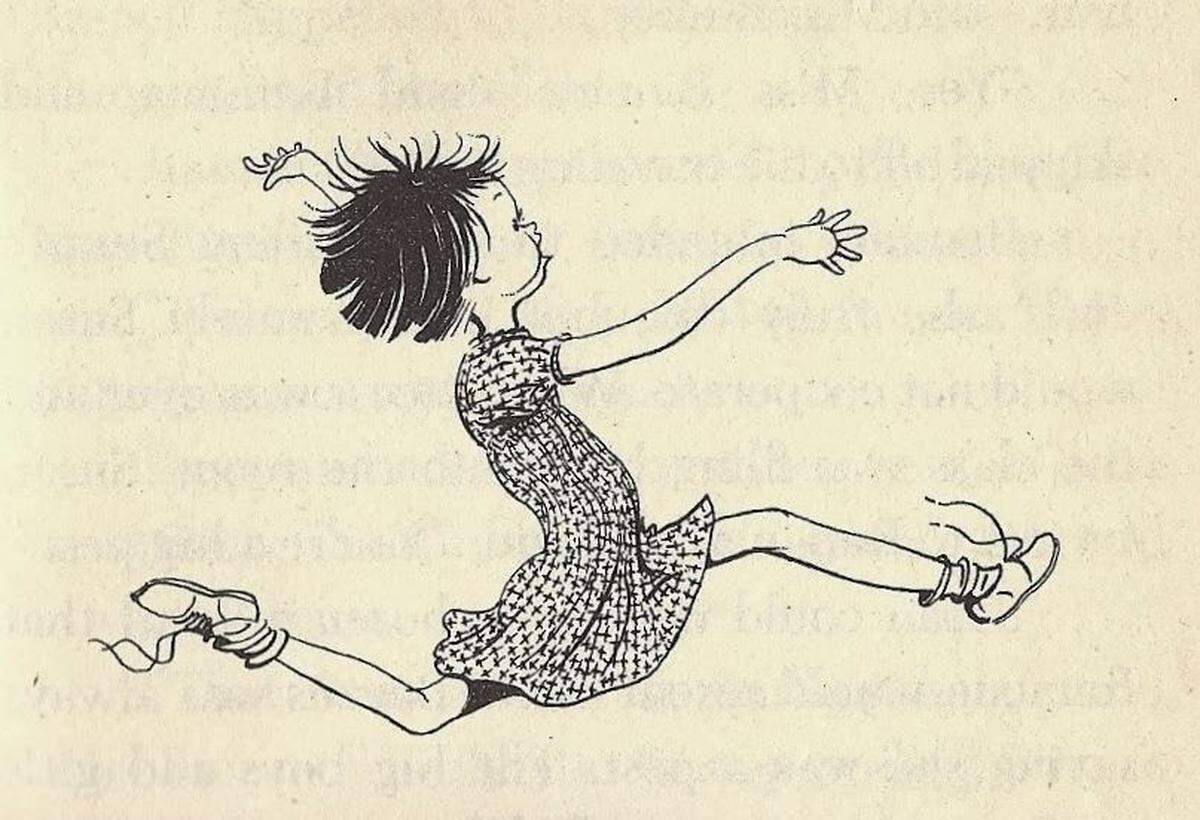
“Why don’t you turn on the dawnzer?”’ she asked, proud of her new word.
Beezus looked up from her book. “What are you talking about?” she asked Ramona. “What’s a dawnzer?”
Ramona was scornful. “Silly. Everybody knows what a dawnzer is.”
“I don’t,” said Mr. Quimby, who had been reading the evening paper. “What is a dawnzer?”
“A lamp,” said Ramona. “It gives a lee light. We sing about it every morning in kindergarten.”
A puzzled silence fell over the family before Beezus figured out Ramona was talking about “The Star -Spangled Banner” and “the dawn’s early light” — dawnzer. Their parents tried to keep from laughing out loud.
Unlike Ramona, who was embarrassed to learn she had misheard the lyrics of the National Anthem, I delighted in baffling people who weren’t familiar with a dawnzer.
When I was in my 20s, I was walking my college friend Paul’s dog through his neighborhood in Northeast Portland when we passed Klickitat Street. Klickitat. Somewhere I knew that name.
It took me 10 minutes before a host of childhood memories flooded my mind: Klickitat Street is where Ramona and Beezus Quimby and Henry Huggins lived.
I never realized that all those stories — “Henry Huggins,” the first in the series, published in 1950, “Ramona the Pest,” “Henry and the Paper Route,” “Ribsy” and the rest — took place in the Grant Park neighborhood, a few blocks from Cleary’s childhood home on Northeast 37th Street.
Ramona bought her red rain boots from the Colossal Market at the corner of Northeast 41st Avenue and Tillamook Street, now a Rite-Aid store. The shop was the original Fred Meyer store.
Henry Huggins delivered newspapers for the evening Oregon Journal, the same paper my dad delivered in the shadow of Mount Scott in East Portland. Ramona and the other kids attended school at Glenwood Elementary School, the real-life Fernwood Grammar School now named for Cleary.
They also played at Grant Park, located next to U.S. Grant High School, where Cleary graduated. The park is home to the Beverly Cleary Sculpture Garden, where bronze statues of Ramona, Henry and Ribsy are part of a splash pad. I attended the 1995 dedication, where Cleary spoke.
The nonprofit Friends of Henry and Ramona, formed to collect the $150,000 needed for the fountain project, received donations from residents of all 50 states and Canada. That day, Cleary recalled why she chose Klickitat Street — named after a Pacific Northwest Native American tribe — for the setting of her books.
“It reminded me of the sound of knitting needles,” she said.
Powell’s Books, the iconic Portland bookseller, for many years gave away a walking guide to Ramona’s neighborhood.
For years, I’ve given away “Ramona the Pest” and other books to new parents I know. I hope they develop the same love for Cleary’s characters that I did. The accompanying illustrations by Louis Darling in the original books are how I picture each of the characters. It’s getting tougher to find used copies of those books.
I had other childhood book favorites, including Curious George and Babar, which at age 4 I grabbed at a library, brought it home and found I could not read it. It was written in the original French. Reading those books again as an adult, I found they weren’t nearly as good as I remembered them.
Cleary’s books, on the other hand, are just as delightful now as when I was 7.
This story was originally published March 29, 2021 at 11:07 AM.