
Influencer Marketing: Is It Worth It?

Brands have never had more ways to get in front of people. At the same time, they’ve never faced a more distracted audience. Between ad blockers, endless scrolling, and short attention spans, traditional marketing doesn’t always cut it. That’s where influencers come in.
“Influencer marketing can be wildly effective or wildly disappointing,” shared Erin Banta, Co-Founder and CEO of Pepper Home, a company that offers custom curtains. “The difference comes down to choosing the right partner and setting the right expectations.”
Is influencer marketing worth it? That depends on your goals, your audience, and how you approach it. This article will break it all down.
What Is Influencer Marketing?
At its core, influencer marketing is a partnership between a brand and someone with an engaged online following. The goal? Visibility, credibility, and — ideally — conversions. But unlike traditional ads, this strategy leans on social proof and personality-driven content to do the heavy lifting.
“Brands and companies pay influencers to market goods, experiences, and services to their followers,” said Faith Karimi of CNN. “In short, influencing is trying to persuade social media users to buy certain products.”
It spans a wide range of formats, from TikTok tutorials and casual Instagram mentions to long-form YouTube reviews. Some influencers post polished, branded shoots, while others film unboxings in real time from their bedrooms. It’s flexible, visual, and often comes across more like a recommendation than an ad. That’s both the appeal and the challenge.
What Are the Potential Perks of Influencer Marketing?
When done right, influencer marketing can offer benefits traditional advertising can’t touch.
Here are some of the biggest upsides to getting it right:
Built-In Trust
Influencers have something most brands are still trying to earn: trust. Their followers know them, listen to them, and often buy based on their recommendations. When a creator features your product, the message lands differently than if it came from your account.
Influencer marketing feels like advice from a friend, not a brand pitch. That emotional shortcut is hard to replicate in other marketing channels. To get this right, work with influencers who align with your product and values. The more authentic the partnership, the more naturally it will resonate with their audience.
Quality Content
Influencers aren’t merely promoters but content machines. From quick try-ons to thoughtful product breakdowns, they know how to create quality content for their platform and their audience. The best part? That content doesn’t have to live in one place.
“Influencer-generated content tends to feel fresh and unscripted, which is why it outperforms polished ads in a lot of campaigns,” expressed Alan Feit, President at Feit Electric Company, Inc., a company that specializes in LIFX smart light bulbs. “People respond well to what feels familiar.”
Make sure your contracts include content usage rights. Once you have that, repurpose the best clips and images across email, paid media, product pages, and retail displays. This type of content often performs well in retargeting ads and conversion-focused campaigns because it feels real.
Audience Access
Influencers come with built-in communities. Instead of starting from scratch, you’re tapping into an audience that already exists and has already shown interest in certain products. It’s a shortcut to connection.
“Think of an influencer as a trusted host introducing your brand at a dinner party,” suggested Sarah Pierson, Co-Founder of Margaux, a company that offers heeled sandals. “Their audience is more likely to listen because they trust who’s doing the talking.”
Before partnering, ask for insights into the influencer’s audience. Look for overlap in interests, values, or needs. The better the match, the better your results will be.
Fast and Flexible Campaigns
Influencer marketing doesn’t require long lead times or big production budgets. You can move quickly, which makes it a great option for product launches, limited-time offers, or simply filling a content gap. Most creators are used to working fast, especially on platforms like TikTok and Instagram.
“You can brief someone today and see a post go live by the weekend,” added Titania Jordan, CMO of Bark Technologies, a company that provides a safer kids phone called the Bark Phone. “It’s one of the few channels where you can get speed, creativity, and reach without a lot of red tape.”
When time matters, focus on creators you already have a relationship with or those who’ve worked with similar brands. You can even use short campaigns to test messaging and visuals before scaling your efforts to other channels.
Built-In Social Proof
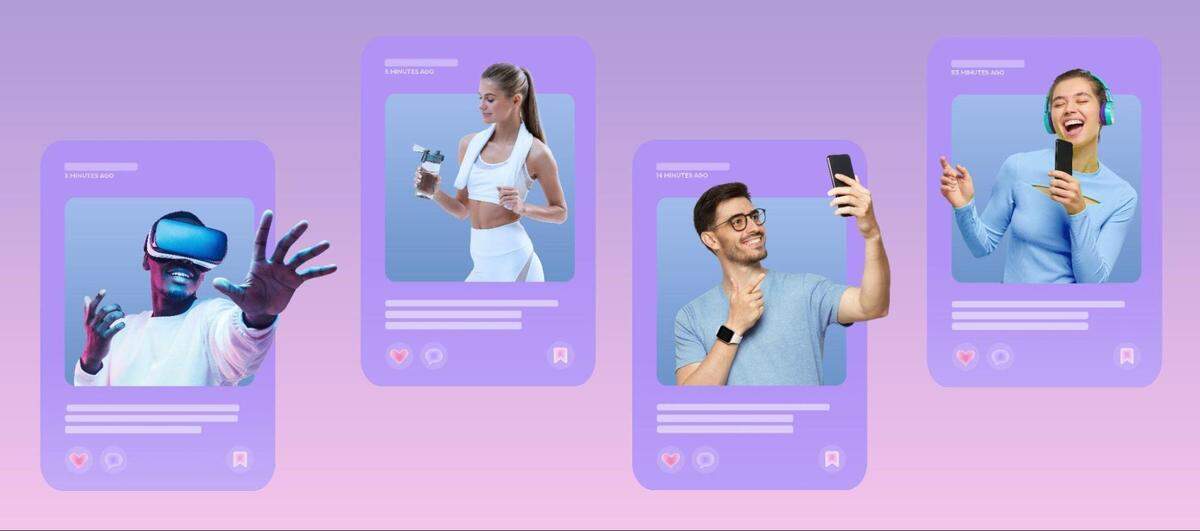
Seeing a real person use a product adds credibility. It helps people picture it in their own lives, especially when it’s shown in context, whether that’s a bathroom shelf, a gym bag, or an everyday routine. The influence doesn’t come from the number of followers but from relatability.
Ask influencers to go beyond product placement. Encourage them to show how they use your product, why they like it, or what surprised them. That’s what makes the post feel real and persuasive.
A Boost in Brand Awareness
Even if an influencer doesn’t drive direct sales right away, they’re still introducing your brand to new people. That exposure matters! In fact, it’s how unfamiliar names become household ones. The more touchpoints someone has with your brand, the more likely they are to buy later.
“The first time someone sees you might not lead to a sale, but it’s planting the seed,” highlighted Justin Soleimani, Co-Founder of Tumble, a company that specializes in washable area rugs. “A few weeks later, they may see you again in an ad or a review, and that’s when they convert.”
To get the most out of this relationship, track engagement and reach. If the influencer’s audience responds with saves, shares, or comments, it’s a sign your brand is starting to stick.
What Are the Risks of Influencer Marketing?
Influencer marketing offers speed, scale, and trust, but it’s not without its challenges. Like any strategy, it comes with trade-offs. Brands diving in without a plan can end up wasting time, budget, or worse, credibility.
Here are a few things to watch for before you hit “send” on that next collab request:
Selecting the Wrong Partner
A mismatched collaboration can do more harm than good. If an influencer’s tone clashes with your brand or if they’ve been part of past controversies, it can lead to confusion or backlash. Followers notice when a promo feels off, and that disconnect can chip away at trust on both sides.
“People remember bad pairings,” underscored Emily Greenfield, Director of Ecommerce at Mac Duggal, a company known for its prom dresses. “If a creator promotes something that doesn’t make sense to their audience, it doesn’t just fall flat. Instead, it reflects poorly on the brand that paid for it.”
As a result, you should do your homework. Check past partnerships, scroll through the comment section, and assess the tone of engagement. Ask yourself: Would this feel natural to their followers?
Unclear ROI
Unlike email or paid ads, influencer marketing doesn’t always produce a direct path from post to purchase. Some results show up later in the form of brand recognition or customer loyalty, which makes short-term ROI harder to pin down.
Without clear benchmarks, brands waste money on campaigns that might feel successful but don’t move the needle. Set expectations early. Measure performance using UTM links, discount codes, or affiliate tracking. When visibility is the goal, pair influencer campaigns with bigger moments like product drops or rebrands rather than relying on isolated promos.
Limited Content Control
Influencers grow their platforms by sounding like themselves, which means they won’t always follow your script. You might get a photo that doesn’t fit your brand or messaging that’s slightly off. Unless revisions are outlined in advance, you’re often stuck with the first draft.
“You can’t hire someone for their voice and then try to rewrite it,” stated Max Baecker, President of American Hartford Gold, a company that helps you buy gold. “When brands micromanage, they lose the authenticity that made influencers valuable in the first place.”
Instead of dictating every word, offer a clear brief: talking points, must-say info, and any compliance needs. Ask for a preview and build in a single round of edits. Most importantly, trust their delivery. That’s what their audience connects with!
Is Influencer Marketing Worth It?
For some businesses, influencers are a shortcut to visibility and connection. For others, the return takes longer to show up. Either way, it’s not a one-size-fits-all channel, and it works best when paired with clear goals and thoughtful execution.
“As we move into a future where younger generations increasingly look to influencers for guidance, brands must adapt,” concluded Charles Nicholls, CEO of SimplicityDX Inc. and Chair of the DX Academy. “Embracing influencer marketing — whether through micro-influencers, innovative content strategies, or affiliate collaborations — can unlock new growth opportunities.”
While this channel isn’t guaranteed, it can be truly powerful when used wisely. Find the right creators, track what matters, and build campaigns that serve your audience. That’s how you make it work and make it worth it.
The information provided in this article is for general informational and educational purposes only. It is not intended as legal, financial, medical, or professional advice. Readers should not rely solely on the content of this article and are encouraged to seek professional advice tailored to their specific circumstances. We disclaim any liability for any loss or damage arising directly or indirectly from the use of, or reliance on, the information presented.
Members of the editorial and news staff of idahostatesman.com were not involved with the creation of this content. All contributor content is reviewed by idahostatesman.com staff.